

A cybersecurity incident tied to school vaccination programs in France’s Auvergne-Rhône-Alpes region has reportedly exposed children’s personal data—including French Social Security numbers—raising alarms for families, according to information published by Cyberattaque.org.
The report puts renewed focus on how medical and administrative information is handled during school-based public health campaigns, where data collection involves minors and schools operating under heavy logistical constraints.
Officials have not publicly clarified the full scope of the exposure or how long the data may have been accessible. But the explicit mention of children’s Social Security numbers elevates the incident into a high-sensitivity category that can require rapid notification, mitigation steps, and tighter access controls.
Cyberattaque.org said the exposure occurred in the context of school vaccination in Auvergne-Rhône-Alpes and included children’s French Social Security numbers. That detail matters because it can turn a privacy breach into a longer-term fraud risk: a national identifier paired with a name and birth date can be used as a foundation for scams even if full medical details were not revealed.
In school settings, files are often assembled to manage appointments, centralize parental consent, schedule vaccination visits, and track follow-up. Those records can include civil status information, contact details for legal guardians, the school a child attends, and details linked to the vaccination itself. Concentrating that information in one place—even temporarily—can increase the potential impact if it is exposed.
One of the most common abuse scenarios involves targeted outreach. Families may receive messages that look like official administrative communications asking for proof, a file update, or a document download. Using a school name, a municipality, or another plausible detail can make these attempts more convincing. If a Social Security number is in the exposed database, it can strengthen the credibility of a fraudulent message even if the scammer doesn’t display the number outright.
The risk can also extend over time. Children’s data can be especially valuable because it is less likely to have been compromised in other breaches and can remain usable for years. In criminal markets, such files can be stored for later use or resold in bulk—raising the stakes for families monitoring communications, document requests, and passwords tied to public services.
How many records were affected remains central to the response. A limited exposure involving a small number of files is handled differently than a full database. But even a smaller incident can still trigger notification duties and corrective actions. Authorities and data controllers will need to specify what was exposed, to whom, and for how long to assess the real risk to minors and their families.
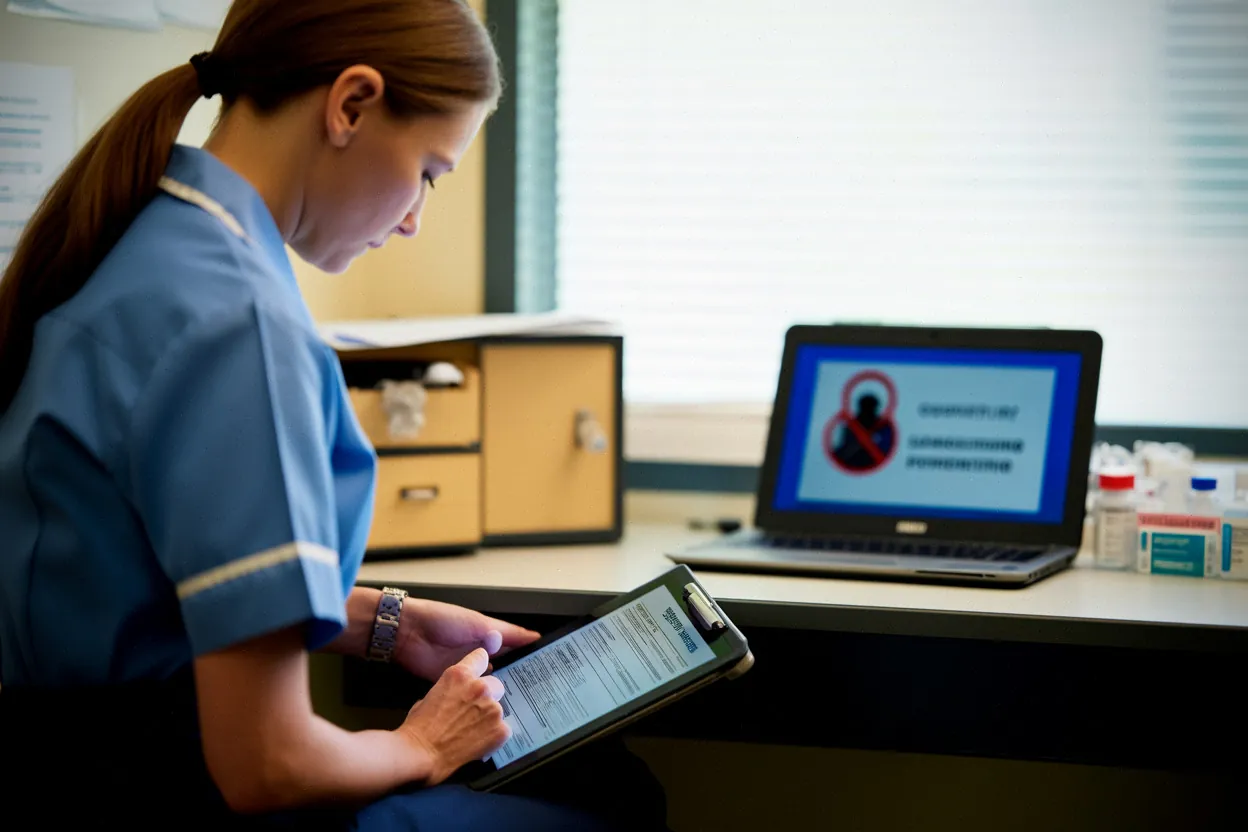
School vaccination files can combine health, identity, and school information
Records used for school vaccination often serve multiple purposes at once: logistics, health tracking, and communication with families. That hybrid role means they may contain details that seem ordinary on their own but become highly identifying when combined. A name, a school, and a national identifier can be enough to build a usable profile even without access to detailed medical content.
Information systems often push toward centralization to save time. But centralization comes with security costs. When a file includes a French Social Security number, the immediate question is whether that identifier is truly necessary for the stated purpose—or whether a temporary internal ID could be used instead. In practice, that kind of data-minimization review can come late, especially when a file template is reused from one campaign to the next.
Data transfers are another vulnerability. Exchanges between schools, health teams, and vendors can happen through email, upload platforms, spreadsheet exports, or printed documents. Each transfer expands the risk surface, particularly when practices vary from one site to another. Effective security depends on simple rules applied consistently—covering storage, encryption, retention periods, and access controls.
The school environment adds its own pressures: frequent staff turnover, shared computers, and intense peak periods. In that context, a reused password, an account left logged in, or a file stored on a poorly configured shared drive can lead to exposure without any sophisticated hacking. Not every incident stems from an advanced intrusion; some are the result of misconfiguration or organizational error.
For families, the impact is also psychological, tied to trust in public health campaigns. When children’s data is involved, even parents who support vaccination can become more hesitant. The response, the article argues, needs to be factual and fast, with concrete steps—clear communication about what data was affected, what fixes were made, and which official channels families should use to reduce rumors and scams.
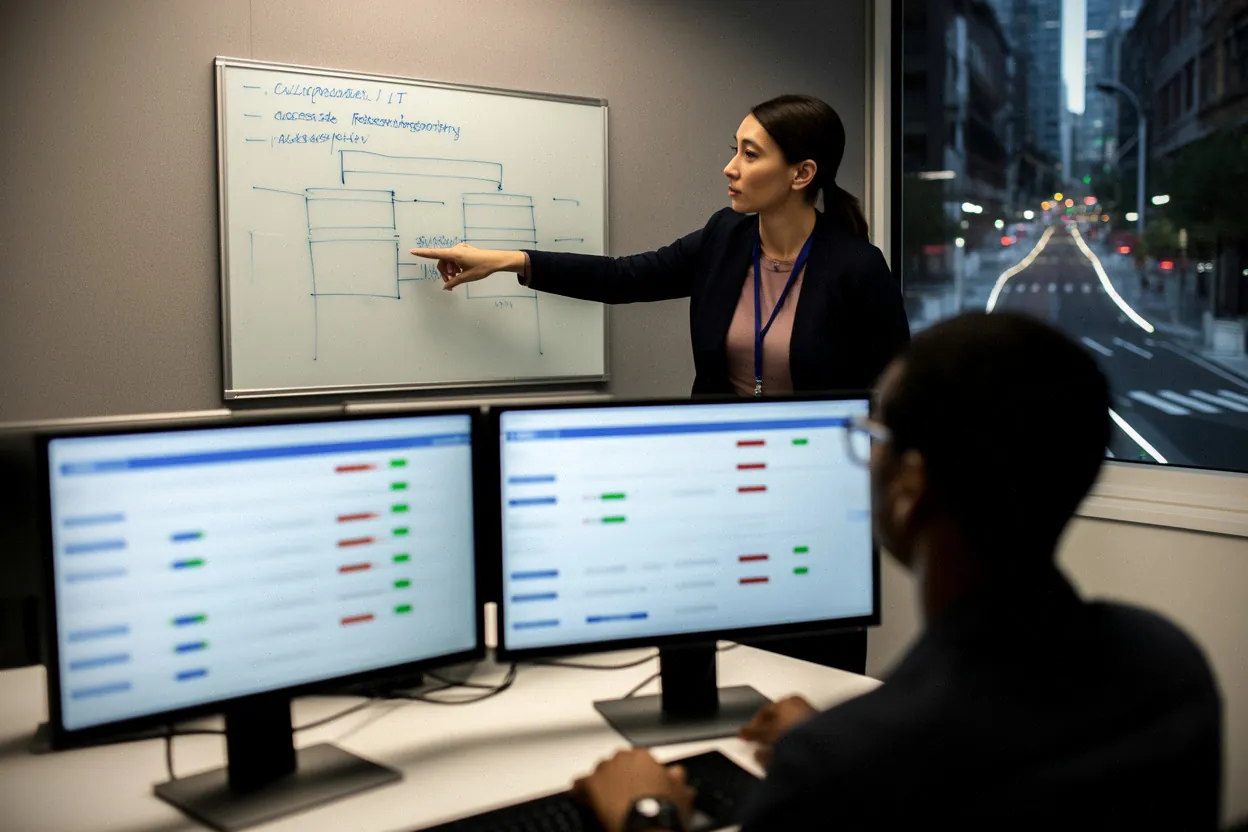
What France’s rules require: notification, CNIL oversight, and breach obligations
When an incident involves sensitive personal data—especially identifiers such as a French Social Security number—the response framework is strict. Data controllers must first classify the type of breach (confidentiality, integrity, or availability) and document what happened. That assessment shapes what comes next: notifying authorities, informing affected people, and taking steps to reduce risk.
In France, the CNIL (the country’s data protection authority, similar in role to a privacy regulator) is the reference authority for data breaches. When a risk to individuals’ rights and freedoms is identified, a notification is expected, including factual details such as the categories of data involved, the volume affected, measures already taken, and a point of contact. When children’s data is involved, the sensitivity is higher and the quality of the risk assessment becomes a key part of crisis management.
Informing affected people is meant to help families protect themselves. That typically means explaining what types of data were exposed, how scams might show up, and what steps to take. Practical guidance is generally expected: be cautious with unexpected messages, verify through official channels, and avoid sharing identity documents without a clear reason. Schools, often contacted directly by worried parents, can become a front line for questions.
On the technical side, the response depends on the cause. If an account was compromised, priorities include resetting access, enabling multi-factor authentication, and reviewing logs. If the exposure came from an accessible storage space, immediate removal and a configuration audit are required. But organizational controls remain decisive: mapping data flows, limiting exports, setting retention rules, and training staff who handle the data.
Responsibility can also hinge on vendors. School vaccination campaigns may involve external actors—software providers, hosting services, or contractors. That can require clarifying who is the data controller, who is a processor, and what contractual commitments cover security, notification, and assistance. Up-to-date documentation can speed investigations and reduce response time once an incident is detected.
Phishing risk rises after school data exposures
After a data exposure, the most immediate threat is often a wave of phishing. Attackers can exploit the news of an incident to send messages impersonating a public service, a school, or a health organization. Common themes include “update your file,” “confirm vaccination,” “verify identity,” or “access a document.” Messages that mention a child or a school can prompt quick clicks.
Warning signs are well known but not always obvious: a strange sender address, a link to an unusual domain, or a request to open an executable attachment. Scammers may also use booby-trapped PDFs or fake login pages to steal credentials. If exposed data includes a French Social Security number, the pitch can become more specific—asking recipients to confirm or correct the identifier through a form.
Prevention depends on verification discipline. If something seems off, families are advised to contact the school or organization using a phone number found on an official website—not the contact details in the message. The article also notes that government agencies do not require sending complete identifiers through unsecured email. Using unique passwords, enabling two-factor authentication where available, and keeping devices updated can reduce the risk of follow-on compromise.
Schools can also act as a relay, distributing consistent guidance, reinforcing official channels, and centralizing questions. Coordination with local authorities and health actors can help keep messaging coherent. In the days after an incident, conflicting information can increase anxiety and create space for rumors; a single, dated message updated regularly can reduce that risk.
For authorities and data controllers, the post-crisis phase matters as much as the technical fix. Follow-up can include monitoring for access attempts, analyzing recurrence, and tightening controls on exports and file sharing. On the human side, targeted awareness sessions for teams handling minors’ data can reduce operational mistakes. In a system where trust affects participation, data protection becomes part of public health.