

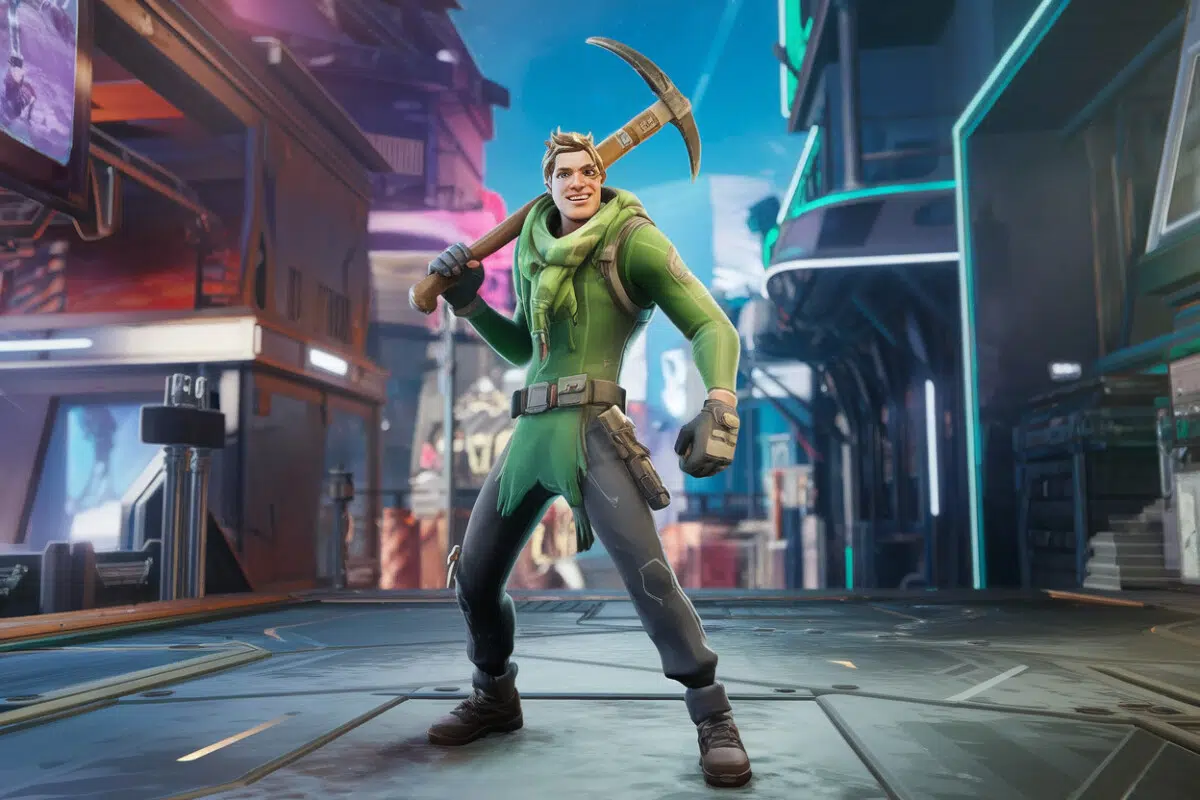
Fortnite is back on the Google Play Store—ending one of the most bitter fights in mobile gaming with a deal few players saw coming.
Epic Games and Google quietly struck an agreement worth about $800 million, paving the way for the blockbuster battle royale to return to Android’s biggest app marketplace after years in exile. The arrangement lands as the two companies have been locked in legal combat over how much power Google wields—and how much it charges—inside its app store.
The core dispute hasn’t changed: Epic has long argued that Google’s Play Store fees are unfair. In 2020, Epic tried to route Fortnite players around Google’s billing system with its own direct payments. Google responded by pulling the game from the store, kicking off a high-stakes showdown that echoed Epic’s parallel war with Apple.
The $800 million agreement that reopened the door
The headline number is straightforward: roughly $800 million over six years. But it’s not a simple check from Google to Epic. Under the terms described in reporting around the deal, Epic is expected to spend that money on Google services—think joint product work and marketing partnerships—while securing a path back onto Google Play.
For Epic, the payoff is access. Google Play remains the default storefront for most Android users worldwide, and being absent meant Fortnite had to rely on workarounds and alternative downloads that many players never bothered with.
For Google, getting Fortnite back is about more than one game. It’s a chance to reinforce Google Play’s pull with both consumers and developers at a moment when regulators and courts are scrutinizing how app stores operate.
Why Fortnite disappeared from Google Play in the first place
Fortnite was removed from Google Play in 2020 after Epic introduced its own in-app payment option, bypassing Google’s billing system and the fees that come with it. Epic framed the move as a stand against what it called an app-store “tax.” Google treated it as a rules violation.
The removal wasn’t just symbolic. It cut Fortnite off from the frictionless install path most Android users expect—search, tap, download—shrinking reach in a mobile market where convenience is everything.
What each side gets—and what questions it raises
Epic gets distribution back on the biggest Android storefront, plus what appears to be improved leverage in how its products and services interact with Google’s ecosystem. That matters not only for Fortnite, but also for Epic’s broader business, including Unreal Engine, which powers a huge share of modern games.
Google gets Fortnite’s return as a signal to the market: Google Play is still the center of gravity for Android apps, and Google can make deals to keep it that way. It also helps Google argue it can be flexible—an important talking point as antitrust pressure builds in the U.S. and abroad.
But the deal also invites an uncomfortable question: if Epic can negotiate special terms, what about everyone else? Smaller developers don’t have Fortnite’s leverage, and they may wonder whether the rules are truly the same for all—or only until a giant threatens to walk.
How this compares to Epic’s ongoing fight with Apple
The Google détente stands out because Epic’s conflict with Apple has played out very differently. Apple has largely held the line on App Store rules and fees, and Fortnite remains unavailable through Apple’s App Store.
That contrast highlights two strategies from two U.S. tech titans: Google appears willing to cut a major deal to keep a marquee app inside its store, while Apple has been more rigid—betting that control and consistency matter more than making exceptions.
What it could mean for the rest of mobile gaming
Fortnite’s return could ripple far beyond one title. If a top-tier publisher can pressure an app store into better terms—whether through litigation, public campaigns, or sheer market power—other major developers may try the same.
That could lead to more customized agreements and new monetization approaches. It could also deepen a two-tier system: big players negotiate, smaller studios pay the standard rates and live with the standard rules.
Either way, the message is clear. The app-store economy isn’t as fixed as it once seemed—and the biggest games in the world can still force the gatekeepers to blink.
What comes next for Epic, Google, and Android players
For players, the immediate impact is simple: Fortnite is easier to get again on Android through the most familiar channel. For Epic and Google, the bigger story is whether this is a lasting peace or a temporary truce while the broader legal and regulatory battles keep grinding on.
If the deal holds—and if other developers follow Epic’s lead—Google Play may be heading into an era where the biggest apps don’t just launch on the store. They negotiate their way in.
Key Takeaways
- Fortnite is returning to Google Play thanks to an $800 million deal.
- This deal could redefine the relationship between developers and platforms.
- The impact on the video game industry could be significant.
Frequently Asked Questions
Why was Fortnite removed from Google Play?
Fortnite was removed in 2020 after Epic Games bypassed Google’s billing system, leading to a dispute over fees.
How much is the settlement between Epic Games and Google?
The settlement totals $800 million over six years, including services and joint partnerships.
Sources
- En marge de leur bataille judiciaire aux Etats-Unis, Epic Games et …
- Secret $800M Epic Games x Google Partnership Revealed! – YouTube
- Epic and Google have a secret $800 million Unreal Engine and …
- Fortnite revient sur Google Play dans le monde entier après une …
- [PDF] Applicants – Supreme Court of the United States