

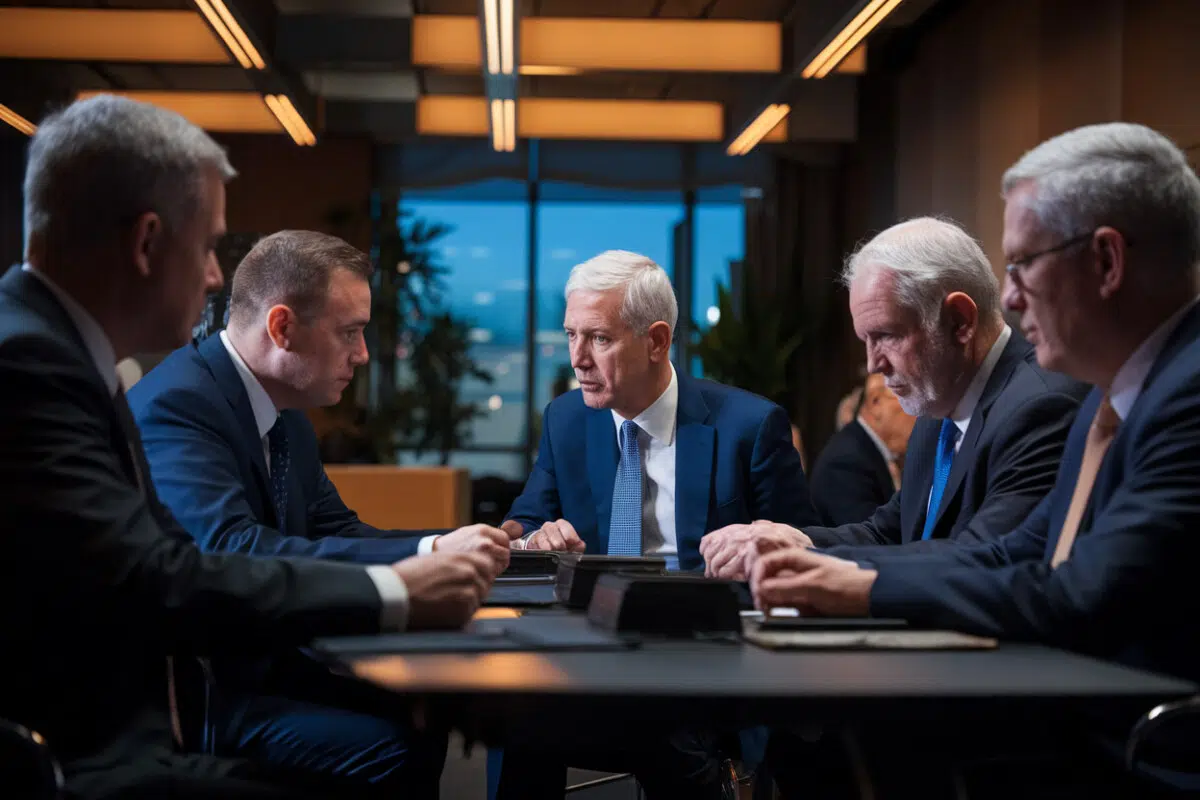
Anthropic and the Pentagon are talking again after a bitter dispute over how the U.S. military could use the company’s AI models—an argument that, at one point, led Defense officials to effectively freeze the startup out.
The renewed negotiations come after Anthropic’s investors, including tech heavyweights with major money on the line, pushed both sides to step back from the brink. The stakes are bigger than one company’s government business: the outcome could shape how Washington and Silicon Valley set the rules for military AI.
At the center is a question the U.S. still hasn’t answered: How do you harness cutting-edge AI for national security without sliding into mass surveillance or letting machines make life-and-death decisions on their own?
Why the Pentagon moved to sideline Anthropic
According to reporting from Reuters and other outlets, the Pentagon’s relationship with Anthropic deteriorated over disagreements about safeguards—specifically, whether and how Anthropic’s models could be used in sensitive military settings.
Anthropic has publicly positioned itself as an AI company that draws hard lines. CEO Dario Amodei has argued against uses that resemble mass surveillance and has raised alarms about autonomous weapons—systems that could, in theory, select and engage targets without meaningful human control.
That posture put the company on a collision course with Defense officials who want access to top-tier AI capabilities as the U.S. competes with China and other rivals. The result: a reported “blacklist” threat and a breakdown in talks that risked spilling into Anthropic’s broader government relationships.
Investors step in to restart the conversation
Anthropic’s backers didn’t want a Washington standoff to become a business-killer. Investors pressed for de-escalation, urging the company and the Pentagon to find a framework that protects national security interests without blowing past the company’s red lines.
Amazon—one of Anthropic’s most prominent partners and investors—has been involved in the broader orbit of discussions, reflecting how intertwined cloud computing, AI development, and federal contracting have become.
For investors, the logic is straightforward: a prolonged rupture with the Department of Defense could chill future federal deals, complicate partnerships, and send a warning signal across the AI sector. Getting both sides back to the table protects not just Anthropic, but the ecosystem of companies building on or around its technology.
The ethical fight over military AI isn’t going away
The hardest issue is also the most fundamental: what limits should apply when AI tools move from consumer chatbots into military operations?
Autonomous weapons remain the third-rail topic. Critics fear a world where software helps determine who lives and who dies, especially if systems fail, are hacked, or behave unpredictably in chaotic environments. Even supporters of military AI often argue that humans must remain firmly “in the loop” for lethal decisions.
Anthropic’s insistence on guardrails has won it credibility with some AI safety advocates—but it can also cost real money. Pentagon contracts can be lucrative, and companies that say “no” may watch competitors say “yes.”
How Anthropic compares with other AI giants
Anthropic isn’t alone in wrestling with the government. OpenAI and other major AI labs have faced similar pressure as federal agencies look to deploy AI for intelligence analysis, cybersecurity, logistics, and battlefield planning.
Some companies choose close collaboration with Washington, betting they can shape policy from the inside and win major contracts. Others try to set clearer boundaries, worried that military use cases could damage their reputations—or accelerate dangerous applications.
The split is becoming one of the defining tensions of the AI boom: move fast and take the government money, or slow down and risk being left behind.
What this could mean for U.S. national security—and the AI industry
If Anthropic and the Pentagon reach a deal, it could become a template for how AI firms negotiate “acceptable use” rules with the federal government—guardrails, auditing, and restrictions tailored to defense needs.
If they don’t, the fallout could push some AI companies to avoid the most controversial government work altogether, even as Washington argues it needs private-sector innovation to keep pace with adversaries.
Either way, the message is clear: the next era of AI won’t be shaped only by engineers and venture capital. It will be shaped by national security demands, political pressure, and the unresolved question of how much control humans are willing to hand over to machines.
Key Takeaways
- Anthropic resumed talks with the Pentagon after being blacklisted.
- Investors played a crucial role in restarting the dialogue.
- The use of military AI raises important ethical questions.
Frequently Asked Questions
Why was Anthropic blacklisted by the Pentagon?
Anthropic was blacklisted due to disagreements over the use of its AI models in sensitive military contexts, including autonomous weapons systems.
What role did investors play in restarting the talks?
Investors pushed to resume negotiations, seeing huge potential in Anthropic’s technology and seeking to protect their investments.
Sources
- Anthropic reportedly reopens Pentagon AI talks after blacklist threat
- Exclusive-Anthropic investors push to de-escalate Pentagon clash …
- Exclusive: Big tech group supports Anthropic in Pentagon fight as …
- 5 big questions from Anthropic-Pentagon spat: 'It's all very puzzling'
- The AI industry's civil war – Vox