

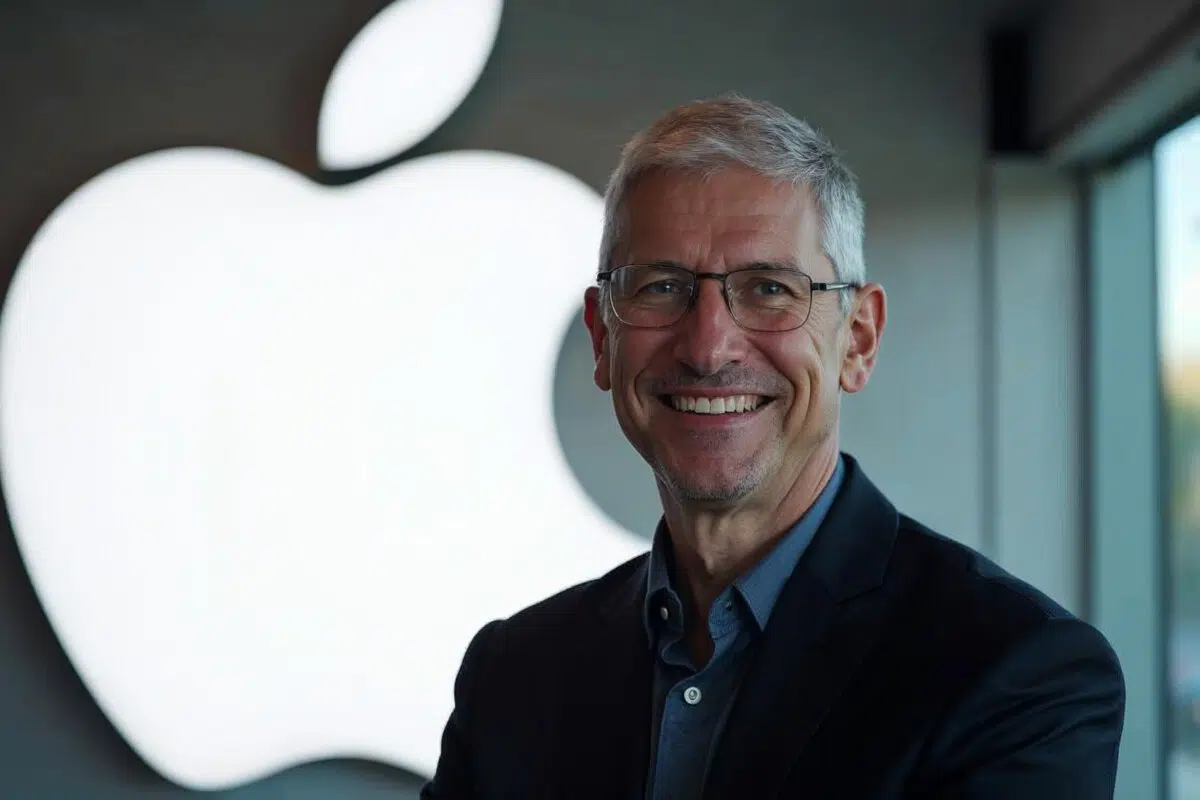
As Apple nears its 50th anniversary, CEO Tim Cook is making a blunt case for why the company still thinks differently: Steve Jobs’ core ideas are still baked into everything Apple builds, and Cook says competitors can’t replicate that formula.
In recent remarks reflecting on Apple’s first half-century, Cook praised Jobs’ obsession with simplicity, craftsmanship, and anticipating what people will want next. But he also warned against turning the late co-founder into a rulebook. Apple’s job, Cook argued, isn’t to cosplay the past, it’s to keep shipping the future.
Jobs’ influence, without the “What would Steve do?” trap
Jobs, who co-founded Apple in 1976 and became one of Silicon Valley’s defining figures, left behind more than iconic products. Cook framed Jobs’ real legacy as a set of operating principles: relentless innovation, extreme attention to detail, and the discipline to turn complicated technology into something ordinary people can use.
Cook says those values still function like Apple’s internal compass. At the same time, he’s pushed teams not to get stuck in the unproductive question that haunts founder-led companies after a visionary dies: “What would Steve have done?” Cook’s message is that Apple can honor Jobs’ mindset without freezing the company in amber.
That balance, protecting the philosophy while refusing to imitate the man, has become central to how Cook describes Apple’s next era.
Apple as a “party of one”
Cook has repeatedly described Apple as a “party of one,” a phrase meant to signal that the company’s mix of culture, product discipline, and consumer focus is fundamentally hard to copy.
In Cook’s telling, Apple’s edge isn’t just better chips or sleeker hardware. It’s the company’s insistence on blending technology with “humanity”, building devices and services that fit into daily life rather than forcing people to adapt to the tech.
That mindset, he argues, is why Apple has been able to redefine categories, from the iPhone to the Apple Watch, while rivals chase specs and features.
The 50-year milestone, and what Apple wants next
Cook positioned the anniversary as less of a victory lap and more of a forcing function: celebrate the history, then build “a new muscle” for what comes next.
Apple is expected to mark the moment with new product launches, including a reported “MacBook Neo” and refreshed versions of the iPad Air. The bigger point, Cook suggested, is maintaining the company’s long-running ambition to deliver products people didn’t realize they wanted until they tried them, an idea closely associated with Jobs.
For American consumers, that’s the familiar Apple promise: fewer gimmicks, more bets on what the company thinks the mainstream will adopt next.
Cook’s Apple: quieter leadership, broader footprint
Cook, who took over after Jobs’ death in 2011, has led with a lower-key style than his predecessor, less showman, more operator. Under his watch, Apple has expanded far beyond its hardware roots, building a major services business that includes Apple Music and Apple TV+.
He’s also made Apple’s public identity more explicitly tied to issues like environmental commitments and human rights, positioning the company as values-driven as well as design-driven.
The challenge, Cook has acknowledged, is keeping Apple’s innovation engine humming without compromising the principles that made the brand what it is.
The next set of pressures: competition, new tech, and credibility
At 50, Apple is no scrappy upstart, it’s one of the world’s most powerful companies, facing relentless pressure from other tech giants and fast-moving shifts in consumer behavior. Cook’s answer is that Apple’s “party of one” culture is its best defense, as long as the company stays hungry.
That means investing in new technologies, entering new categories when it makes sense, and continuing to refine existing products rather than coasting on past hits.
It also means keeping promises on ethics and sustainability, areas where Apple’s marketing is bold and scrutiny is constant. For Cook, the bet is that Apple can keep reinventing itself without losing the thread Jobs left behind: build the future, but make it feel simple.
Key Takeaways
- Steve Jobs’ legacy remains central at Apple.
- Apple is described as a unique "party of one."
- Tim Cook emphasizes continuous innovation.
Frequently Asked Questions
What did Tim Cook take away from Steve Jobs for Apple?
Tim Cook emphasizes that Steve Jobs’ principles—such as innovation and continuous improvement—are part of Apple’s DNA.
How is Apple celebrating its 50th anniversary?
Apple is marking the anniversary with new products, including the MacBook Neo, while focusing on future innovation.