

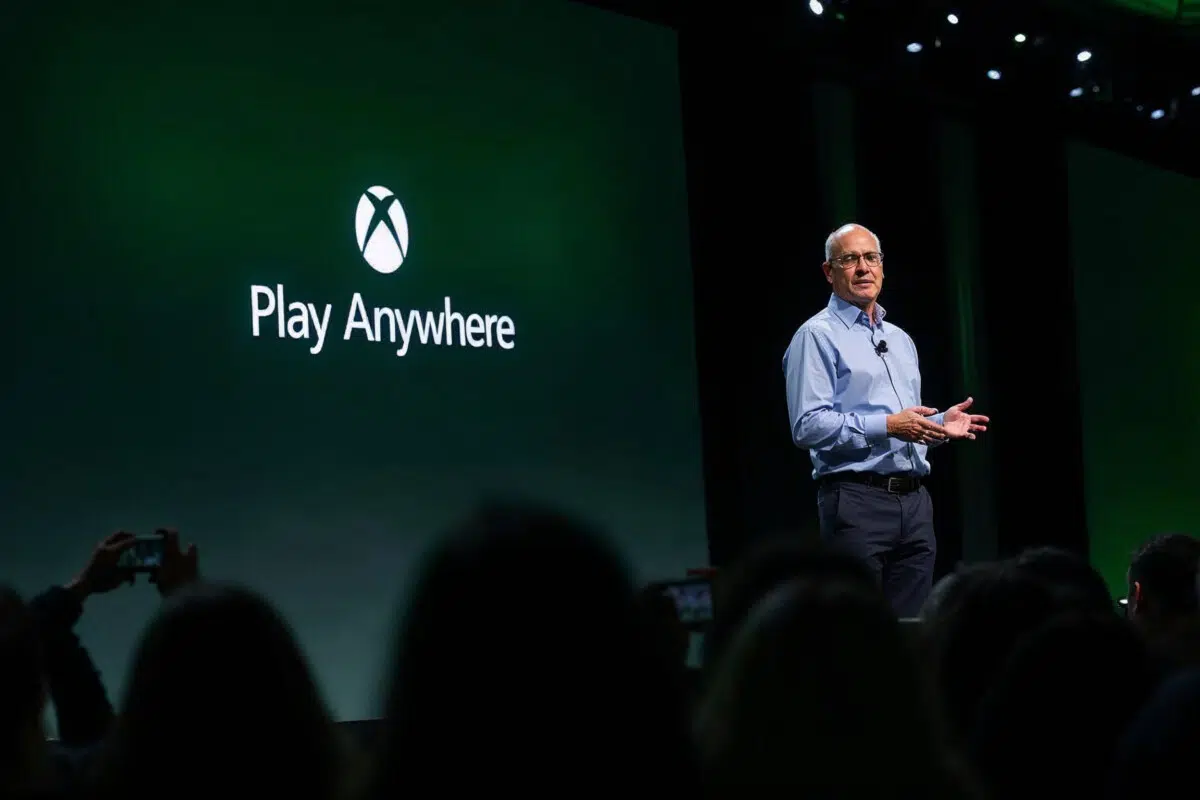
Satya Nadella is trying to silence the loudest question hanging over Xbox: Is Microsoft still all-in on gaming, or is the brand slowly being folded into Windows and the cloud?
In an internal Q&A with employees, the Microsoft CEO delivered a blunt promise, Microsoft will “always” invest in gaming. But he wasn’t pitching a triumphant return to the old console wars. He was selling something more unsettling for longtime fans: an Xbox that matters less as a box under your TV and more as a service that follows you everywhere.
Nadella’s message to Xbox staff: We’re staying, now prove you can deliver
According to accounts of the meeting, Nadella hammered one point: Microsoft isn’t backing away from gaming, not “as long as it’s profitable,” not “as long as the market cooperates,” but for the long haul.
He also acknowledged a reality anyone who’s shipped a game understands: games aren’t like cloud infrastructure or operating systems. You can optimize Azure at scale. You can’t mass-produce a great game on an assembly line. Creative risk is baked in, and expensive.
That’s why Nadella paired the vow with a warning: “excellence in execution.” Translation: the money and the strategy don’t matter if the games arrive half-finished or the pipeline keeps slipping.
The pressure is amplified by Microsoft’s own recent moves. The company has cut more than 2,500 gaming jobs and shut down multiple studios since the start of the year, actions that make any “we’ll always invest” pledge harder for employees to trust.
Xbox everywhere: console, Windows PCs, cloud, and whatever comes next
Nadella’s Xbox future isn’t centered on a single piece of hardware. It’s a multiplatform vision where Xbox lives across consoles, Windows PCs, mobile devices, cloud streaming, and “other devices”, a phrase that reads like a deliberate opening for third-party handhelds, smart TVs, and platforms Microsoft doesn’t control.
In Microsoft’s telling, growth comes from active users, game availability, device performance and reliability, and services, not from slapping an Xbox logo on a black rectangle in the living room.
For fans who grew up on the idea of Xbox as a distinct home for must-play exclusives, that shift can feel like an identity crisis. When everything is Xbox, nothing is. And if Microsoft wants people to keep buying dedicated consoles, it has to offer more than a slogan, better performance, smoother experiences, a well-managed library, and social features that actually work.
Xbox games on PlayStation: Phil Spencer bets on reach over exclusivity
The loudest flashpoint is Microsoft’s willingness to put Xbox games on rival platforms, including Sony’s PlayStation. Franchises likeHalo,Gears of War,Forza, and even a futureFableare now part of the conversation as symbols of a new era.
Xbox chief Phil Spencer has defended the strategy with a simple argument: make better games that more people can play. From a business standpoint, it’s straightforward, stop limiting your audience to one console ecosystem and chase sales and engagement everywhere.
But the symbolic cost is huge. A console without defining exclusives starts to look less like a must-own platform and more like a specialized gateway to subscriptions and services. That’s the core reason the “what is Xbox now?” debate won’t go away.
Spencer and Nadella are betting that bigger launches across more platforms will strengthen Microsoft’s franchises and expand communities. The risk is obvious: if a major release stumbles, it won’t just flop in one place, it will get dragged everywhere at once.
New leadership, massive scale: Asha Sharma takes over Microsoft Gaming
Microsoft is also reshuffling the org chart. Asha Sharma has been named EVP and CEO of Microsoft Gaming, and she’s pushing the same thesis: gaming now lives across devices, not inside the boundaries of one machine.
Sharma has pointed to Xbox reaching more than 500 million monthly active users, a staggering number that reframes the strategy. At that scale, Microsoft isn’t just thinking about premium consoles in American living rooms. It’s thinking about PC-first markets, mobile-heavy regions, cloud access, and players who jump in for short sessions instead of marathon weekends.
She’s also tried to reassure fans and developers that Microsoft won’t treat its franchises as IP to be endlessly milked. The pitch is more “build worlds people care about” than “turn everything into a monetization funnel.”
The missing ingredient is trust. After layoffs, studio closures, and years of mixed execution, Microsoft now has to prove that “seamless Xbox” doesn’t mean “diluted Xbox.”
Where the money is: subscriptions, game sales, and a shrinking margin for error
Nadella has been unusually clear about what drives Xbox revenue today: subscriptions and content sales, both Microsoft-made games and third-party titles. Hardware still matters, but it’s no longer the main engine.
That puts the spotlight back on active users. If players aren’t logging in, subscribing, and buying games, the strategy collapses, no matter how strong the brand recognition is.
And Microsoft is trying to navigate a broader attention problem: entertainment is splintering, and even gaming competes with endless feeds and short-form video. The company’s answer is to offer multiple on-ramps, quick mobile sessions, PC continuity, big-budget console experiences, and cloud streaming when you don’t own the hardware.
It’s a coherent plan on paper. The next year will test whether Microsoft can make it feel effortless in real life, and whether Xbox can expand everywhere without losing the sense that it stands for something.
Key Takeaways
- Satya Nadella confirms that Microsoft will remain committed to Xbox and gaming for the long term.
- The strategy emphasizes a multiplatform brand, not just the console.
- The shift toward bringing more games to other platforms is changing Xbox’s identity and putting pressure on execution.
Frequently Asked Questions
Is Microsoft going to stop making Xbox consoles?
Based on public statements, Microsoft is emphasizing the Xbox brand across multiple devices—console, PC, mobile, and cloud. That doesn’t confirm an end to hardware, but it does show the console is no longer the only center of the strategy.
Why is Xbox releasing games on PlayStation?
Phil Spencer’s stated goal is to deliver “better games that more people can play.” Publishing on other platforms expands the audience and strengthens franchises, but it also weakens the traditional exclusives-based argument for buying a console.
What’s really driving Xbox revenue today?
According to Satya Nadella, Xbox revenue is mainly driven by subscriptions and content sales, whether first-party or third-party. Growth also depends on the active user base and game availability.
Who leads Microsoft Gaming now?
Asha Sharma has been appointed EVP and CEO of Microsoft Gaming. She’s highlighting a seamless Xbox experience across devices and an approach aimed at breaking down barriers so developers can reach players everywhere.