
A great meal usually starts with one thing: a knife that actually does its job. Whether you’re a weeknight cook or the kind of person who nerds out over recipes, the right kitchen knife makes prep faster, safer, and a lot less frustrating.
But walk into any kitchen store, or scroll for five minutes online, and you’ll hit a wall of choices: chef’s knives, santokus, paring knives, stainless vs. carbon steel, different handle materials, and specs like “HRC” that sound more like a car part than cookware. Here’s how to cut through the noise and buy a knife you’ll want to use every day.
Start with the knife type you’ll use most
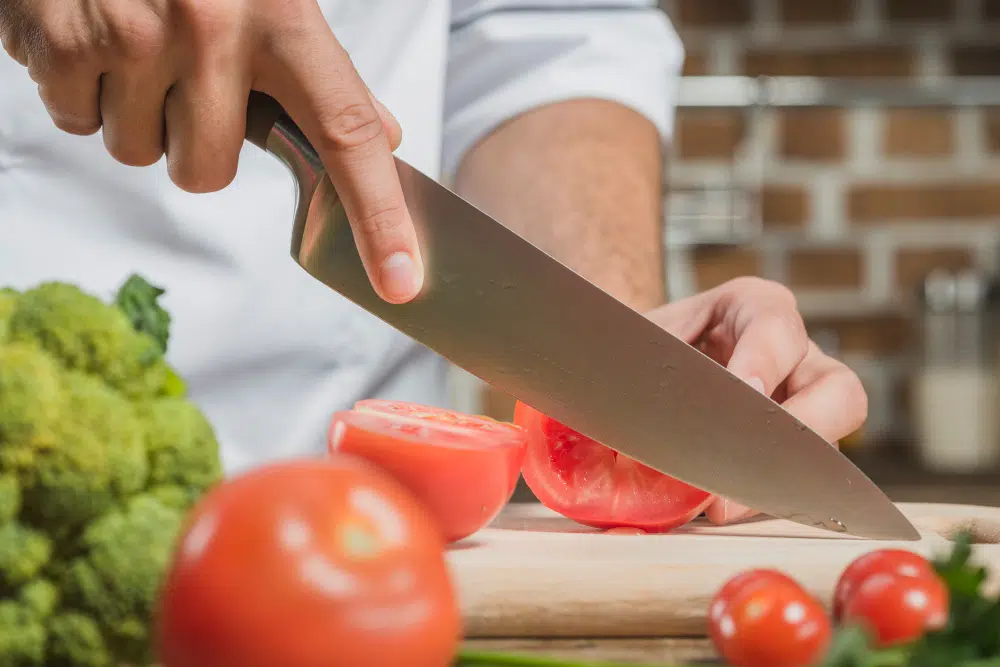
If you’re buying just one “do-everything” knife, make it a chef’s knife. It’s the workhorse for chopping onions, slicing meat, mincing herbs, and handling most produce with speed and control.
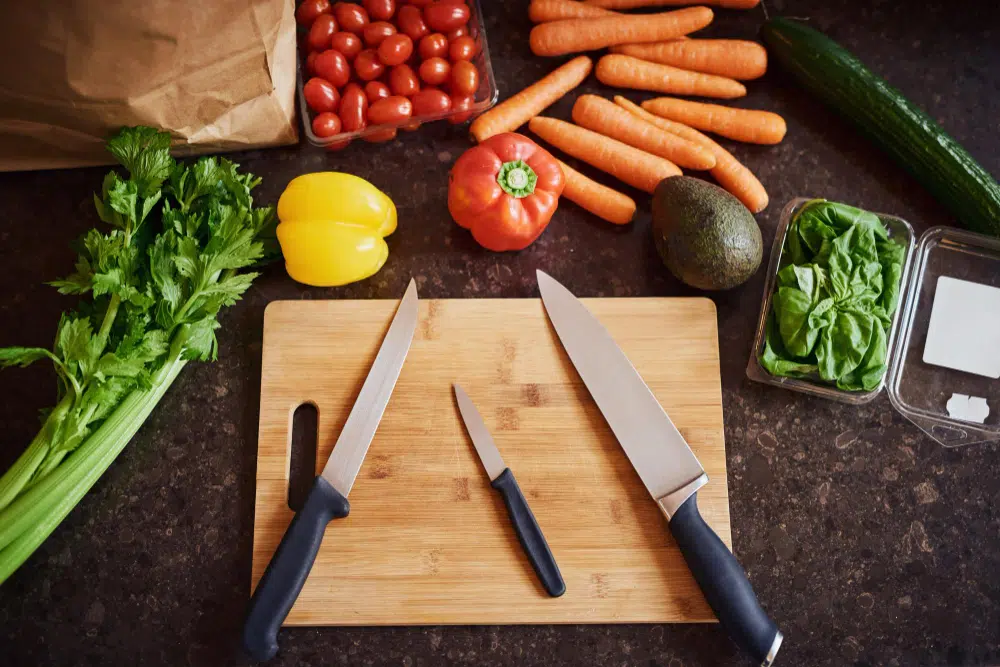
A paring knife is the small precision tool, best for peeling, trimming, and detail work like coring strawberries. Beyond that, specialty knives earn their keep only if you’ll use them: a serrated bread knife for crusty loaves, a santoku for a flatter, more compact chopping style, or a fillet knife if you break down fish regularly.
The blade matters most: stainless vs. carbon steel (and what “HRC” means)
The blade is where performance lives. Stainless steel is the low-maintenance choice: it resists rust and corrosion and holds up well for everyday home cooking. For most Americans who want a reliable knife without fuss, stainless is the easy win.
Carbon steel can take an extremely sharp edge, which is why many serious cooks love it. The tradeoff: it demands more care. Carbon steel can discolor and rust if you leave it wet or toss it in the sink.
You’ll also see “HRC,” a hardness rating (Rockwell scale). In plain English: harder steel can hold a sharp edge longer, but it may be more brittle and can be trickier to sharpen. Softer steel is often easier to sharpen but may need touch-ups more frequently. The “best” number depends on how you cook, and whether you’ll maintain the edge.
Don’t ignore the handle, comfort is a safety feature
A knife can have a great blade and still feel wrong in your hand. Handle comfort affects control, and control affects safety. Handles come in wood, plastic, and composite materials, each with pros and cons around grip, durability, and upkeep.
What matters most is fit: your hand size, how you hold the knife, and how long you’ll use it at a stretch. Look for a shape that feels secure and stable, especially when your hands are wet. If you can’t test in person, read detailed product descriptions and ergonomics notes from reputable retailers and buying guides.
Weight and balance: the “feel” you notice after 10 minutes of chopping
Some cooks want a lighter knife that moves fast; others prefer a heavier knife that feels planted and powerful. Neither is universally better, what matters is how quickly your hand and wrist fatigue during prep.
Balance is just as important as weight. A well-balanced knife, where the blade and handle feel evenly matched, gives you cleaner cuts and better control. Poor balance can make a knife feel awkward, even if it’s sharp.
How to shop smarter before you spend
Buying a kitchen knife isn’t just about brand names or price tags. It’s about matching the tool to your cooking habits and understanding the basics: blade steel, hardness, handle comfort, and balance.
Specialty retailers and buying guides can help decode the specs and compare models in a way that’s actually useful for non-experts. The payoff is real: a well-chosen knife lasts for years, makes cooking more enjoyable, and turns prep from a chore into something you can do with confidence.