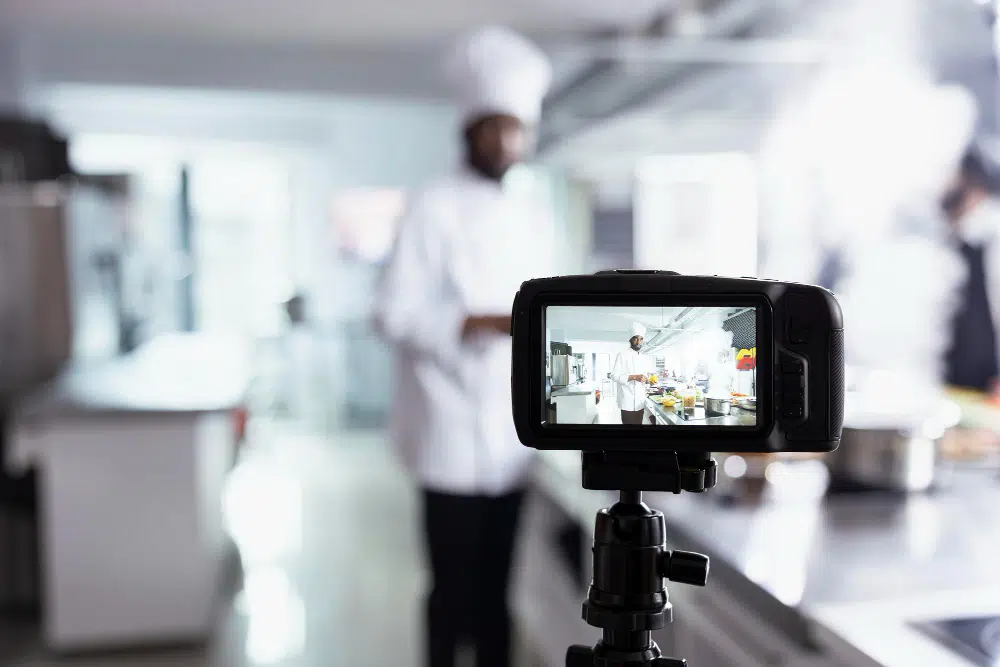


A corporate video used to be a “nice-to-have.” In 2026, it’s closer to a survival tool.
Video now accounts for more than 80% of global internet traffic, according to widely cited industry estimates, meaning the fight for attention on LinkedIn, YouTube, Instagram, and TikTok is increasingly a fight fought in moving images. And for many companies, the era of DIY, in-house videos is ending fast as audiences demand sharper storytelling, better sound, and production quality that doesn’t scream “amateur.”
The pitch from the video indusvideotry is simple: a well-made corporate video can rally employees, win over customers, and explain complicated products in seconds. The catch is that doing it well usually requires professional help, specialized audiovisual agencies that handle strategy, scripting, filming, editing, and performance tracking.
Why corporate video has become the default format for business in 2026
Walk into a company meeting where a strong brand video is playing and you’ll see it: people actually watch. They react. They talk about it afterward. A good video doesn’t just “communicate”, it creates a shared moment, whether it’s shown at an all-hands, a sales kickoff, a recruiting event, or embedded on a homepage.
That’s why marketers keep leaning into video. It grabs attention faster than text, travels farther on social platforms, and sticks in memory longer than a slide deck. On LinkedIn in particular, the go-to platform for executives, recruiters, and B2B decision-makers, video posts routinely outperform static images and text-only updates in reach and engagement.
For American readers: think of LinkedIn as the business world’s combination of a professional Facebook feed and a lightweight trade publication, where the algorithm rewards content that keeps people watching and sharing.
The corporate video formats companies are betting on
“Corporate video” no longer means one glossy, three-minute brand film and done. Companies are using different formats for different jobs, reputation, recruiting, sales, training, and product education.
Common formats include brand films (often called “institutional” videos in Europe), executive or employee interviews, customer testimonials, product explainers, and motion design, animated graphics that make data-heavy topics easier to understand.
The distribution strategy matters as much as the shoot. YouTube tends to reward longer storytelling and search-friendly explainers. LinkedIn favors tighter cuts that get to the point quickly. Instagram and TikTok push vertical video built for fast scrolling. And a company website remains the credibility anchor, where polished video can reassure prospects that a business is established and serious.
Why many companies are outsourcing video instead of doing it in-house
Businesses often start with internal production, someone on the marketing team with a decent camera, a ring light, and editing software. That can work for quick updates. But the moment a company needs a flagship video for a product launch, recruiting push, or major sales campaign, the limitations show.
Specialized audiovisual agencies sell something beyond cameras: process. They help shape the message, build a script, choose the right format, plan the shoot, and align the release with a company’s calendar, like a hiring surge, a conference, or a new-market expansion.
In the French article, one agency cited as an example is E’motion, which positions itself as a partner for industries ranging from tech to public-sector organizations. The broader point is familiar in the U.S. market too: companies are increasingly treating video like a strategic asset, not a side project.
What “professional production” actually buys you
A real production day looks less like a casual office shoot and more like a small operation: lighting setups, multiple cameras, sound capture, retakes, and constant adjustments. Then comes post-production, editing that controls pacing, graphics that clarify the message, and sound design that makes the final cut feel polished instead of flat.
Agencies typically bring a full bench: directors and cinematographers for visuals, editors for structure and rhythm, motion designers for animated elements, and sound designers for mixing and audio branding. The goal is simple: make the video feel intentional, and keep viewers watching long enough for the message to land.
Distribution and analytics: the part most companies underestimate
Even a great video can flop if it’s posted in the wrong format or on the wrong channel. Vertical cuts tend to perform better on Instagram and TikTok. YouTube audiences often tolerate longer runtimes if the story delivers. LinkedIn viewers usually want speed and clarity.
That’s where analytics comes in. Agencies and marketing teams track watch time, completion rate, click-throughs, and comments to see what’s working, and then adjust the next round of content. In practice, video becomes a feedback loop: publish, measure, refine, repeat.
What companies get out of it, beyond views
The French piece points to tangible outcomes companies chase with video: stronger brand recognition, better B2B lead generation, smoother onboarding and training, and more internal cohesion. One client testimonial cited a 30% jump in sales meetings over six months after a campaign video reshaped how the company presented itself.
Not every video will deliver that kind of lift. But the direction of travel is clear: as more of the internet becomes video-first, companies that treat video as a core communications tool, rather than an occasional marketing add-on, are positioning themselves to compete for attention, talent, and trust.
In 2026, the question isn’t whether your company should use video. It’s whether your video looks and sounds like it belongs in the same feed as everyone else’s, or whether it gets swiped away in a second.