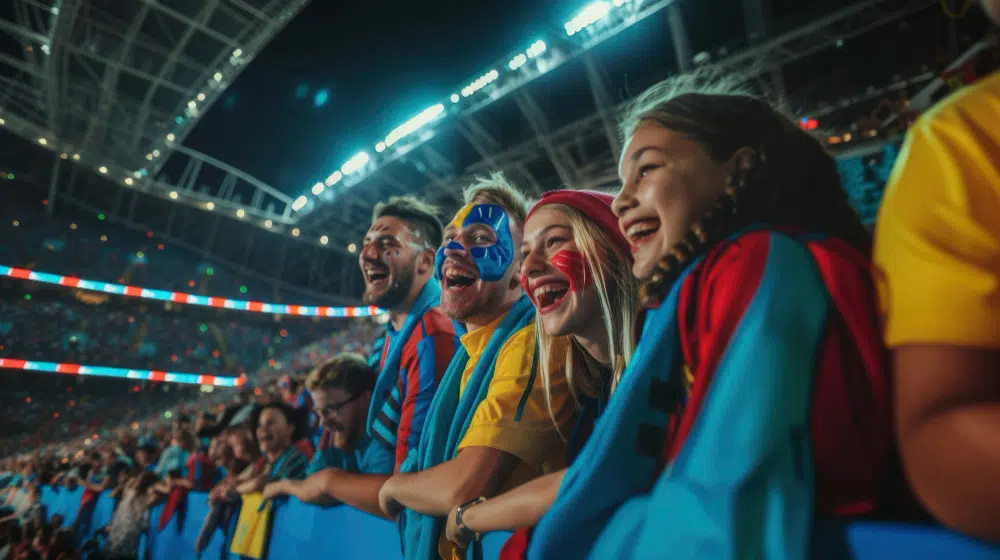


The 2026 FIFA World Cup is set to be the biggest soccer tournament ever, and it’s landing in North America. With 48 teams spread across 16 host cities in the United States, Canada, and Mexico, the event is built for a global audience that won’t be watching the old-fashioned way.
For many fans, “watching live” no longer means planting yourself in front of a TV. The center of gravity has shifted to phones, apps, and social platforms that deliver goals, highlights, stats, and chatter in real time, whether you’re commuting, working, or following matches across time zones.
That digital-first reality is reshaping how the World Cup will be consumed from Los Angeles to Toronto to Mexico City, and far beyond, especially among younger fans who expect instant updates and personalized alerts instead of a single broadcast feed.
A World Cup built for scale: 48 teams, three host countries, 16 cities
For Americans who only tune in every four years, here’s the headline: 2026 is a major expansion. FIFA, the sport’s global governing body, has bumped the field to 48 national teams, turning the tournament into a sprawling, monthlong marathon.
The matches will be staged across 16 cities in the U.S., Canada, and Mexico, a first for a World Cup. That geographic spread means more games, more local fan bases, and more demand for flexible ways to keep up, especially when kickoff times don’t match your schedule.
France is already qualified, and Americans will hear plenty about “Les Bleus”
One team expected to draw heavy attention is France, which has already qualified and enters as a top-tier contender. The French men’s national team, nicknamed “Les Bleus”, has been a powerhouse in recent tournaments, stocked with star talent and backed by elite coaching.
Even if you’re not watching full matches, the modern fan experience makes it easy to track a team’s run: goal alerts, tactical breakdowns, and postgame analysis can hit your phone within seconds. That always-on coverage is especially popular with globally connected fan communities, including African and European audiences that follow French players closely.
Why traditional TV isn’t enough anymore
TV still matters, but it’s no longer the only screen that counts. Fans increasingly check scores in the middle of a meeting, follow match threads while riding public transit, or watch short clips instead of sitting through a full broadcast.
Commercial breaks, rigid programming schedules, and limited coverage options can feel out of step with what viewers now expect: instant access, customization, and the ability to follow multiple games at once.
By 2026, the smartphone is the default companion for live sports. Dedicated match apps and social platforms like X (formerly Twitter), TikTok, Instagram, and YouTube have become the go-to places for rapid updates, short highlight videos, and real-time reactions.
That matters during a World Cup, when games can run all day and fans want to stay plugged in, even if they can’t stream a full match at that moment.
How to follow the 2026 World Cup live without a TV subscription
Fans who don’t have cable, or don’t want to be tied to a television, have more options than ever. The most popular tools focus on speed and clarity: live scores, push notifications, and minute-by-minute text coverage that tracks the flow of a match.
Many platforms now go beyond the basic scoreline, offering advanced stats that have become mainstream in soccer coverage:
Possession, shots on target, and passing numbers
Expected goals (xG), a metric that estimates chance quality
Real-time player and team performance comparisons
WhatsApp groups organized by country or club for minute-by-minute updates
Facebook pages amplifying official announcements and locker-room rumors
Telegram channels pushing instant goal alerts and major decisions
For fans following from abroad, or anyone juggling work, family, and a packed match schedule, those tools can be the difference between feeling locked in and feeling left behind.
With games spread across North America, kickoff times will vary widely. Add in international audiences, from West Africa to Europe to Asia, and the scheduling puzzle gets even more complicated.
That’s where digital platforms shine: interactive calendars can automatically adjust to your local time zone, send reminders before kickoff, and update group standings instantly as goals go in.
Alternative media is booming, especially mobile-first coverage
Another shift: fans aren’t relying solely on big international TV networks for information. Specialized soccer outlets and independent creators now deliver fast analysis, live debriefs, and community Q&As across multiple platforms.
In many regions, particularly parts of Africa and Latin America, mobile-first coverage is the backbone of the experience. Lightweight apps and data-friendly websites make it possible to follow matches even on unstable connections, with alerts designed to be quick and bandwidth-conscious.
Messaging apps are becoming the live ticker
For real-time updates, messaging platforms have evolved into unofficial newswires. Fans swap lineups, injury updates, and goal clips in group chats that move faster than many traditional outlets.
The appeal is simple: it’s fast, it’s social, and it’s often free.
FAQ: Watching the 2026 World Cup live without television
What are the best alternatives to watching on TV?
Live-score apps, specialized match sites, and social platforms can deliver real-time scores, stats, and highlights. Messaging apps like WhatsApp and Telegram also function as rapid update hubs.
How do I make sure the information is reliable?
Stick to established sports outlets, official league and federation accounts, and reputable match trackers that timestamp updates and correct errors quickly.
Will following on mobile burn through data?
It depends on what you use. Text-based live trackers and push notifications use relatively little data, while auto-playing video clips and livestreams can consume a lot.
Can I get match times in my local time zone automatically?
Yes. Most major sports apps and digital calendars can detect your location or settings and display kickoff times accordingly, with optional reminders.
The bottom line: the 2026 World Cup is arriving in North America at a moment when the “main screen” is increasingly the one in your pocket, and the tournament’s reach will be measured as much in notifications and clips as in traditional TV ratings.