

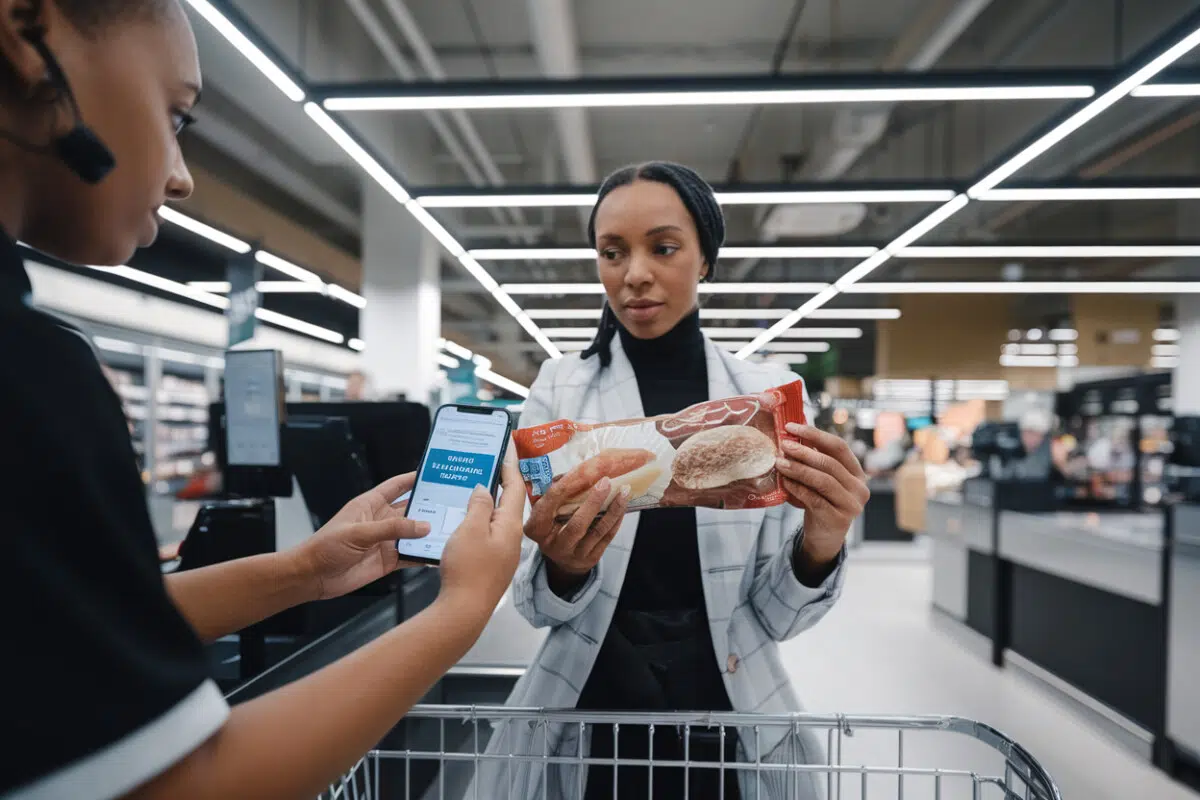
France is issuing a steady drumbeat of product recalls, some for everyday groceries like ground beef, smoked salmon, and soft dairy, others for items you’d never expect to be hazardous, including children’s sand-based toys flagged for asbestos.
The bigger problem: many shoppers never see the alerts. Packaging gets tossed, lot numbers go unchecked, and a risky product can sit in a fridge or under a sink for days. France’s official recall hub lays out clear instructions, stop using it, return it, or contact the company, but only if you know where to look and what details matter.
France’s “RappelConso” is the one-stop shop for official recall notices
The French government runs a centralized recall website calledRappelConso, which aggregates warnings across food and consumer goods. It pulls information from multiple agencies, including France’s consumer-fraud and product-safety watchdog (DGCCRF) and its food-safety authority (DGAL), roughly analogous to a mix of U.S. FDA, USDA, and CPSC roles split across different departments.
Each recall page follows a standardized format: what the risk is, why the product is being recalled, and what consumers should do, return it, destroy it, or contact customer service.
Some alerts get prominent placement because they involve widespread products and serious hazards, like the long-running Takata airbag crisis (a global safety scandal tied to exploding airbags) or toy-related warnings involving asbestos. Those aren’t “minor defects.” They’re the kind of notices where the advice is simple: check your home immediately.
RappelConso has also upgraded its database to make searches easier. A newer dataset, “RappelConso V2,” allows sorting byGTIN, the barcode number used internationally. A barcode field added in late November 2024 makes it faster to confirm a match if you still have the packaging: scan, compare, and act.
One caution: the volume of online chatter doesn’t always reflect the size of a recall. Industry coverage cited a large beverage recall by Coca-Cola Europacific Partners in Belgium and Luxembourg over elevatedchloratelevels, yet that kind of event may not look “big” to everyday consumers skimming public listings. The takeaway is the same as in the U.S.: don’t follow the noise, follow the product identifiers.
Listeria and E. coli keep showing up in meat and seafood recalls
Recent food recalls in France are still dominated by microbiological risks. Ground beef has been flagged for Shiga toxin–producingE. coli(STEC), including 5% fat ground beef sold in12.3-ounce(about350-gram) trays and hamburger patties. The trigger is typically a failed lab test.
The risk rises when people undercook meat, especially in households that prefer burgers on the rare side. That’s a familiar dynamic for American readers: STEC can cause severe illness, and the margin for error is thin.
Listeria monocytogenesis another repeat offender, cited in recalls involving items like grill-ready roasted ham and store-prepared smoked salmon sold under retailer brands, including Auchan (a major French supermarket chain, comparable in scale to a large U.S. regional grocer). Listeriosis is uncommon, but it can be dangerous, especially for pregnant women, older adults, and people with weakened immune systems.
Dairy products also show up. Some recalls involveStaphylococcus aureusinfromage blanc, a soft fresh cheese similar to a thick, tangy yogurt or quark. Because it’s eaten as-is, “cooking it off” isn’t an option. If the lot matches a recall, the safest move is not to taste-test, just follow the instructions.
What makes all of this harder is how routine these purchases are. A pack of deli meat, a tray of ground beef, smoked fish from a prepared-food counter, then the label goes in the trash. A butcher interviewed in a neighborhood shop summed it up bluntly: customers often only come back when the store posts the recall notice in person.
Plastic, glass, and even stones: foreign objects drive many recalls
Not every recall is about bacteria. Tracking data in France shows foreign-object contamination, especiallyplastic, as a leading reason for recalls over some periods. Examples include plastic strands found in sliced cheddar-style cheese and hard fragments in pork products tied to a specific production site.
The immediate danger isn’t infection, it’s physical harm: choking, cuts, or cracked teeth.
France has also logged recalls forglasscontamination, including one involving kimchi and another involving chocolate mousse, both linked to products packaged in glass containers. Manufacturers use detection systems, but they’re not perfect; a tiny crack can create a real hazard.
Then there are the odd-sounding recalls that still matter. One example cited: a6.3-ounce(about180-gram) Tony’s Chocolonely dark chocolate bar with almonds and sea salt recalled over the possible presence of a small stone. It may not sound like a “food safety” issue in the classic sense, until someone bites down and ends up in a dentist’s chair.
Not all foreign objects pose the same risk, soft plastic isn’t the same as glass, but the consumer guidance is consistent: don’t eat it, set it aside, and document the product details. If you’re serving kids or older adults, the threshold for caution should be even higher because choking risks climb fast.
Asbestos in toys and chemical risks in everyday items raise the stakes
Some of the most alarming recalls aren’t food-related at all. One ongoing alert involvessand-based children’s toysflagged forasbestos. That shifts the concern from “don’t ingest” to “don’t handle”, because the danger is inhaling fibers. Consumers can’t realistically assess exposure at home, so the priority is to remove the product from use immediately.
Another recall targets a “Ptits Mecs” keychain from the brand FELIZZ over chemical risk: testing found substances classified as carcinogenic, mutagenic, or toxic to reproduction, categories regulators treat as high concern. Small items like keychains often circulate as gifts or trinkets, which makes them harder to track once they’re out in the world.
Household cleaners are also on the list. A ready-to-use degreaser called NET 3 from DALEP was recalled because itspHwas higher than expected, raising the risk of skin irritation or even chemical burns with prolonged contact. It’s the kind of product people use barehanded for a quick wipe-down, until a formulation problem turns routine cleaning into a hazard.
These non-food recalls often get less attention than a contaminated meat or fish product someone ate yesterday. But the potential consequences, especially with asbestos, can be long-lasting, which is why checking toy and chemical categories matters as much as scanning the food section.
Barcode, lot number, receipt: the fastest way to confirm a recall and get your money back
When an alert pops up, don’t rely on memory. Identify the product using the most objective details you have, especially theGTIN barcode. France’s newer database is built around that idea for a reason: if you still have the packaging, matching the barcode is often the quickest confirmation.
Next, isolate the item. In a busy kitchen, a recalled soft cheese can get opened, mixed, or shared. With pathogens like Listeria or STEC, the goal is not only to avoid eating it but also to reduce cross-contamination, hands, knives, cutting boards, and counters. Clean surfaces and wash hands thoroughly.
Refunds vary by retailer and product. Recall notices typically spell out whether to return the item, destroy it, or contact customer service. Keeping a receipt helps, but it’s not always required if the product is clearly identifiable. One department manager described a common workaround: customers show a photo of the packaging and the barcode, and that’s often enough.
The bigger risk is recall fatigue, people start to feel like “everything is recalled” and tune out. But recalls exist because testing, reporting, and public disclosure are working. The practical approach is targeted vigilance: check alerts when you see them, and pay extra attention to higher-risk categories like meat, smoked seafood, dairy, and sensitive non-food items such as toys and chemicals.
Key Takeaways
- Recent recalls involve both food products (Listeria, STEC) and non-food products (asbestos, chemicals).
- Foreign objects, such as plastic and glass, are among the most common reasons for recalls.
- The <strong>GTIN</strong> barcode and the lot number are the most reliable ways to verify a product.
- If in doubt, do not consume it; set the product aside and follow the return or refund instructions.
Frequently Asked Questions
How do I know if my product is affected by a recall?
First, check the packaging, then compare the brand, size, and especially the barcode (GTIN/UPC) and lot number with the corresponding recall notice. If you threw away the packaging, use any remaining details: the exact name, weight, and packaging type. If you’re unsure, don’t consume it and contact the retailer.
What should I do if I already consumed a product recalled for Listeria or E. coli?
Watch for symptoms and, if you’re in a high-risk group (pregnant, older adult, or immunocompromised), contact a healthcare professional and mention the type of product and the reason for the recall. If possible, keep the packaging or a photo of the product details to help with evaluation.
Should I return the product to the store or throw it away?
The recall notice will tell you what to do: return it to the store, dispose of it, or contact customer service. When a return is requested, bringing the product back often allows you to get a refund. If you’re instructed to dispose of it, set it aside to prevent accidental use, then discard it as directed.
Why do recalls involve items like keychains or degreasers?
Recalls apply to all consumer products. A keychain may contain hazardous chemicals, and a degreaser may have an out-of-spec pH, creating a risk of irritation or chemical burns with prolonged contact. These recalls are less visible, but they can still have real consequences.