

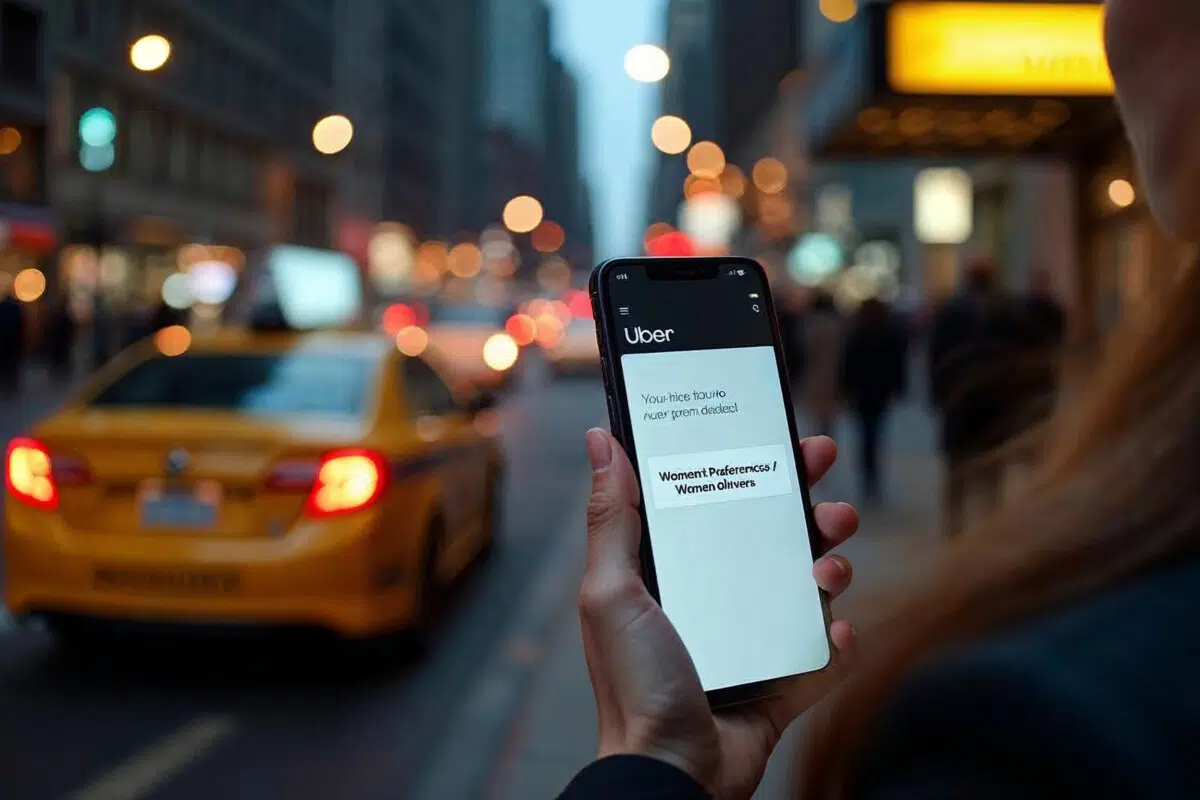
Uber is taking a feature it’s been quietly testing and pushing it nationwide: “Women Preferences,” an in-app setting that lets women riders request a woman driver.
The pitch is straightforward, more control, more comfort, and for some riders, a little more peace of mind. The reality is messier. It’s a preference, not a promise, and it only works as well as the supply of women behind the wheel in your city at that moment.
Uber is also extending the option to Uber Teen in markets where teen accounts are available, giving parents another lever when their kids need a ride. That move could be, or it could strain an already limited pool of drivers.
A national rollout after a 2025 pilot
Uber says Women Preferences is now expanding across the U.S., following a pilot that began in August 2025 and a broader ramp-up that already reached more than 60 cities.
The feature is appearing first in major markets including New York City, Washington, D.C., Austin, Atlanta, and Philadelphia, with a phased rollout inside the app. Uber’s stated goal: give women more control, both as passengers and as drivers.
This isn’t Uber’s first attempt at gender-based matching. The company launched a similar option in Saudi Arabia in 2019, shortly after women there gained the legal right to drive. Uber says it has since expanded comparable features to more than 40 countries and logged roughly 230 million trips globally using these kinds of preferences.
What riders actually get: three ways to use it
For riders, Uber is packaging Women Preferences around three practical use cases. First is the on-demand request: when you book a ride, you can select an option that effectively asks to be matched with a woman driver. If the wait time spikes, the app may prompt you to switch back to a standard ride.
Second is scheduling. Through Uber Reserve, riders can pre-book a trip and request a woman driver in advance, useful for early flights, late-night returns, or any ride where you’d rather not gamble on what’s available at the curb.
Third is a persistent setting. Riders can turn on a default preference in the app’s settings so they don’t have to remember to select it each time. Uber emphasizes the same caveat across all three: it increases the odds, but doesn’t guarantee a match.
For women drivers, a toggle that could reshape who gets in the back seat
Uber is also offering women drivers a setting that prioritizes trip requests from women riders. The company frames it as flexibility, something drivers can turn on during certain hours and switch off whenever they want.
That matters because safety concerns don’t run in just one direction. Some women drivers have long said they’d like more control over who they pick up, especially late at night or in situations that feel unpredictable.
Uber is also betting the feature could help recruit and retain more women drivers. That’s the make-or-break factor: if there aren’t enough women driving, the rider-side preference becomes a button that looks reassuring but rarely delivers when demand is highest.
Uber Teen: the feature aimed straight at parents
Uber says the same preference will be available for Uber Teen in cities where teen accounts exist and Women Preferences is live. That means teens, and their guardians, can request a woman driver for immediate rides or scheduled trips.
For parents, the appeal is obvious: your kid needs a ride home from practice, a part-time job, or a late study session, and you want an extra layer of comfort without rearranging your entire evening.
But the math doesn’t change. If teen demand surges during predictable peaks, after school, weekends, big events, it could intensify competition for a limited number of women drivers, potentially pushing up wait times for everyone using the preference.
The catch: supply, wait times, and what Lyft already offers
The biggest constraint is simple: there may not be enough women drivers available to make the feature feel reliable. Wharton management professor Lindsey Cameron has warned that without sufficient supply, these programs can translate into longer waits, exactly the moment many riders are least willing to wait.
The rollout also lands in a rideshare industry still shadowed by years of safety concerns. Media reports have cited more than 400,000 rides between 2017 and 2022 that generated reports of sexual assault or misconduct. That figure reflects reports, not necessarily confirmed incidents, but it underscores why riders keep pushing for more control and clearer safeguards.
Uber is also playing catch-up. Rival Lyft introduced a similar feature, Women+ Connect, in 2023, aimed at women and nonbinary riders and drivers. Lyft has said wait times remained comparable and reported that matches between Women+ drivers and Women+ riders rose from about 50% to 66% over a year, suggesting these systems can improve as adoption grows.
Still, adding preferences complicates the algorithm that already juggles distance, traffic, demand, and driver availability. In dense cities, it may work smoothly. In smaller markets or late-night hours, it could feel like a promise the app can’t keep, unless Uber finds ways to bring more women drivers onto the platform and keep them there.
Key Takeaways
- Uber is rolling out Women Preferences nationwide after a pilot launched in August 2025.
- On the rider side, the option combines on-demand requests, scheduled rides, and a preference setting, with no guarantee of a match.
- Success will mainly depend on how many women drivers are available and the impact on wait times, especially compared with Lyft Women+ Connect.
Frequently Asked Questions
Does Women Preferences guarantee a female driver for every trip?
No. Uber presents Women Preferences as a preference, not a guarantee. If no female drivers are available, the app may show a longer wait time or let you switch to a standard trip. The goal is to increase the chances of a match, not to make it automatic.
How do I turn on Women Preferences on Uber?
Uber offers a few ways to access it: when you request a ride (female driver option), through Reserve to pre-book, and through a preference setting in the app’s settings. Depending on your city and the rollout, the exact label may vary, but the idea is the same: request to be matched with a female driver when possible.
Can teens also request a female driver with Uber Teen?
Yes, in cities where both Uber Teen and Women Preferences are available. Uber says teens and their guardians can request a female driver for on-demand trips or reserved rides. Again, it’s not presented as a guarantee—local availability still determines what’s possible.
Why does Uber emphasize the availability of female drivers so much?
Because the option only works if supply keeps up. If most drivers are men, a women-to-women matching preference can lead to longer wait times, especially during peak hours. Experts cited by Wharton note that the program needs to be reliable, not just symbolic, which requires attracting and retaining more female drivers.