
Nearly 600 young artists from around the world just wrapped a major international show beneath the Louvre in Paris, an event backed by UNESCO that’s positioning youth art as more than self-expression.
One of the most talked-about participants: Adale Zhihan Huang, an Asian artist and co-founder of the initiative NEW ART POWER, whose work and message pushed a bigger idea, art education should move past technique drills and toward shared creation, experimentation, and cultural exchange.
The exhibition, the seventh edition ofDream The World, closed Dec. 21, 2025 at the Carrousel du Louvre, an underground shopping and event space connected to the museum. It was organized by the European Artists Association and carried official support from UNESCO, the United Nations agency focused on education, science, and culture.
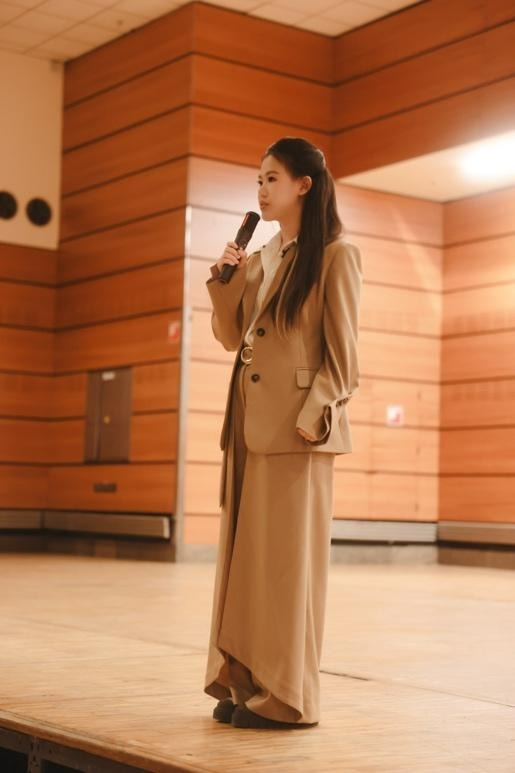
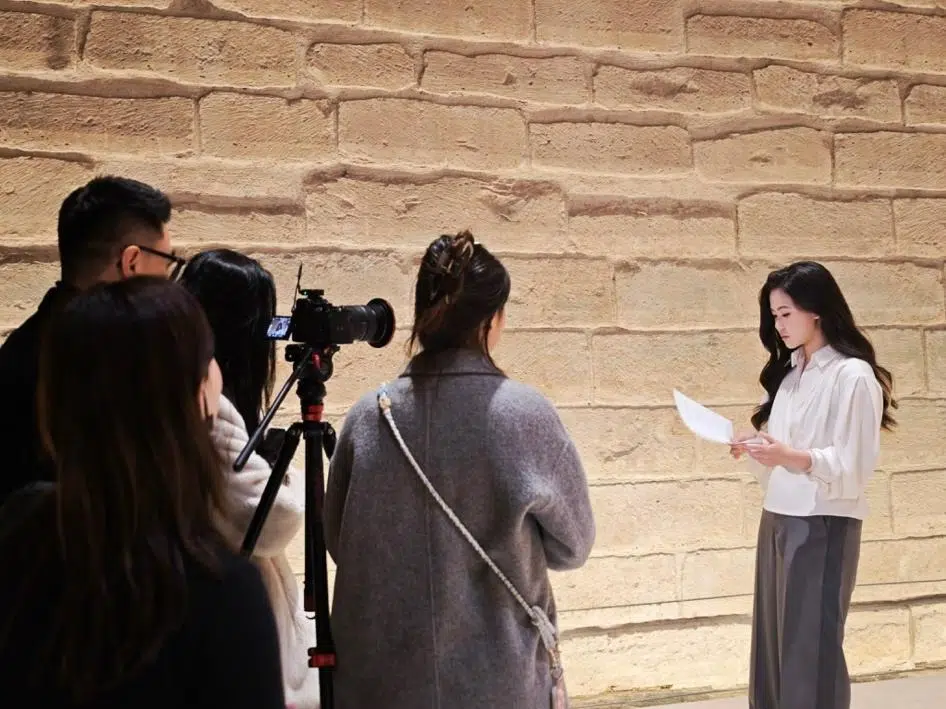
Huang served as a youth spokesperson for the exhibition and opened the event with a speech titledCreating the Uncontrollable: The Birth of a New Artistic Force.
Her argument was blunt: today’s art education often gets stuck in technical instruction and predictable outcomes. Instead, she urged educators and institutions to build open spaces where young people can “let go” creatively, taking risks, collaborating, and shaping meaning together rather than performing for approval.
“Real youth leadership isn’t just speaking for yourself,” Huang said, according to the organizers. “It’s also creating a platform where everyone can participate and co-construct meaning.”
Michel Soyer, an academic adviser to the exhibition described as an international culture expert, called Huang’s approach an “interesting contribution” to how art education is evolving in the 21st century.
An interactive installation built by many hands
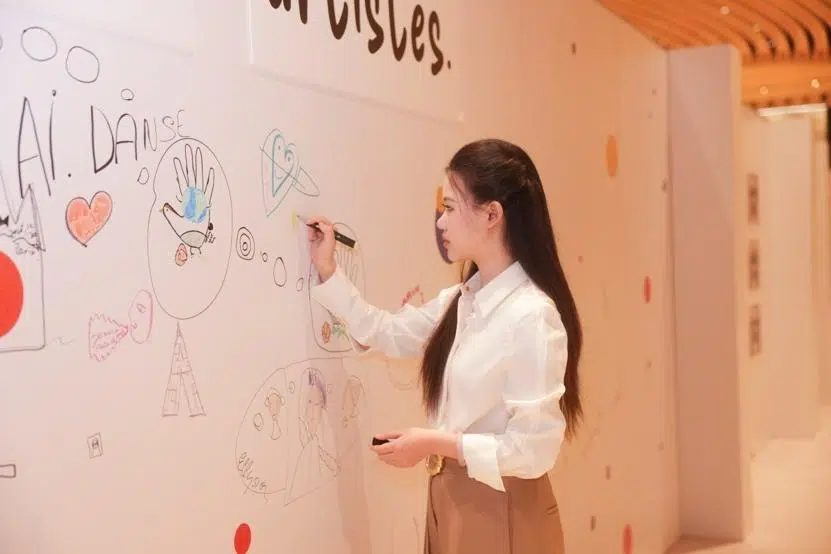
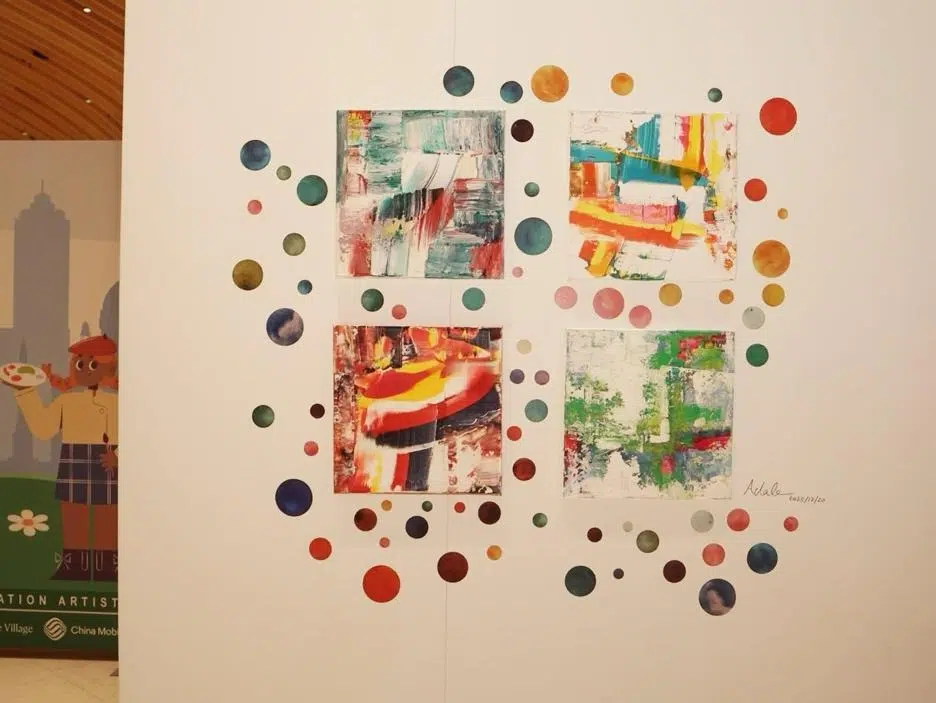
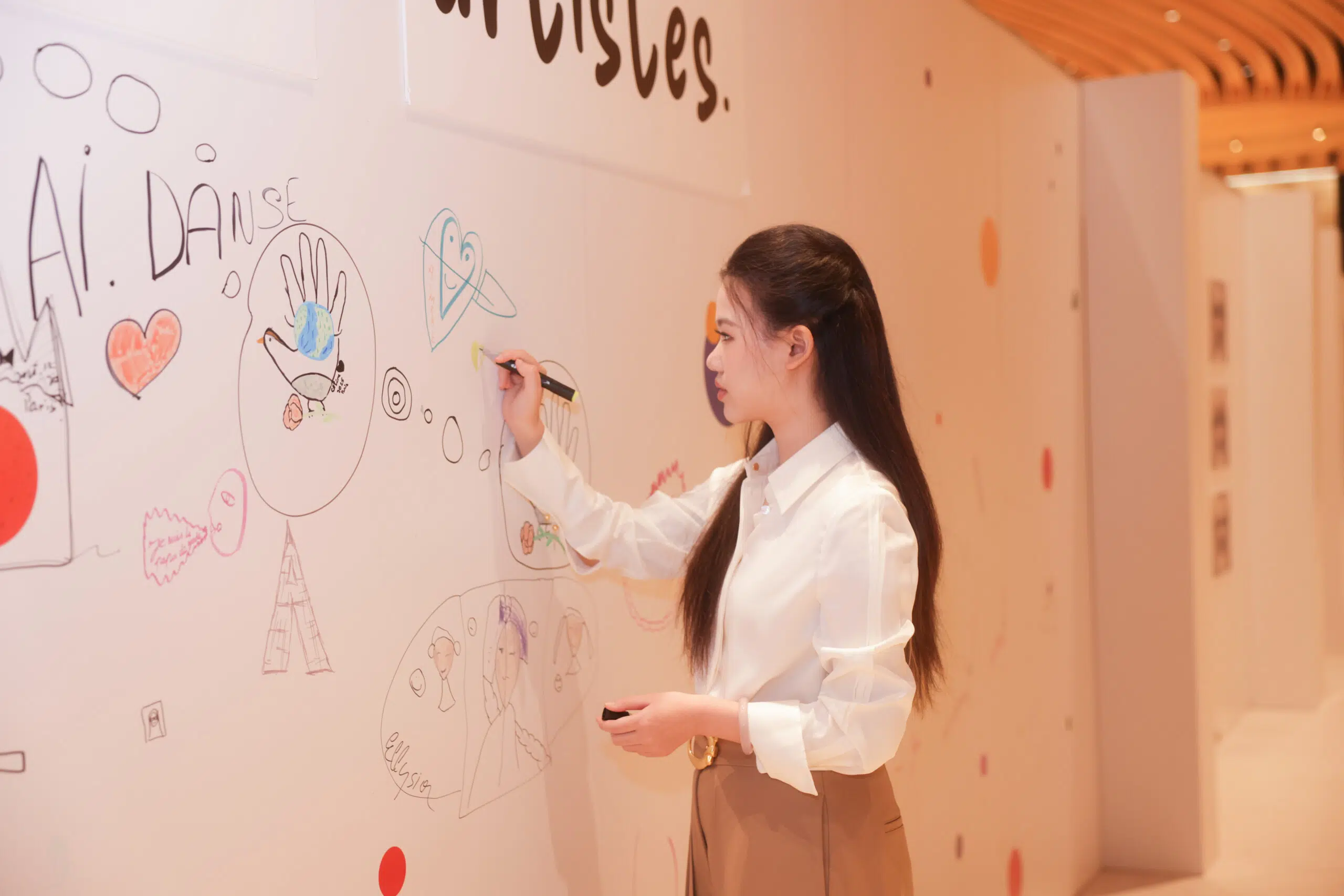
Huang also led an interactive installation titledLe Geste du monde(“The Gesture of the World”), designed as a collaborative painting process connecting young artists from five continents.
The piece uses collective mark-making, interlaced colors and lines, to mirror the messiness of global dialogue. Just as important, organizers said, it doubles as a public platform for cross-disciplinary and cross-cultural exchange.
The project builds on earlier presentations, including a 2022 showing tied to the Eiffel Tower in Paris, according to the article.
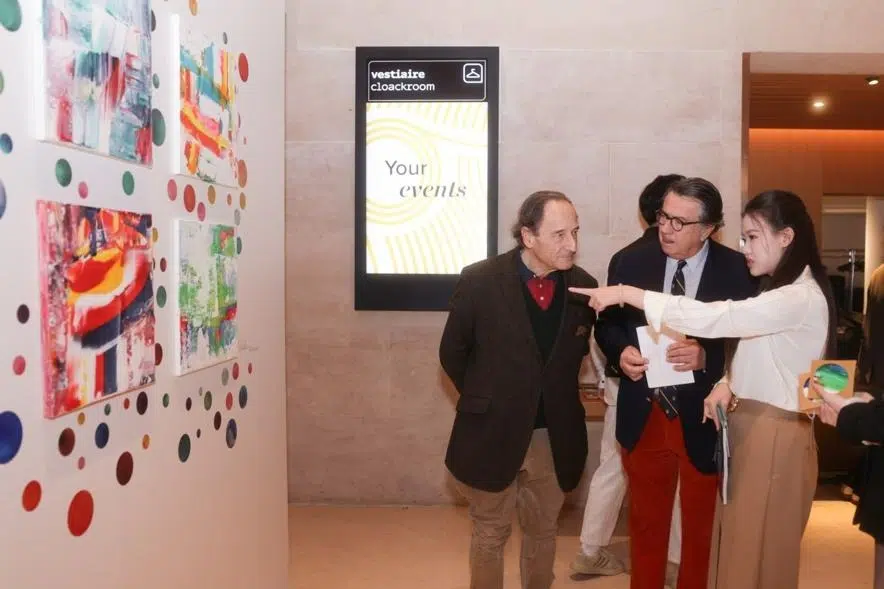
Jackson Arthaud, the European Artists Association’s public relations director, said Huang’s work reflects a shift “from cultural transmission to co-creating the future.” Philippe Eiffel, identified as president of the Association of Descendants of the Eiffel Family, said the installation highlights art’s potential while reflecting how young people think about social structures.
How digital preservation could fuel new creativity
During the exhibition, Huang also spoke with experts linked to Tsinghua University’s film and television research center, focusing on the digital conservation of China’s Mogao Caves in Dunhuang, an ancient Buddhist site famous for its murals and manuscripts.
Her takeaway: technology shouldn’t be treated only as a tool to archive the past. Used well, she argued, it can become a creative engine, helping young artists remix heritage, experiment with new forms, and reach wider audiences.
Organizers framed that blend of tradition, modern tech, and youth perspective as aligned with UNESCO’s broader push for cultural diversity.
What NEW ART POWER says comes next
Huang and her team plan to continue building NEW ART POWER within UNESCO’s youth programming, with the stated goal of creating a more inclusive, innovative, and sustainable international network for arts education.
The Louvre show, the article argues, wasn’t just a display of talent. It was a signal that youth-led art, especially collaborative, public-facing work, is increasingly being treated as a tool for community dialogue and a blueprint for new kinds of cultural cooperation.