

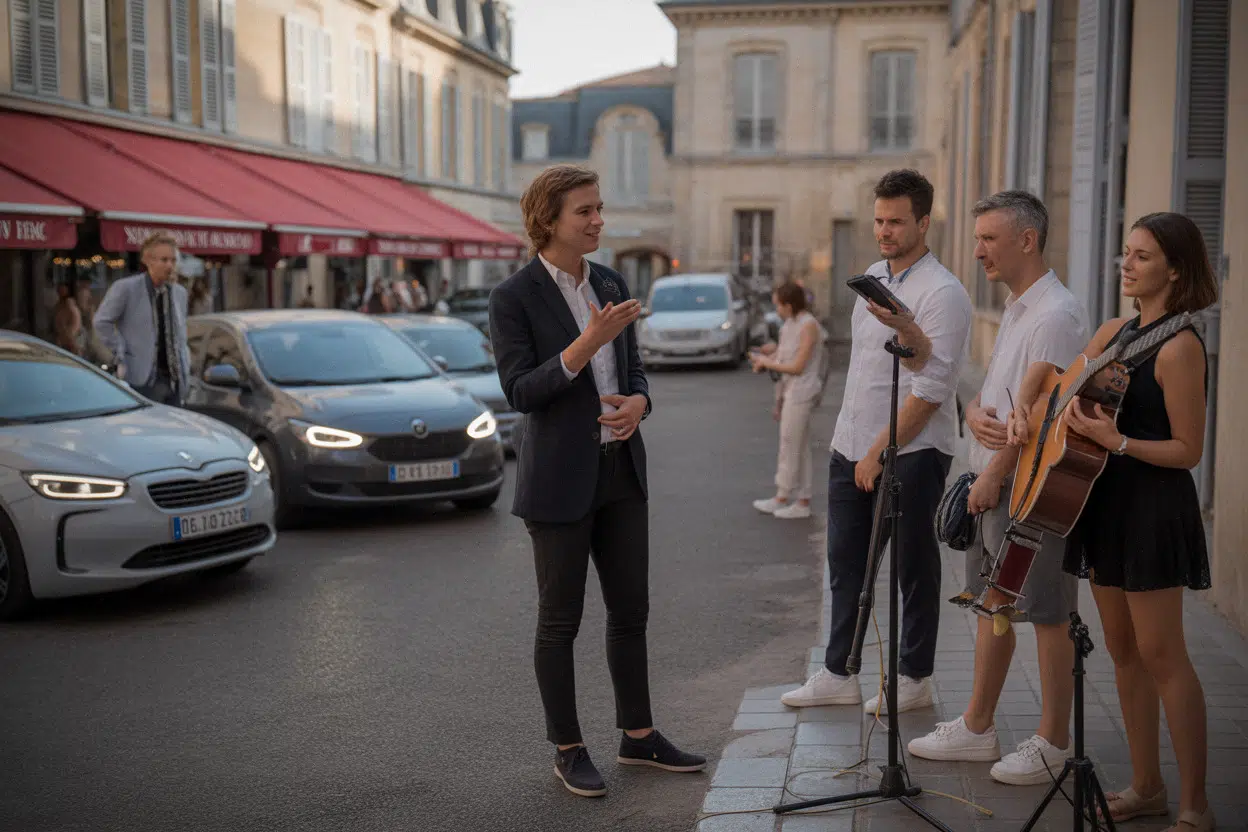
Châtel-Guyon, a small spa town in central France near Clermont-Ferrand, is stacking its downtown calendar for the weekend of July 24-26, 2026, with guided heritage walks, live music and city-center activities aimed at both visitors and locals.
Local listings and regional coverage describe a program built to make the town’s story easy to follow—linking its thermal-bath identity, architecture and cultural sites—with late-day start times designed to fit naturally into a summer outing.
The schedule pairs narrated strolls and open-site visits with concerts that extend the evening, with practical details—especially reservation and information contacts—shared through the town’s tourism channels.
Guided walks anchor the July 24-26 schedule
The guided-visit formats promoted for the weekend follow a straightforward approach: give people clear context for landmark sites without requiring any prior knowledge. Local event calendars point to guided tours held later in the day, with sign-ups handled through a published reservation phone number—an approach that helps organizers size groups and tailor the experience for families, first-time visitors and regulars.
Châtel-Guyon’s appeal for this kind of programming is its range of themes. The town’s spa history, the urban planning tied to health “cures,” resort-era architecture and religious buildings form a coherent set of stops. The goal, as described in the available information, isn’t a checklist of dates but an explanation of why the town developed the way it did—where facilities were built, how buildings changed, how people used the spaces, and how the resort evolved over decades.
Organizers also point to a broader summer schedule with tours offered on recurring dates, suggesting a well-established operation. For audiences, that typically means a guide who knows the route and can deliver tighter chronology, clearer architectural references and more confident answers to questions.
Practical details remain central: meeting points, duration, accessibility, registration rules and what happens if weather turns. Local sources indicate time slots starting in the late afternoon, making it easier to fold a visit into a day around the Clermont-Ferrand area. Later hours also take advantage of softer light—useful for reading facades and taking photos.
By pairing guided visits with music, the weekend also signals the town’s cultural strategy: learn a place’s story, then return for a concert or activity. In mid-sized communities, that combination can help keep people downtown longer instead of heading elsewhere for the evening.

Sainte-Anne Church offers an easy entry point into local heritage
Among the sites highlighted in summer programming is Sainte-Anne Church, presented in public information as open and accessible, with free entry. In many French towns, churches serve as a natural gateway to local heritage because they’re central, easy to spot and tied to community narratives—social history, the town’s growth and the architectural choices of a given era.
Information available for 2026 emphasizes guided visits at set times during the summer, including a 3:30 p.m. slot mentioned in some publications. Even if the July 24-26 weekend isn’t the only period covered, the prominence of these tours in local communication underscores their role in the cultural offering: step inside, understand how the building was constructed, identify key features, and place it all within the town’s history.
As a teaching site, a church works on multiple levels. Guides can discuss layout, materials and restorations, as well as how the space is used—concerts, ceremonies and shared civic moments. For visitors less familiar with religious architecture, visual anchors such as the nave, stained glass and altar provide clear reference points. For more experienced visitors, the draw is often in the details: dating, stylistic choices and links to artisans or broader movements.
Featuring a church within a larger weekend program also reflects a heritage-management goal. Opening, supervising and explaining a site can reduce misunderstandings and inappropriate use while building support for future preservation work—especially in smaller towns where maintenance budgets are often tight.
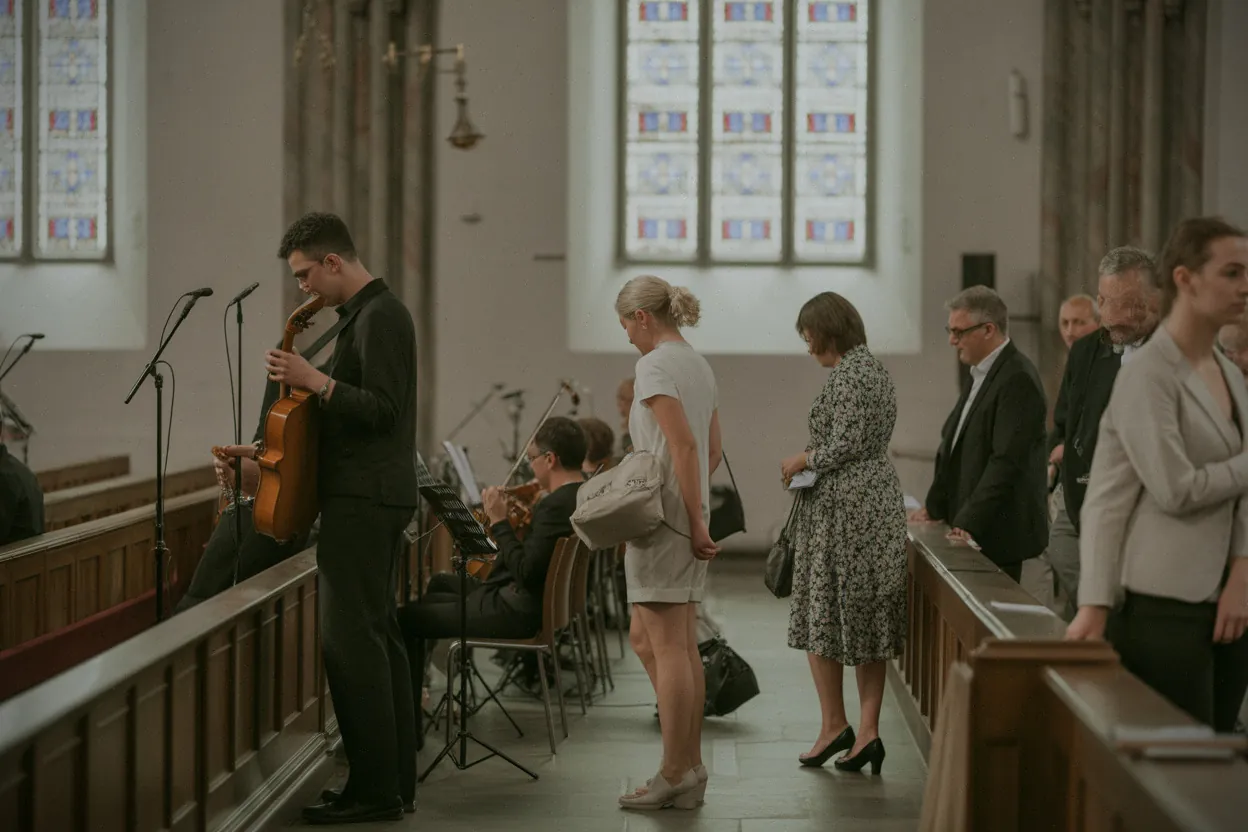
In a weekend that mixes tours and concerts, these spaces can also become listening venues. The acoustics, cooler interior temperatures during hot spells and the solemn setting can appeal to audiences looking for something different from an outdoor stage, while giving organizers a way to vary the mood and tie music to a specific historic place.
Concerts—including jazz—aim to broaden the crowd
The weekend program in Châtel-Guyon links heritage discovery with concerts, and local communications give visible space to music events, including jazz. The logic is twofold: it draws people who might not come solely for a guided tour, and it extends the outing beyond the strictly historical portion of the day.
For tourist-oriented towns, live music often acts as a turnout driver. Even smaller-format concerts create a reason to show up and a clear marker on the calendar. For local businesses, the effect is measured in foot traffic—more people downtown late in the day, more on-site spending and more movement through the streets. For audiences, it signals a lively town where you can linger, eat, stroll and then catch an event.
Listings referenced by local sources also point to late-afternoon start times for some activities, a common approach that captures people as temperatures drop and schedules open up. In spa towns, that timing can reach multiple groups at once: people in town for treatments, residents, day-trippers from Clermont-Ferrand and nearby areas, and travelers passing through.
If confirmed by local communication, jazz fits a familiar summer-programming model—widely perceived as approachable and adaptable to different formats and venues, from plazas and gardens to heritage spaces. For organizers, it can balance artistic ambition with broad appeal; for visitors, it offers a recognizable atmosphere without specialized know-how.
The key issue is clarity: exact times, locations, access rules, whether events are free or ticketed, and any capacity limits. Local sources direct the public to contacts and event calendars, signaling an effort to keep information current. Checking schedules—especially if weather is unstable—remains a practical step before traveling.
An artisan market puts local business at the center of the weekend
Beyond tours and concerts, locally distributed information also mentions an artisan market as part of the weekend lineup. In a town like Châtel-Guyon, that kind of event has a direct purpose: it spotlights producers, makers and craft know-how while adding daytime activity to complement late-afternoon programming. For visitors, it’s another way into “heritage”—not through buildings, but through practices, trades, objects and tastes.
The market also bridges tourism and local spending. Visitors can leave with something practical or symbolic, anchoring the trip in everyday life. For vendors, a busy weekend increases sales opportunities and visibility. For the town, the goal is straightforward: keep the center active, support economic life and offer an alternative to standardized retail circuits.
Online calendars—both official and run by event platforms—list these activities across July 24-26, 2026. That aggregation makes planning easier: pick a tour, identify a concert, then add a market stop or an exhibit. It also reflects how local information now circulates, with audiences relying on compiled event lists rather than a single poster or channel—pushing organizers to keep times, locations and contacts updated.
Logistics shape the experience, too: access, parking, traffic flow and any temporary pedestrian zones can determine whether a visit feels smooth or frustrating. Local sources mention phone contact for some activities, suggesting organizers are monitoring attendance. In summer weekends, managing crowds without degrading quality—long waits, noise, bottlenecks—is a familiar challenge, especially in heritage areas where streets can be narrow.
Taken together, the weekend’s mix of heritage, concerts and artisan commerce points to a broader local strategy: position Châtel-Guyon as a nearby cultural destination. Success often comes down to details—clear meeting points, strong guiding, a varied set of market stalls and a schedule that fits together. For the public, the payoff is immediate: a compact “all-in-one” outing where you can learn, listen and meet local makers within the same downtown area.
Key takeaways
- Châtel-Guyon is scheduling guided visits and concerts for the weekend of July 24-26, 2026.
- Guided routes highlight the town’s spa heritage and downtown architecture.
- Sainte-Anne Church is among the accessible sites featured through guided visits.
- Concerts, including jazz events, are positioned as a complement to heritage touring.
- An artisan market is included as part of the weekend’s activity and local-economy focus.
Sources
https://www.europe-infos.fr/actualites/10222/23-juillet-2026-3e-seance-de-hausse-kospi-en-forme-et-won-plus-fort-le-boom-des-puces-change-la-donne-en-bourse/
Key Takeaways
- Châtel-Guyon is offering tours and concerts over the weekend of July 24–26, 2026.
- The guided routes highlight the spa heritage and the architecture of the town center.
- Saint Anne’s Church is among the sites open to visitors and featured through tours.
- Concerts, including jazz events, round out the heritage experience.
- A craft market adds to the festivities and supports the local economy.