

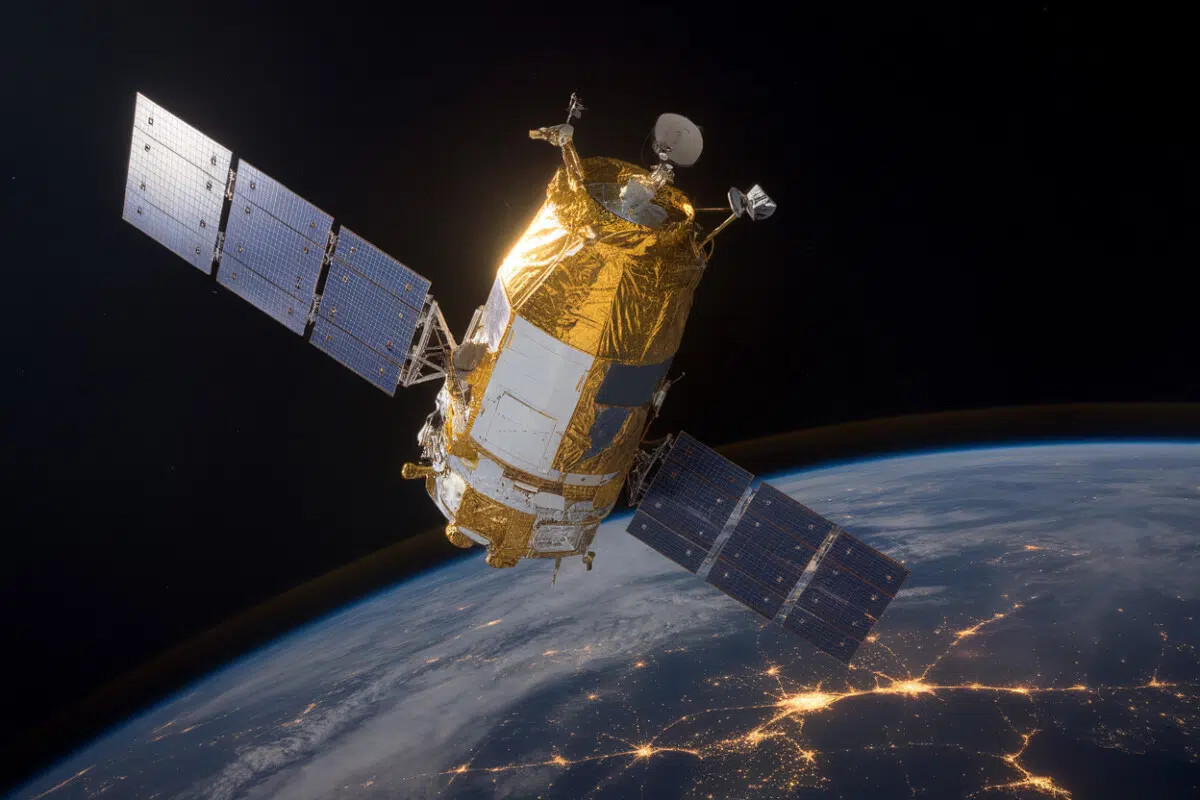
SpaceX is rolling out a new Starlink feature that could make “no service” a lot rarer in the United States: direct-to-device satellite connectivity that links straight to ordinary cell phones, even far from cell towers.
After a beta test with T-Mobile, the company says Starlink Mobile D2D is now available to customers on T-Mobile—and can also be used by AT&T and Verizon customers, without switching carriers or buying a new phone. The pitch is simple: when the nearest tower is miles away, your phone can still reach a satellite.
SpaceX already has more than 7,000 Starlink satellites in orbit and plans to add more capable next-generation satellites by 2027, a move that could widen coverage and boost performance. The expansion also puts SpaceX in a fast-moving race with other satellite-to-phone efforts, including Apple’s emergency satellite messaging features and satellite operator Globalstar.
From a bold idea to a nationwide beta
The Starlink-to-phone concept started as a high-profile partnership between SpaceX and T-Mobile aimed at filling coverage gaps—those frustrating stretches of highway, mountain roads, deserts, and rural backcountry where bars disappear. First announced in 2022, the project ran into delays tied to regulatory approvals, a common choke point when companies want to use wireless spectrum in new ways.
Once cleared to proceed, the companies tested the service with about 2 million users during a beta phase, gathering performance data and tuning the system. A key selling point: unlike some competing approaches, Starlink Mobile D2D is designed to work with existing phones rather than requiring customers to buy specialized hardware.
Technically, the service uses a slice of T-Mobile’s wireless spectrum to connect phones directly to Starlink satellites. That approach lets users keep their current plans and providers—one reason the beta reportedly drew strong interest from AT&T and Verizon customers who could try it without committing to T-Mobile.
SpaceX and T-Mobile also pushed the concept into the mainstream with a major ad buy, including a Super Bowl commercial—an expensive megaphone that helped turn a niche satellite feature into a dinner-table conversation.
Big Tech is paying attention
The commercial launch has drawn interest from major brands, including Apple, according to the article. Apple has already trained consumers to think of satellites as a phone lifeline through its iPhone satellite messaging and emergency features, and broader D2D support would raise the stakes for everyone in the mobile ecosystem.
Other players are chasing similar ideas, including Skylo Technologies, but none have matched Starlink’s scale. SpaceX’s advantage is brute force: a rapidly expanding satellite network already serving millions of internet customers, now being leveraged for mobile connectivity.
For users, the appeal is obvious in places where building and maintaining towers is difficult or uneconomical—remote work sites, offshore operations, wilderness areas, and rural communities. If satellite-to-phone links become reliable at scale, they could change expectations about what “coverage” means in America.
Amazon is also working on its own satellite internet effort, Project Kuiper, but SpaceX has a sizable head start in both launches and real-world usage.
What this could mean for AT&T, Verizon, and T-Mobile
For traditional wireless carriers, satellite-to-phone service is both a threat and an opportunity. If satellites can patch coverage holes, carriers may be able to reduce pressure to build towers in the hardest-to-reach areas—potentially lowering long-term infrastructure costs.
It could also reshape how carriers think about 5G buildouts. Instead of treating satellite and terrestrial networks as separate worlds, operators may increasingly blend them, using satellites as a fallback layer for basic connectivity while towers handle high-capacity data in cities and suburbs.
And strategically, partnerships with satellite operators like SpaceX could become a new competitive battleground—less about who has the most towers, and more about who can offer the most seamless “always-on” experience.
The technical and regulatory hurdles ahead
Even with early momentum, Starlink Mobile D2D faces real obstacles. One of the biggest is interference: using spectrum for satellite-to-phone links requires careful coordination so it doesn’t disrupt other satellite systems or terrestrial wireless services. That puts regulators in the middle, balancing innovation against the risk of degraded service for existing users.
There’s also the sheer logistics of running a giant satellite constellation. Satellites don’t last forever, launches aren’t cheap, and maintaining coverage and capacity means SpaceX has to keep sending hardware into orbit at a relentless pace.
Security and privacy are another pressure point. Any system that beams communications through space becomes a tempting target for interception or hacking attempts, and SpaceX will need to convince consumers—and carriers—that the links are protected.
Finally, global expansion won’t be one-size-fits-all. Telecom rules vary widely by country, and what’s approved in the U.S. may face delays or restrictions elsewhere.
What’s next: more satellites, more users, broader ambitions
SpaceX is betting that D2D is just the beginning. The company plans to deploy more advanced satellites by 2027 to improve service quality and reach, according to the article.
SpaceX also projects rapid adoption, with the potential for its user base to reach 25 million by the end of the year. If that growth materializes—and if performance holds up under real-world demand—satellite-to-phone connectivity could shift from a novelty to a baseline expectation, especially for rural America.
Over time, SpaceX could expand beyond basic texting into broader satellite-based services, including higher-speed data. That would raise new questions about competition, pricing, and how much of the mobile experience could eventually move off towers and into orbit.
If Starlink Mobile D2D works as advertised, it won’t just fill dead zones—it could redraw the map of what “national coverage” means, and force every major carrier and phone maker to respond.
Key Takeaways
- SpaceX has launched the Starlink Mobile D2D service for direct-to-device connectivity via satellites.
- The service is now available to customers of T-Mobile, AT&T, and Verizon.
- Starlink plans to increase its satellite capacity with more advanced satellites by 2027.
Frequently Asked Questions
How does the Starlink Mobile D2D service work?
The service uses a constellation of Starlink satellites to provide a direct-to-device connection, even in areas without terrestrial cellular coverage.
Who can access the Starlink Mobile D2D service?
The service is available to T-Mobile, AT&T, and Verizon customers, with no need to switch carriers or change plans.
Sources
- T-Mobile US launches Starlink D2D public beta
- There's Growing Interest in T-Mobile's Starlink Satellite Service – Ookla
- T-Mobile launches nationwide US satellite service with Starlink – DCD
- SpaceX cleared for Starlink capacity boost – Light Reading
- SpaceX plans upgrade of Starlink 'internet from space' | LinkedIn