

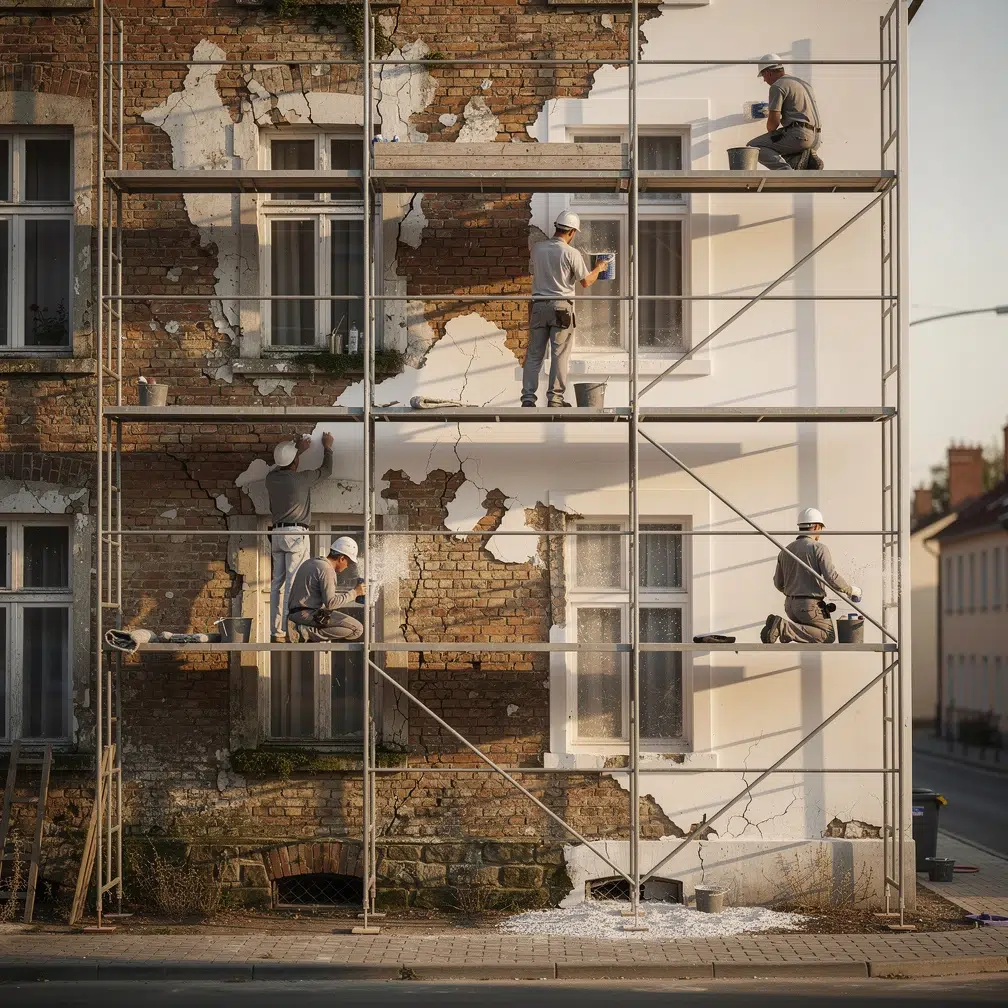
A fresh coat of plaster might make a home look better. In France, a full “facade renovation” is increasingly treated as something bigger: a chance, sometimes a requirement, to cut energy use, boost comfort, and raise resale value.
Heading into 2026, French homeowners weighing exterior work are being steered toward adding exterior insulation at the same time. The payoff can be real, energy losses can drop by as much as 25%, and the government and utilities are still offering stacks of incentives to soften the hit to your wallet.
Here’s what’s driving the trend, what financial help is on the table in 2026, and what homeowners need to know about insulation, materials, and the rules.
Facade work in France is becoming an energy project, not just a cosmetic one
In the U.S., homeowners might think of siding, stucco repair, or a repaint as curb-appeal upgrades. In France, “ravalement de façade” often comes with a second goal: improving the building’s thermal performance, especially when the project is substantial.
That matters because many French homes, particularly older ones, bleed heat in winter and overheat in summer. Wrapping the exterior in insulation can reduce drafts, stabilize indoor temperatures, and lower heating costs, while also protecting the structure from weather wear.
What financial aid is available in 2026, and how much it can cover
France’s renovation incentives can look like alphabet soup to outsiders. But the basic idea is familiar to Americans: combine government rebates, utility incentives, and low-cost financing to make energy upgrades easier to afford.
The centerpiece program is MaPrimeRénov’, a national subsidy that varies by household income and the type of work performed. When a facade renovation includes exterior insulation, MaPrimeRénov’ can cover a meaningful share of the bill, more for lower-income households, less for middle-income households, but still enough to move projects forward.
Other common supports include:
• MaPrimeRénov’: Can be combined for broader projects that bundle insulation with other upgrades.
• “Prime énergie” (energy bonus): Utility-linked incentives available broadly to homeowners who improve energy performance.
• Eco-PTZ: A government-backed, zero-interest loan that can finance up to about$33,000(up to €30,000) in eligible work.
• ANAH aid: Support from France’s national housing agency (ANAH), aimed largely at older homes and lower-income occupants; it can cover roughly30% to 50%of renovation costs in some cases.
• Local add-ons: Regional or municipal grants that vary by location.
The catch: stacking these benefits often requires planning ahead. Some programs require approvals or specific paperwork before work begins, and homeowners may need to use certified contractors to qualify.
Estimated amounts cited in the French article translate roughly to:
• MaPrimeRénov’:about$3,800 to $13,000(€3,500 to €12,000)
• Energy bonus:up to about$4,900(up to €4,500)
• Eco-PTZ:up to about$33,000(loan, up to €30,000)
Exterior insulation can cut energy losses by up to 25%
Exterior insulation, known in France as ITE (isolation thermique par l’extérieur), works like a thermal jacket. It reduces heat escaping during winter and helps keep indoor spaces cooler during summer heat waves.
The article estimates heating-bill savings can reach nearly25%with well-executed exterior insulation. For many households, that can mean saving the equivalent of several hundred euros a year, roughly several hundred dollars, especially in older homes that started out poorly insulated.
Results vary based on the home’s overall insulation, air leakage, and heating system. But as a long-term investment, exterior insulation is often one of the more cost-effective upgrades, particularly when subsidies reduce the upfront cost.
Choosing materials: durability, performance, and the look of the neighborhood
Material choice can make or break a facade project. It affects how long the finish lasts, how well the home performs thermally, and whether the renovation fits local architectural norms.
The article groups today’s common options into three broad categories:
• Traditional renders/plasters (enduits): Typically the budget-friendly route and a good match for classic facades, though they offer limited thermal protection on their own.
• Mineral or bio-based insulating panels: Designed to deliver strong thermal performance and support broader energy renovations.
• Brick facings or cladding (bardage): Natural or composite materials that can deliver a durable finish and a distinct look.
Homeowners also have to weigh exposure to wind and rain, local design expectations, and how much maintenance they’re willing to take on. The French article recommends consulting qualified professionals to match the system to the building and avoid costly mistakes.
The legal angle: facade work can trigger energy-efficiency requirements
France has been tightening building-efficiency rules as part of its climate and energy strategy, closer in spirit to aggressive state-level energy codes in the U.S. than to a purely voluntary rebate system.
According to the article, significant facade renovations increasingly come with an expectation, sometimes an obligation, with technical exceptions, that homeowners address exterior insulation at the same time. Projects may also require filings with the local town hall (similar to pulling permits through a city building department), depending on scope.
Homeowners may need to:
• File a prior work declaration or obtain a permit, depending on the project.
• Meet current thermal/environmental specificationsunder French regulations.
• Use certified contractors(often required to unlock financial aid).
Some projects can face tighter compliance checks, and proof of conformity may be required at the end of the work, another reason planning matters.
Why it can pay off at resale: energy ratings now move the market
A renovated facade can boost curb appeal anywhere. In France, adding insulation can also improve a home’s official energy performance rating (DPE), a standardized score that has become a major factor in real estate listings and buyer decisions.
The article argues that the combination, better appearance plus stronger energy performance, can increase a home’s value and shorten time on the market. As France pushes tougher environmental expectations for housing, a home that’s already upgraded becomes easier to sell and easier for buyers to budget.
The bottom line for 2026: in France, a facade renovation is increasingly treated as a strategic investment, one that can lower energy bills now and protect property value later, especially when homeowners line up subsidies and follow the rules from the start.