

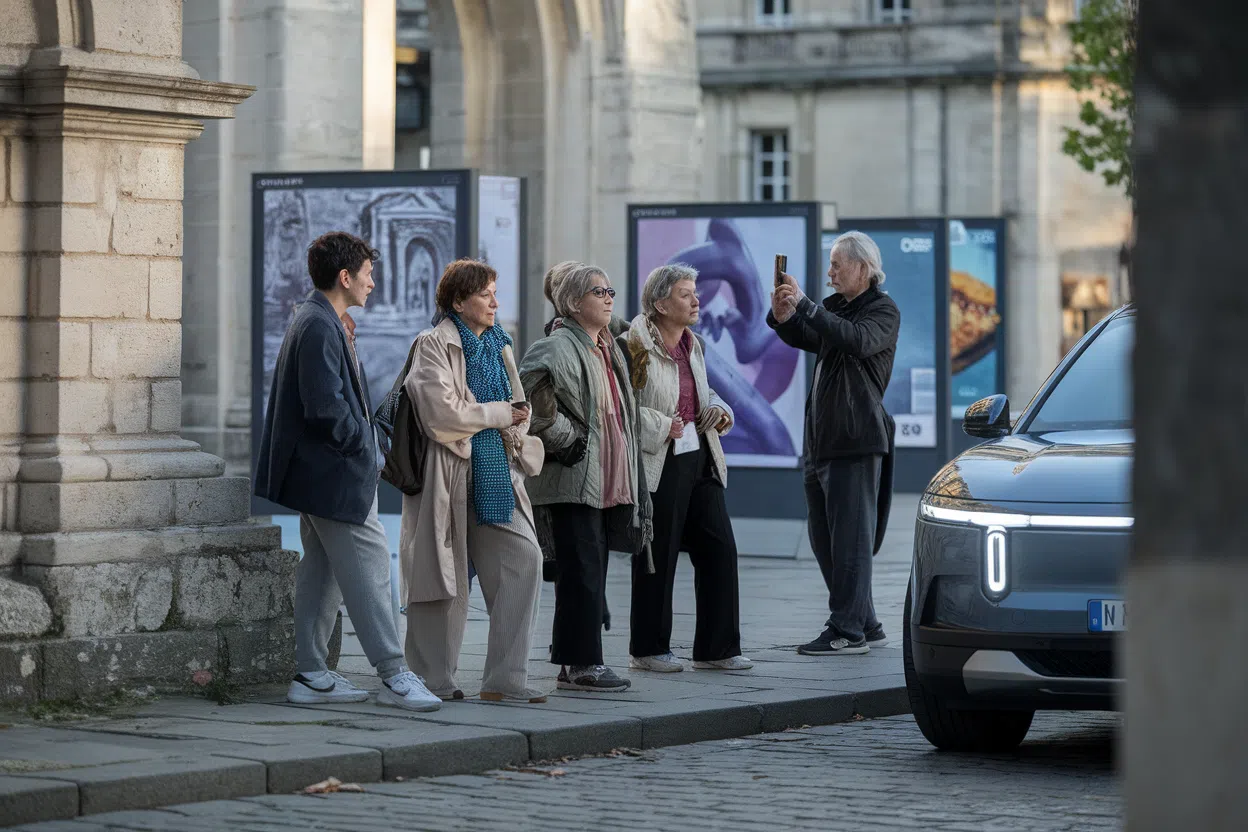
In the postcard-pretty town of Saint-Lizier in southern France, a local heritage group is betting that art can do what brochures can’t: get people to slow down, look closer, and move through the place with fresh eyes.
The nonprofit Patrimoine en Couserans is rolling out what it calls a “voyage artistique”, less a single exhibition than a curated, multi-stop cultural route that threads contemporary works through historic sites across town. The pitch is simple: don’t treat art like a pop-up shop. Treat it like a conversation with the landscape.
For American readers, think of a small, historic destination, something closer in feel to a preserved colonial village or a National Historic district, using a guided art trail to spread visitors across multiple locations instead of funneling everyone into one museum.
A “traveling” art experience built for a small town
Saint-Lizier sits in the Couserans, a rural corner of the Ariège department near the Pyrenees in southwestern France. It’s known for its deep history, this was once an episcopal city, meaning it served as a seat of a bishop, with layers of religious and civic architecture that still shape the town’s identity.
Patrimoine en Couserans is trying to turn that built-in appeal into a structured cultural itinerary: a clear route, multiple stops, and time to meet people involved in the project. Organizers want visitors to move from point to point following an artistic thread, rather than treating each site as a standalone attraction.
The logic is practical as much as artistic. In rural areas like this, cultural programming often depends on small nonprofits, volunteer networks, and partnerships with municipalities and property owners. A “route” format makes scattered offerings easier to understand, and easier to attend.
Why this matters in rural France, and why it’s familiar in the U.S.
Across France, small towns are trying to strengthen cultural tourism without sanding off what makes them distinctive. Saint-Lizier already has a strong heritage brand; the challenge isn’t adding “one more event,” but offering a new way to read the territory, how art can interact with old buildings, everyday public spaces, and the surrounding landscape.
That’s a playbook Americans will recognize. From sculpture trails in small mountain towns to art weekends that activate historic main streets, the goal is often the same: extend visits, broaden the audience, and give local businesses a reason to see foot traffic beyond peak season.
In places where tourism can be highly seasonal, even a modest cultural draw can ripple out to restaurants, lodging, and shops, if the experience is easy to navigate and worth talking about afterward.
The unglamorous work that makes an art route succeed
Behind the scenes, a multi-stop event lives or dies on logistics: clear signage, reliable hours, welcoming staff or volunteers, and simple directions that don’t require insider knowledge. In small towns, organizers say attendance climbs when people immediately understand where to go and what they’ll see.
That’s especially true when visitors need to travel between stops. Even short distances can feel longer in rural settings if information is unclear or sites aren’t coordinated. The group is emphasizing visitor guidance, what the French call “médiation,” meaning interpretation and facilitation, from guided visits to explanatory materials and informal Q&A.
The goal is accessibility without dumbing anything down: give newcomers enough context to engage with the work, while still respecting the art and the setting.
Exhibitions, conversations, and context, not just art on walls
The programming model leans on a familiar mix: exhibitions, meetups with artists or speakers, and interpretive support that helps visitors connect the dots. Organizers want to avoid the common trap of displaying works without explaining why they’re there, or what the location adds to the experience.
In Saint-Lizier, the setting is the selling point. Historic spaces can sharpen how people see contemporary work, and the art can, in turn, highlight architectural details and everyday uses that locals may have stopped noticing.
Done well, it becomes more than a heritage tour and more than an art show. It’s a guided way of seeing a place, one that invites both residents and visitors to claim it as something living, not frozen in time.
A test run for bigger ambitions in the Couserans
Patrimoine en Couserans also sees the project as a template. If the group can successfully coordinate multiple sites and partners in Saint-Lizier, it strengthens relationships with the town government, venue owners, cultural partners, and tourism networks, and builds a method it can reuse elsewhere in the region.
But the biggest question is sustainability. Volunteer-led efforts can burn bright and burn out fast. The long-term future of the “artistic voyage” will depend on whether organizers can keep the concept clear, the experience smooth, and the workload manageable.
If they can, Saint-Lizier could carve out a distinctive niche: a heritage destination that doesn’t just preserve the past, but uses art to reinterpret it, one stop at a time.