

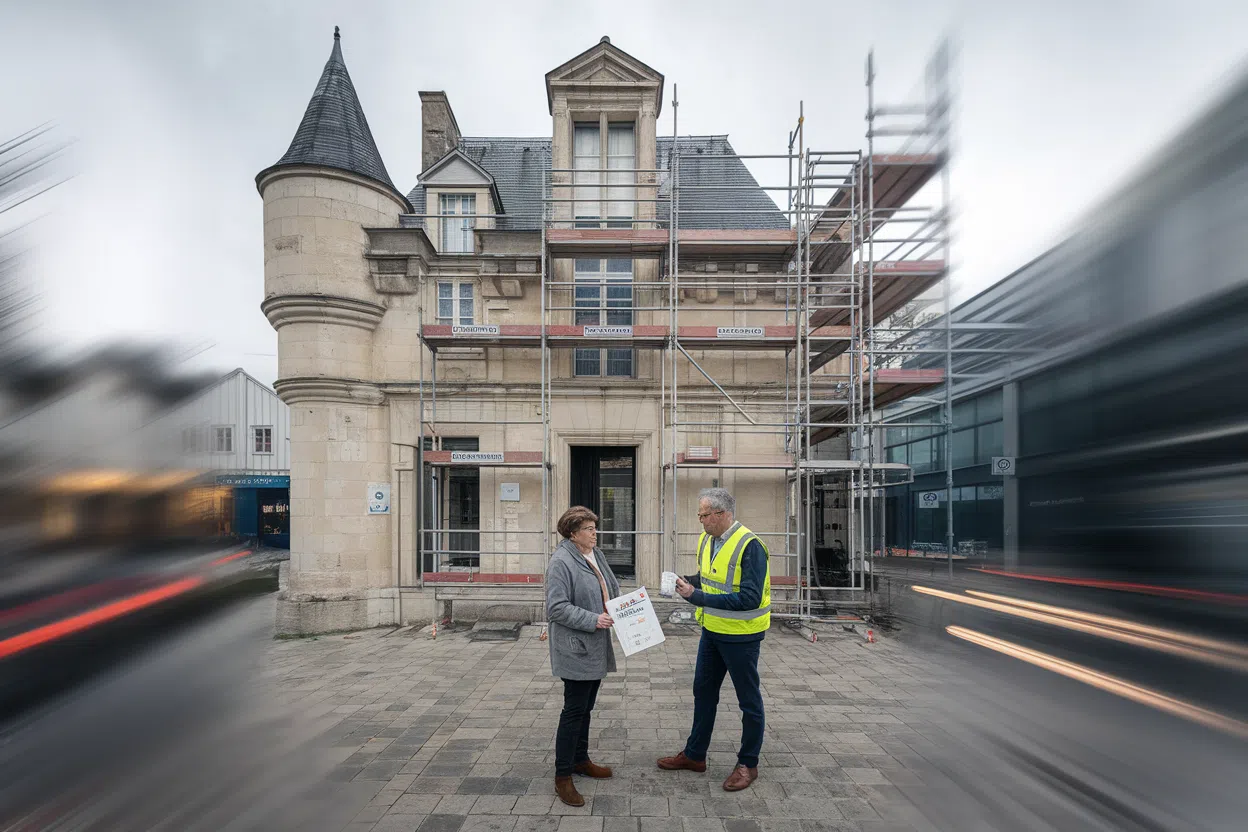
In Onet-le-Château, a small town in southern France, a castle renovation meant to anchor local history is running into a familiar problem: the money still isn’t all there.
Town leaders and project backers are renewing their fundraising push, warning that without more private donations, the restoration could slow down and stretch out. The pitch is straightforward, work is underway, but the budget gap hasn’t closed.
The effort reflects how many European preservation projects survive: a patchwork of public subsidies, local funds, and private giving. When costs rise or technical surprises pop up, as they often do in centuries-old buildings, philanthropy can become the difference between steady progress and a stalled construction site.
A renewed fundraising drive to keep the restoration on schedule
Organizers say the new appeal is designed to shore up a financing plan where every line item matters. Restoring a historic castle isn’t just about making old stone look good. It means paying for engineering studies, structural assessments, detailed surveys, roof work, moisture control, window and woodwork restoration, electrical upgrades, and modern safety requirements.
And then come the surprises: weakened roof framing, crumbling masonry, outdated utility lines that need replacement. Each discovery can push costs beyond early estimates, forcing the project to find new money, or delay the next phase.
The campaign is aimed at two groups: residents with an emotional tie to the site and local businesses that can contribute through French-style corporate patronage, similar to a U.S. company sponsoring a museum wing or underwriting a community landmark. For companies, the upside is visibility and civic goodwill. For locals, it’s about protecting a piece of the town’s identity.
Why “open to the public” drives up the price tag
The restoration isn’t just about preservation for preservation’s sake. The long-term goal is a castle that can actually be used, by visitors, community groups, schools, and the town itself.
That public-facing mission comes with expensive, often invisible requirements: safe circulation routes, lighting, heating, restrooms, emergency exits, and accessibility upgrades for people with disabilities. Those features rarely show up in the final photo-op, but they determine whether the building can legally, and safely, welcome the public.
Project leaders are also pitching the castle as a cultural hub that could host exhibits, heritage tours, association meetings, and municipal events. The broader the use, the stronger the argument for community fundraising, but also the greater the need for a realistic operating plan so the building doesn’t end up beautifully restored and mostly empty.
Inflation, technical surprises, and slow-moving subsidies squeeze budgets
Like renovation projects in the U.S., restoration work in France has been hit by higher material and energy costs in recent years, pushing bids and change orders upward. Even when contracts are signed, additional work can become unavoidable once crews open up walls or inspect aging structures up close.
Public subsidies, often from multiple layers of government, typically form the backbone of these projects. But government money doesn’t always arrive when contractors need to be paid. Grants may be tied to milestones, reimbursed after documentation is submitted, or capped at set amounts, creating cash-flow pressure even for projects that are “funded” on paper.
That’s why organizers argue private donations provide flexibility: a financial cushion that helps keep the schedule intact when the building reveals problems no initial inspection could fully predict.
Winning donors in a crowded charity landscape
The challenge isn’t just raising money, it’s raising money when everyone else is asking, too. Cultural projects compete with sports clubs, social services, and environmental causes for the same pool of donors and sponsors, especially in a tight economy.
Organizers say the way to break through is transparency: clear explanations of what’s already been completed, what comes next, and exactly how much is still needed. Successful campaigns, they argue, keep supporters engaged with regular updates, progress photos, and concrete goals, funding a roof section, a safe visitor route, or a specific room.
The fundraising plan is expected to mix online giving, checks, and donation drives tied to local events. A handful of large business contributions could accelerate the next phase, but small gifts matter, too, especially when they signal broad community buy-in.
How to donate
Organizers typically direct donors to an online fundraising platform, a mail-in check option, or donation opportunities tied to local events. The town or the group managing the campaign provides the exact instructions, including whether donations qualify for French tax incentives.