

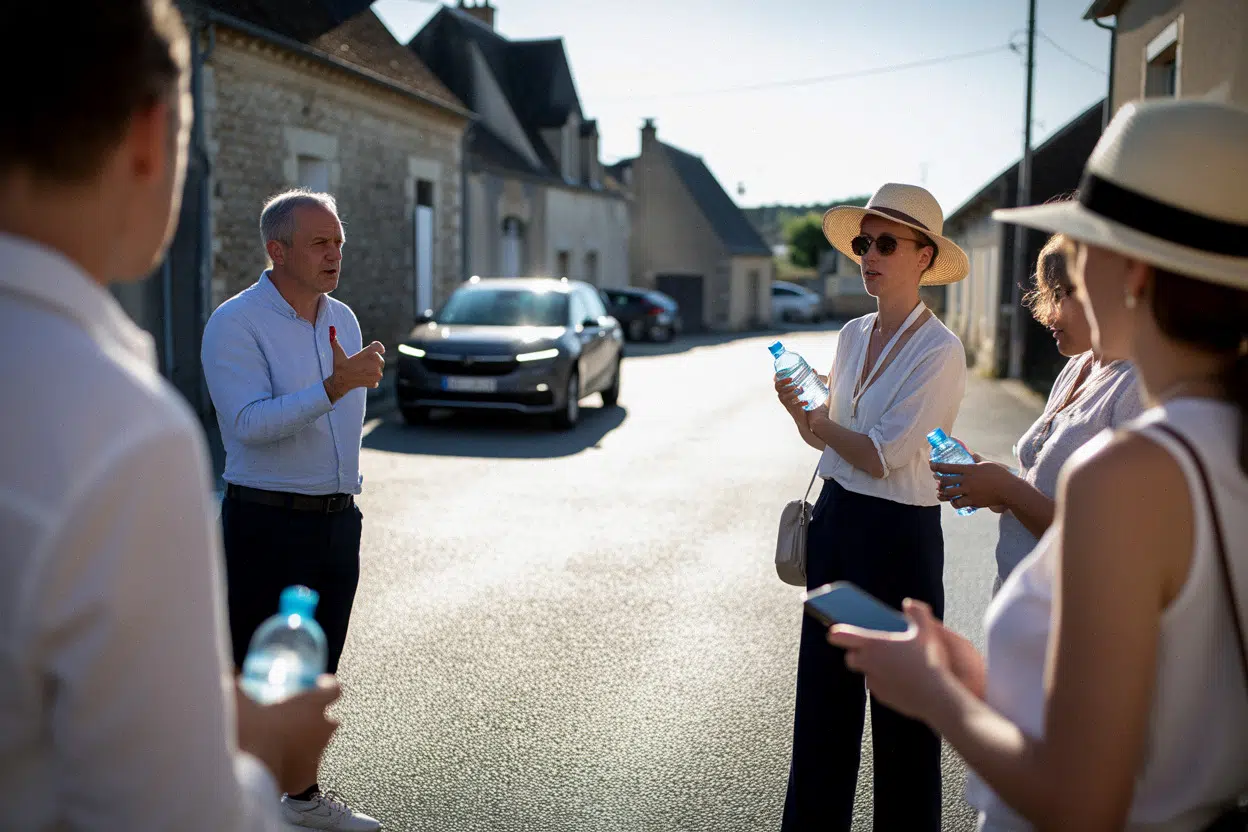
MURET, France — A July 2026 heat wave is forcing organizers of heritage programming in Muret, a town south of Toulouse, to make fast changes to guided tours, site openings, downtown walking routes and community meetups. Across the city, schedules are being reworked to keep visitors out of the most punishing hours, with safety and basic comfort driving decisions as much as cultural ambition.
Local teams say summer attendance in Muret is highly weather-dependent, and extreme heat is changing how people show up: visitors are more likely to opt for early-morning or evening formats, and turnout can swing quickly. Organizers also stress that the issue goes beyond convenience—heat raises liability and health concerns, especially for older adults, children and anyone with underlying vulnerabilities.
The result is a steady stream of case-by-case calls: keep an event, delay it, shorten it, or shift it to a shadier or better-ventilated setting. Volunteers, guides and city staff are building in more breaks and watching closely for signs of heat illness, turning the heat wave into a central factor in Muret’s summer cultural calendar.
Muret’s city hall shifts tour times to avoid the hottest hours
Municipal services in charge of heritage activities are moving start times away from the most exposed windows of the day. The goal is straightforward: reduce time spent in direct sun, particularly in mid-afternoon, when street-level heat can climb faster than temperatures measured in the shade.
In Muret, tours of the historic core and built-up districts are especially affected because they involve slow walking, long stops and, at times, groups gathering on open, heat-radiating squares. Organizers are leaning toward earlier departures or late-day formats that better align with public safety.
That reshuffle comes with tighter communication demands. Time changes—and even last-minute postponements—have to be pushed out through the usual channels, with a real risk of confusion for casual visitors. City staff are urging people to check for updates before heading out, since an event that looks set the day before can be reconsidered the day of if conditions worsen.
On the ground, some routes are being shortened. An itinerary designed to run an hour and a half may be cut to an hour, focusing commentary on a handful of highlights to reduce fatigue, sun exposure and dehydration risk. Guides are also changing how they deliver stops, consistently seeking shade for explanations—under tree lines, near arcades, or against walls that block direct radiation.
Prevention messaging is being made explicit: water is essential, hats are recommended, and breaks are possible. Organizers emphasize that responsibility can’t rest solely on individuals; it has to be built into how tours are designed. In Muret, heat planning is becoming as fundamental as guide availability or reservations, with the watchwords being safety, adjusted hours, guided tours and vigilance during the heat wave.
In conversations with visitors, one question keeps coming up: cancel, or push ahead no matter what? Local leaders say they’re choosing a case-by-case approach, weighing participants’ ages, the type of route and access to places to cool down. That avoids blanket cancellations, but it requires quick decisions—and a willingness to make changes that won’t always be popular.
https://www.europe-infos.fr/actualites/9403/per-deblocage-anticipe-enfant-gravement-malade-ou-handicape-ce-qui-change-pour-votre-epargne-et-votre-fiscalite/

Volunteer heritage groups move more meetups into the evening
Local associations and volunteer-led groups that help showcase Muret’s heritage are among those feeling the heat constraints most sharply. Their events often run on light logistics—small teams and limited resources—so when high temperatures settle in, there’s less room to maneuver while still protecting participants and working around volunteers’ family and job schedules.
In that context, the most common fix is shifting to evening formats. Cooler temperatures make walking and listening easier, and the feel of the old center changes as traffic calms and light makes building facades easier to read. But evening programming also brings practical needs: supplemental lighting, times that work with transportation, and coordination with other summer events.
Organizers also anticipate a different crowd—more families, more punctual arrivals, and sometimes people less familiar with heat-safety guidance. The heat is even shaping content: long, dense talks with frequent stops are harder to sustain, even at night if the day has been stifling.
Volunteers are increasingly opting for shorter formats or themed segments. A visit might focus on a single architectural set—a square, a church, a row of older houses—rather than multiplying stops. The aim is to preserve the quality of interpretation without exhausting participants.
Visitors, for their part, are asking for comfort and clarity: water access, places to sit, and confirmation of start times before they come. Volunteers say these gatherings remain about sharing and discovery, but they can’t ignore the risks. The terms that come up most often are volunteers, evening tours, local heritage and adaptation to heat.
The shift is also changing attendance patterns. Some people who avoid daytime heat return in the evening, saving an event. Others drop out when the heat persists for days and fatigue builds. Organizers describe more volatile turnout—sudden spikes followed by lulls—an uncertainty that complicates planning but is increasingly becoming the norm in a strained summer season.
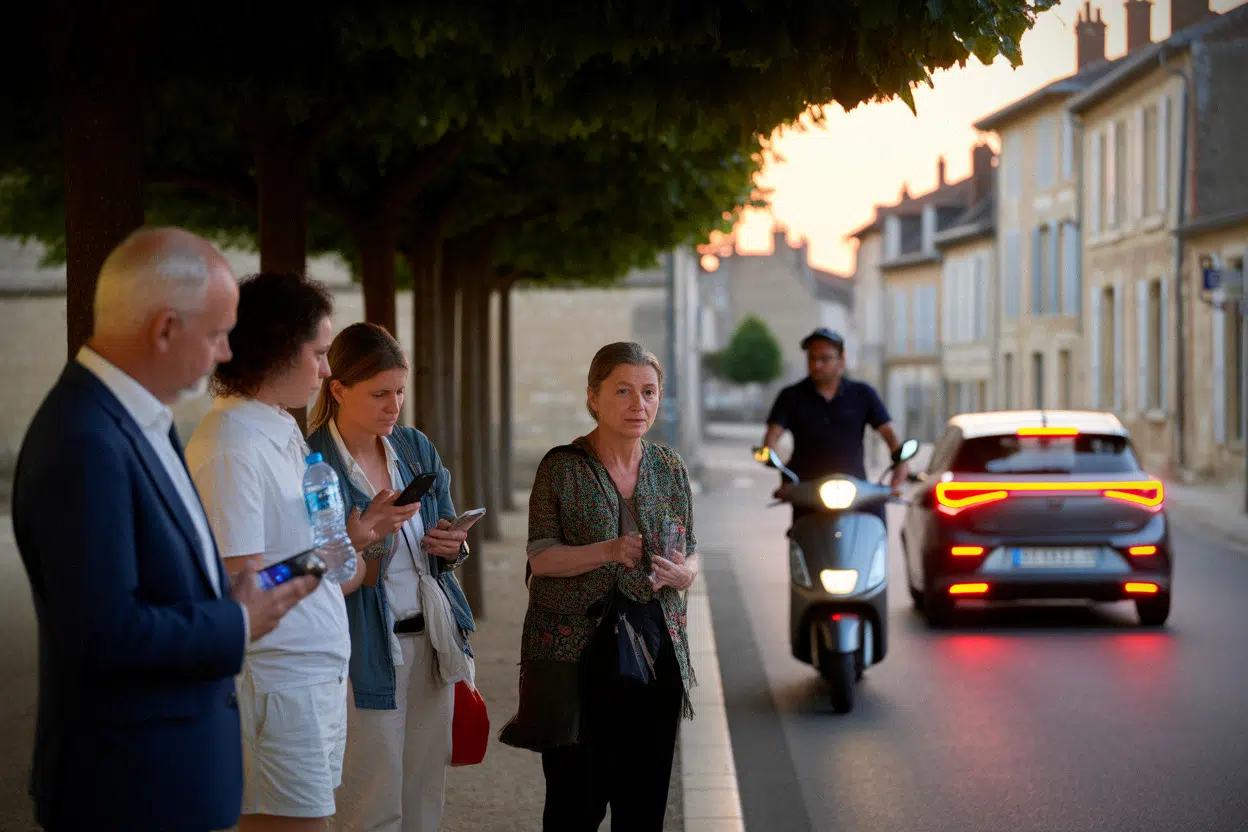
Indoor sites lean on shade and ventilation
As temperatures climb, heritage locations that offer indoor access—thick walls, shaded rooms, or spaces with ventilation—are becoming more attractive. In Muret, organizers are steering parts of some routes toward these interiors when possible, giving visitors a chance to cool down.
Organizers say the logic is simple: the heritage experience isn’t just about historical narration; it depends on the physical conditions of the visit. Heat can turn a cultural outing into a burden, especially for vulnerable visitors.
Making cooler spaces available adds another layer of management. Staff have to control flow, avoid overly dense clustering and respect capacity limits. Guides are also adjusting pacing by building in longer indoor pauses, which changes the rhythm of the overall tour.
There are material limits, too. In some buildings, extended openings raise conservation questions—especially if increased ventilation or frequent door openings create temperature swings. Managers are trying to strike a balance: welcome the public without degrading the site. That means stricter instructions about doors, accessible areas and how long visitors can remain in certain spaces.
Organizers also caution that shade isn’t always enough. When heat lingers, the air can stay heavy even late in the day. Indoor formats are therefore being prioritized during the most sensitive time windows, with careful attention to visit length. The keywords shaping these choices are indoor sites, ventilation, public reception and prevention.
The heat wave is also prompting longer-term programming questions. Cultural groups are considering more modular routes that mix outdoor and indoor segments, along with simple measures such as shaded waiting areas, clearly identified water points, and partnerships with nearby businesses or public places. In Muret, this heat episode is serving as a real-world stress test, pushing climate constraints into the earliest stages of heritage planning.
Downtown merchants see more uneven foot traffic
Schedule changes and postponements are rippling into downtown life. When a heritage tour moves to the evening, foot traffic shifts with it—potentially helping restaurants, cafes and ice cream shops while leaving daytime gaps. Merchants describe choppier patterns: short bursts of activity followed by very quiet stretches when the heat becomes too intense.
That irregularity makes staffing harder, especially for small businesses. Heat is also changing how visitors spend: people look for cold drinks, shaded breaks and air-conditioned spaces. Shops that can offer a temporary refuge may see more people passing through, even if purchases are small. Stores that require longer walks between stops are more likely to feel the drop-off.
Organizers say coordination with the local business community is becoming more useful—identifying water points, flagging places to shelter, and designing routes that avoid the most exposed areas can improve the overall experience. Cooperation can also reduce friction, such as when groups linger in front of narrow storefronts or block a passage.
Merchants also point to a reputational dimension. A calendar repeatedly disrupted by heat can make the city look fragile if communication is unclear. Clear adjustments and up-to-date information, by contrast, can signal competent management. The recurring keywords here are downtown, foot traffic, hours and heat.
More broadly, the situation highlights a shift: summer is no longer a stable backdrop for cultural programming. Professionals, associations and public services are building weather uncertainty into their methods, with fallback scenarios, shorter formats and real-time information. In Muret, the heritage calendar is still moving forward—but it’s now built around one dominant constraint: the ability to adapt quickly when the heat spikes.
https://www.europe-infos.fr/actualites/9357/succession-passoires-thermiques-bailleurs-a-bout-ces-vendeurs-presses-qui-rebattent-les-cartes-de-limmobilier/