


In the hilltop village of Saint-Antonin-Noble-Val in southwestern France’s Tarn-et-Garonne department, the 2026 cultural lineup isn’t being sold as a splashy festival season. Instead, it’s a steady stream of concerts, exhibitions, talks and family-friendly activities—most of them built and staffed locally—that’s now being pulled together in a single online calendar published by ladepeche.fr.
The idea is straightforward: gather the basics—what’s happening, when, where, and sometimes how to get in—so events that might otherwise be scattered across flyers, social media posts and word-of-mouth don’t get lost. In tourist towns like Saint-Antonin-Noble-Val, where seasonal crowds can quickly change turnout, that kind of centralized listing can shape whether visitors show up, and whether volunteer-run events can keep going.
Reading through the listings, a few themes emerge: a heavy emphasis on social, welcoming formats; a tight link between heritage sites and contemporary programming; and an effort to keep events accessible to a broad audience of residents, day-trippers and families. The calendar also highlights the practical questions that can make or break a night out—ticketing, capacity limits, transportation and food options—details that influence both the visitor experience and the spillover business for local shops.
ladepeche.fr centralizes Saint-Antonin-Noble-Val’s cultural listings
The dedicated Saint-Antonin-Noble-Val cultural agenda on ladepeche.fr is designed to solve a common small-town problem: fragmentation. In a place where programming is built by stacking initiatives from associations, artist collectives and municipal venues, announcements can easily scatter across different channels—local posters, social networks, and informal recommendations—leaving parts of the audience out, especially visitors who aren’t plugged into local information streams.
The calendar format also provides a basic layer of verification. Listings include the expected factual markers: title, date, location and a short description. For organizers, being featured acts as a visibility boost that can lend credibility, make sharing easier, and prompt last-minute decisions—an evening out with friends, a family outing, or a stop at an exhibition while passing through the valley.
For readers, the appeal is clarity: a date-ordered calendar and quick access to essential information. And because it’s web-based, it’s built for mobile use—often checked while traveling, from a rental, a café, or a trailhead parking lot. In that context, practicality matters as much as cultural content: an effective agenda answers “where, when, how much, and for whom” in seconds.
That centralization also ties into a broader visibility play for small destinations. When a village appears in a calendar read beyond its immediate area, it can become more attractive to outsiders. The benefit is indirect but real: someone who comes for a concert may stay longer, spend money locally, and recommend the destination later—an effect tourism offices know well, and one that depends on reliable, updated, sufficiently detailed information.
https://www.europe-infos.fr/actualites/9438/a-san-francisco-limmobilier-semballe-avant-les-ipo-des-geants-de-lia/
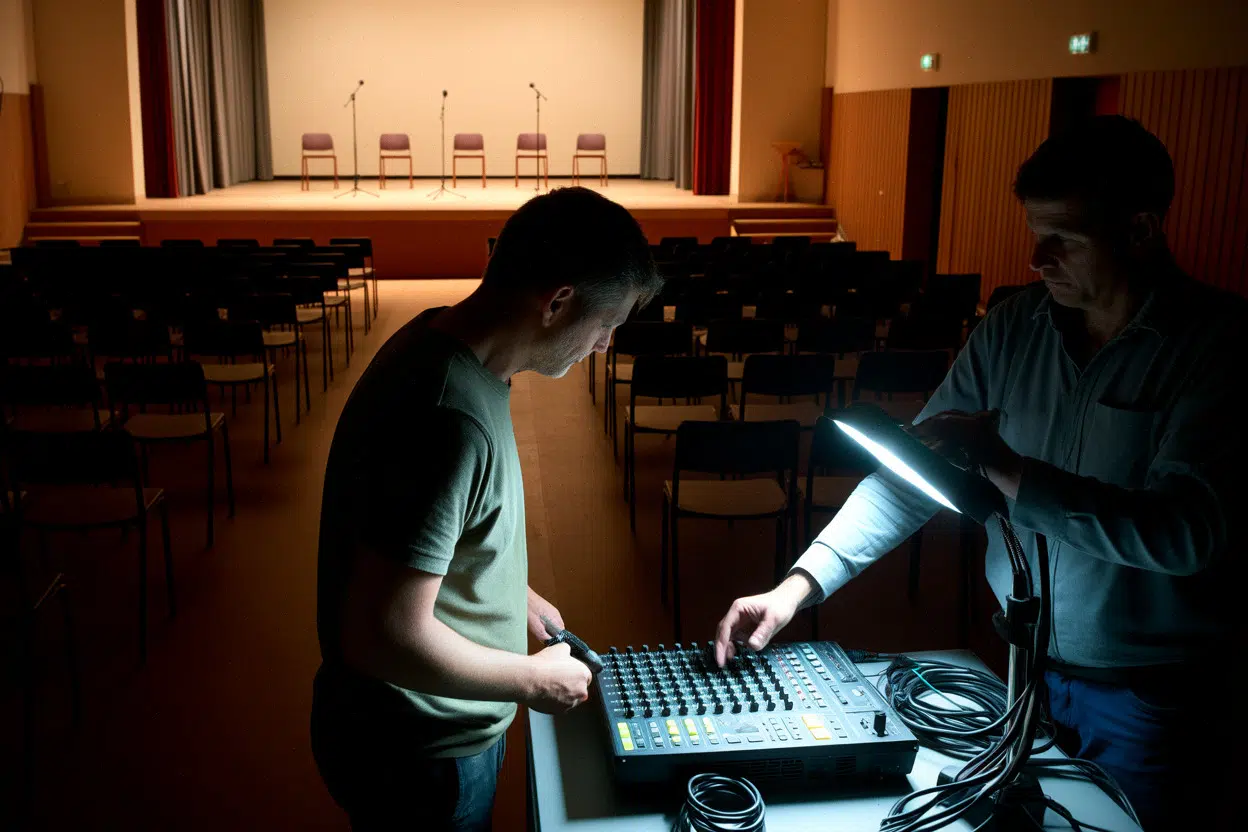
Venues and heritage sites shape what gets programmed
In Saint-Antonin-Noble-Val, the cultural agenda reflects a simple on-the-ground reality: events exist because there are places to host them. The village’s historic setting naturally influences what’s possible. An old town center, public spaces, meeting rooms and exhibition sites form the backbone—and each location brings constraints such as acoustics, capacity, accessibility, hours and neighbors, which in turn steer organizers toward certain formats, from intimate concerts to family activities.
Organizers often rely on multipurpose spaces that can shift from a lecture to a screening, from a workshop to an exhibition. That flexibility is crucial in towns that don’t have a long list of specialized facilities. It also comes with logistics—setup, sound, security, and sometimes crowd management—details that matter even more when entry depends on reservations or limited capacity.
The immediate environment also shapes timing. Outdoor events depend on weather, which can lead to backup plans or carefully chosen time slots. Tourist season changes the equation again: attendance rises, and so do parking needs. In that setting, a calendar checked ahead of time helps people plan—pick a time, find a meeting point, and avoid unpleasant surprises.
Heritage, meanwhile, isn’t just scenery. It becomes a cultural resource—through visits, guided routes, interpretation and exhibitions tied to the area. When an activity takes place in a recognized landmark setting, it can draw people who might not have come for the artistic offering alone. The agenda becomes a bridge between tourism and culture, steering visitors toward experiences rooted in the place itself.
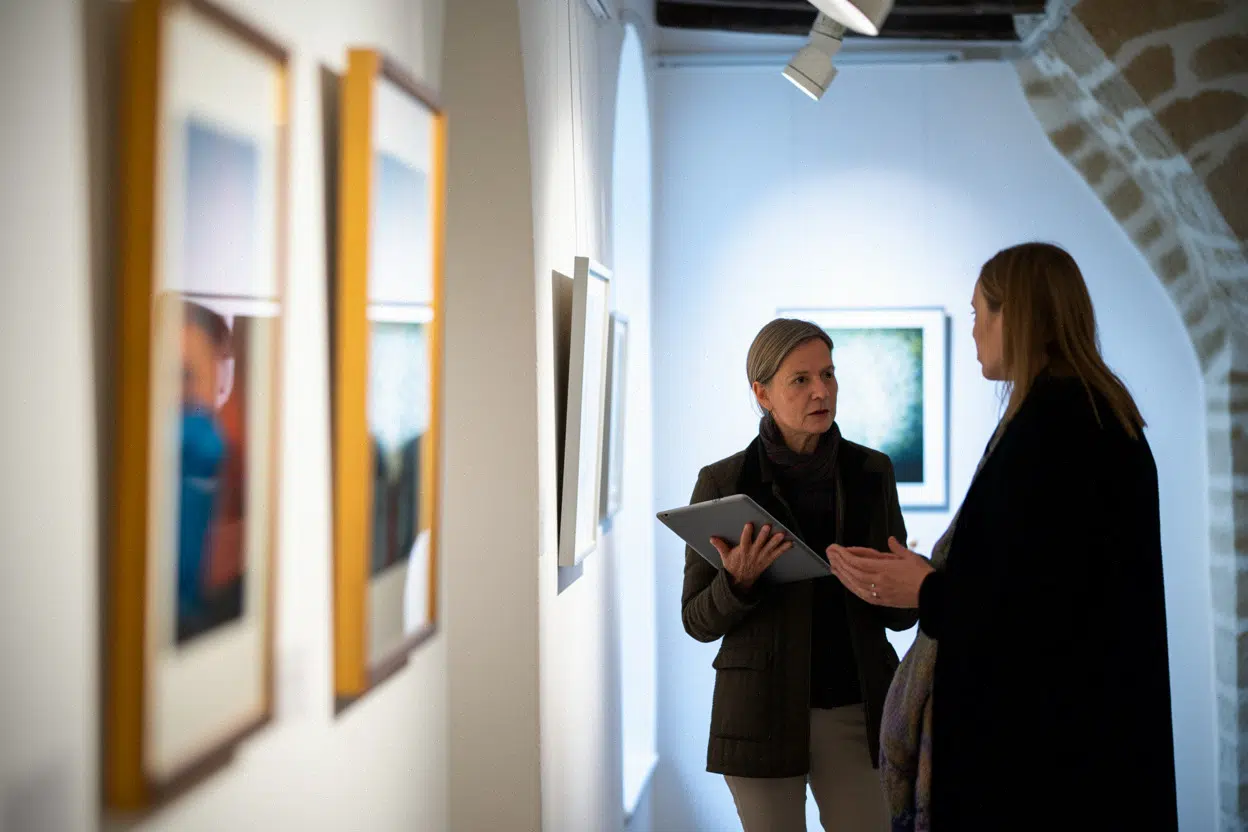
Concerts and live shows deliver an immediate attendance boost
Music events and live performances show up regularly in local calendars for a reason: they can quickly move people. A concert or show night turns an ordinary date into a gathering point, with direct effects on cafés, restaurants and lodging. In a village setting, even a few dozen extra people on the same evening can noticeably shift local business—especially outside peak tourist periods.
When musical programming is announced early, it also helps people plan how to get there. Attendees can arrange carpools, book a place to stay, or build an evening around a hike. In areas where public transportation may be less frequent at night, that kind of advance planning can be decisive. Organizers know it: the earlier information circulates, the more likely out-of-town audiences are to commit.
For municipalities, the value of a music night goes beyond the event itself. It can fit into a broader strategy of keeping the town lively, building a loyal local audience, and giving younger residents a reason to stay in town for a night out. Choices about style and scheduling affect who shows up—family programming earlier, more festive sets later—and precise listings about times, locations and access become a factor in making events welcoming.
Budget pressures sit in the background. Small events often run on fragile economics—pay-what-you-can models, reduced prices, and association support. Visibility on ladepeche.fr can affect the balance: a larger crowd reduces financial risk. If attendance follows, concerts and shows are more likely to become regular fixtures rather than one-offs.
Exhibitions and public talks spread cultural activity across weeks, not hours
Exhibitions and public events—talks, presentations and readings—work differently from live performance. Their strength is duration. An exhibition can be visited over days or weeks, spreading attendance and reaching different audiences. In a tourist town, that format also offers an alternative when weather makes outdoor activities less appealing or when visitors want something quieter.
For exhibitions, the calendar’s usefulness hinges on specifics: opening dates, hours and the exact location. Whether something is open daily or only on weekends can completely change a visitor’s plans. In areas where crowds swing sharply by day, that precision also prevents wasted trips.
Public talks, when they’re offered, contribute to a village’s cultural identity. They create direct exchange between speakers and audiences and reinforce a sense of community. For organizers, they’re also a way to highlight local projects—artistic creation, heritage initiatives and educational efforts. The payoff isn’t only measured in headcounts, but also in connections: new volunteers, memberships and partnerships.
Taken together, the agenda functions as a continuity tool. It places very different formats—an exhibition visit, a lecture, a workshop—on the same map, and lets people build their own cultural itinerary: come for an exhibit, stay for an evening event, or return another day.
https://www.europe-infos.fr/actualites/9396/2026-2-ans-apres-leur-arrivee-taxe-fonciere-moins-relevee-que-prevu-ce-que-les-nouveaux-maires-ont-fait-dinattendu/