

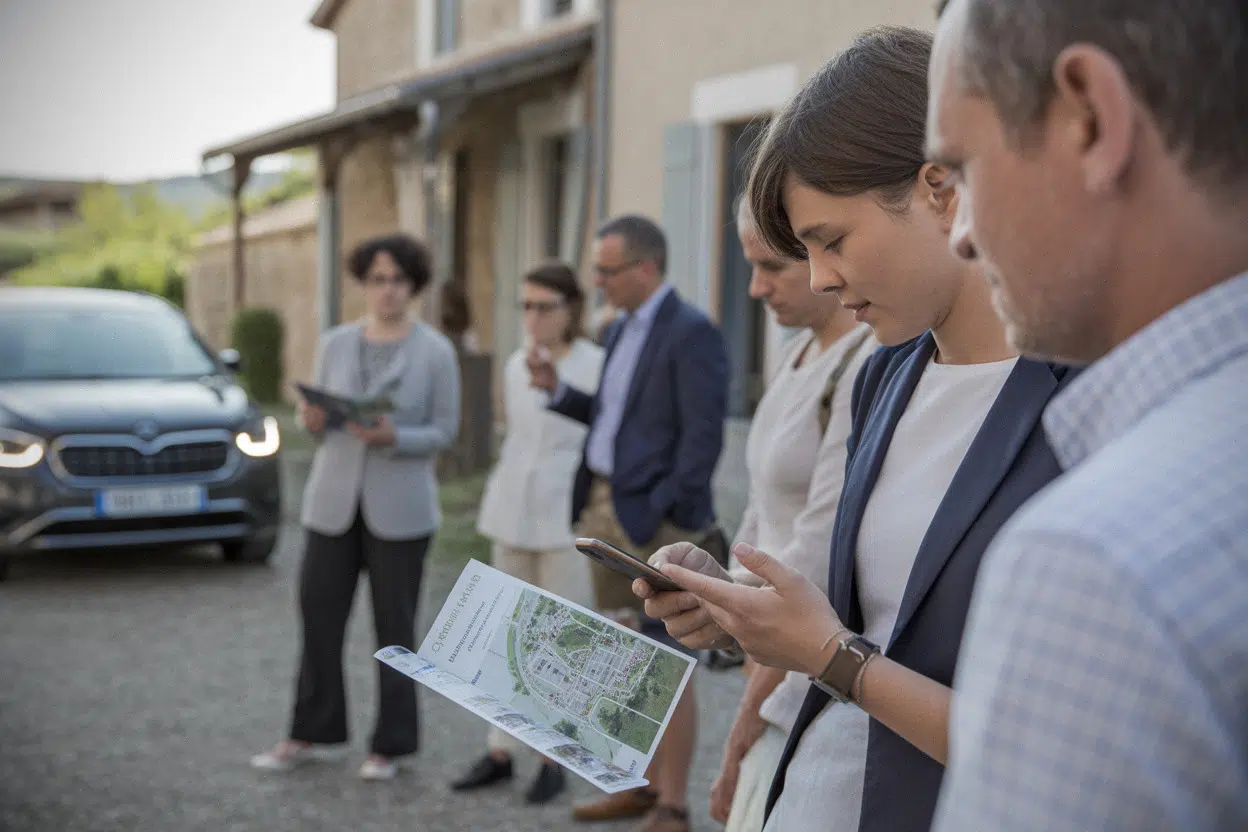
LADOUX, France — More than 30 people gathered July 4 in the small village of Ladoux for a hands-on heritage tour that focused less on famous landmarks and more on the fragile, everyday traces of rural life — old stonework, small agricultural structures, parish objects and local archives.
The visit was organized by the Union Sauvegarde du Rouergue, a volunteer-driven association dedicated to protecting and passing down heritage in Aveyron, a largely rural department in southern France. Reported by the regional newspaper Midi Libre, the event paired an indoor discussion session with a guided walk designed to do three things: tell a site’s story, pinpoint what threatens it, and explain what tools exist to preserve it.
The approach reflects a recurring challenge in villages across the region: nearby heritage often deteriorates slowly because funding is scarce, ownership can be unclear, or there’s no plan for how a building or site will be used once restored. The association’s answer is fieldwork — documenting conditions, making sites better known, and bringing together residents, elected officials, experts and potential patrons.
A July 4 gathering in Ladoux drew a steady crowd
The group met at Ladoux’s community hall before heading out on a structured, narrated route. According to Midi Libre, more than 30 people turned out to follow the Union Sauvegarde du Rouergue’s initiative — a turnout that signals consistent interest in local history and preservation.
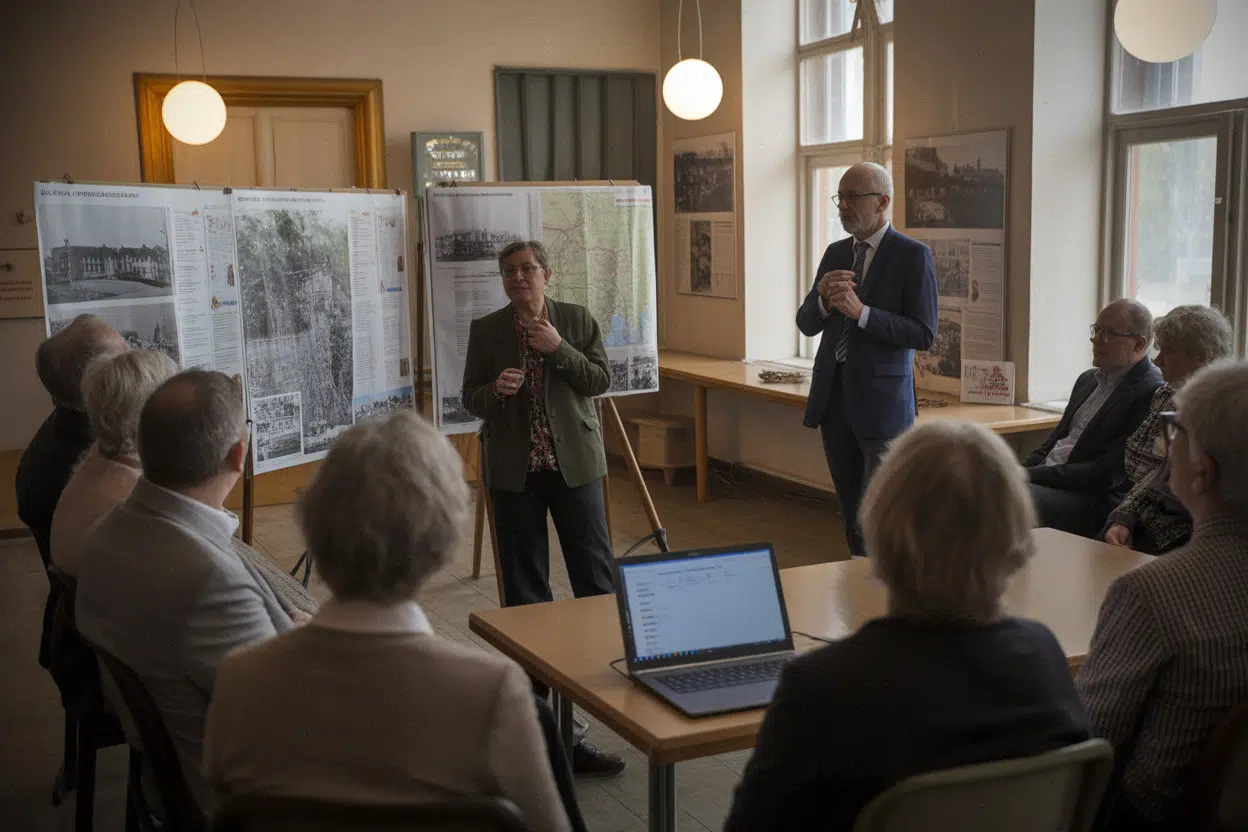
Starting indoors serves a practical purpose: it creates space to share maps, photos and sometimes archival documents, while also encouraging residents to add what they know. In rural areas, oral history can be crucial — family memories, old place names, and recollections of how a building was used can help reconstruct a timeline, explain alterations, or identify a former owner. That kind of collection work strengthens local memory and can feed into preservation files later.
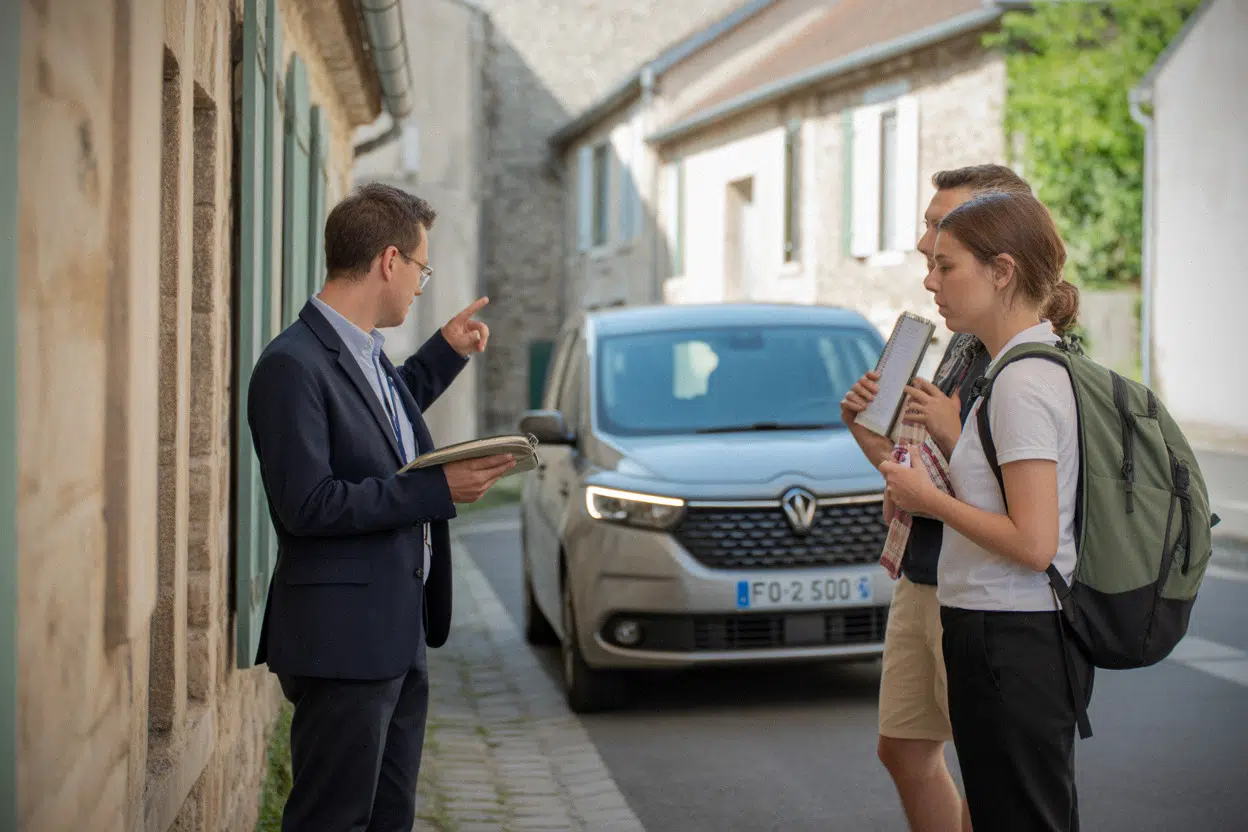
Outside, the tour shifts from talk to close observation. Participants look for details that are easy to miss in daily life — building materials, repaired masonry, stone surrounds, traces of older layouts, inscriptions. The conversations happen right in front of the evidence: a corner of a wall, a window opening, a carved date.
Organizers emphasized a simple idea: heritage isn’t only for specialists. By grounding the tour in what people can see, date and compare with other examples from the Rouergue area, the association aims to make preservation feel accessible — and to build a shared diagnosis that can support future requests to local governments, heritage services or funding programs.
https://www.europe-infos.fr/actualites/9596/en-2026-lia-sinstalle-dans-bureaux-usines-hopitaux-services-publics-ce-que-lhumain-doit-preserver-au-travail/
A volunteer network built around guided walks and local know-how
The Union Sauvegarde du Rouergue operates within a long-standing tradition in Aveyron: local associations keeping watch over the condition of buildings, sites, objects and archives. The Ladoux visit showcased a method aimed at making heritage “readable.” Behind what looks like a simple walk is advance scouting, route selection, historical preparation and the ability to answer detailed questions — work that depends heavily on volunteers who spend time researching, photographing and sharing what they find.
These outings also help expand the network around preservation. On site, organizers can identify who holds useful pieces of the puzzle: a resident with old photographs, a family with papers, a craftsperson familiar with restoration techniques. Talking about nearby places also makes abstract terms more concrete — restoration, diagnosis, heritage protection — by tying them to specific walls, roofs and documents.
Association publications reflect the breadth of what “heritage” can mean in the Rouergue: hamlets, towers, forts, cellars, wine presses, and themes linked to vineyards and wine in monastic settings. Other articles focus on archival collections or parish history. The message is consistent: preservation isn’t limited to major buildings; it includes everyday traces that shape a region’s identity.
Online posts from the association and its partners sometimes publicize open-to-all meetups and guided visits, complementing local word-of-mouth. In a tourist department where many people encounter villages while traveling, that digital visibility can draw visitors — and also newer residents looking to understand their surroundings. In that sense, the tour becomes a civic tool, offering a way to “read” the landscape.
Volunteer work doesn’t replace public policy, but it often provides the first alert when something starts to fail — a roof, masonry joints, water infiltration. The association’s strength, as described in the report, is turning those early warnings into usable documentation: photos, condition descriptions and guidance toward the right contacts. Whether a site gets help can depend on how well associations and local governments work together.
Preservation runs into the same barriers: money, paperwork and a plan for use
One reality comes up repeatedly on these tours: restoration is expensive, even for modest structures. Replacing a roof covering, repointing stone joints, or adding drainage can quickly exceed what a private owner or small municipality can afford. That’s why the visits don’t just celebrate what’s beautiful — they also identify what threatens a site and what would be needed to stabilize it.
France has multiple tools that can support preservation, including technical assistance, subsidies, private patronage and foundations. Midi Libre has previously reported on field visits by the Sauvegarde de l’Art français, where project leads examine sites that might qualify for help. Those efforts highlight a non-negotiable step: building a serious file — description, photos, work estimates and clear responsibility. Local associations can help communities and owners reach that threshold.
For municipalities, the tradeoffs are blunt. Budgets must cover schools, roads, water, energy and equipment, and heritage can fall down the list. But the logic can flip when older buildings contribute to a village’s appeal — tourism, attracting new residents, and local image. Tours like Ladoux’s aim to make those stakes visible without turning every building into a tourist product.
Funding isn’t the only obstacle. Use matters, too. Restoring a small structure without a plan for upkeep can lead to rapid decline. Public discussions often surface ideas: cultural uses, exhibitions, a heritage trail, or simply making a site safe to visit. That question of use sits alongside the technical work and pushes communities to treat heritage as something living, not just a burden.
The tours also reinforce basic preventive habits — monitoring moisture, controlling invasive vegetation, protecting notable elements during construction. In a prevention mindset, those small steps can delay major deterioration and reduce the cost of future intervention.
Why these walks matter: memory, transmission and civic engagement
In villages, local memory can fade quickly. One generation may still know what a building was for, where an old mill stood, or why a hamlet developed; the next may inherit only fragments. Heritage visits try to close that gap by putting names and stories back onto places — who built them, why, how people lived there, and what changed with rural depopulation, shifts in agriculture and evolving housing.
The themes explored in Rouergue heritage circles — vineyards and presses, Cistercian archives, priests and parish works, river basins, village trades — show how local history often lives in small details. A coat of arms on a presbytery, a tower, a fort, an old path can open onto a broader understanding. The tours encourage people to document those markers before they disappear.
That transmission can also shape civic participation. A resident who understands what they’re seeing is more likely to speak up when a construction project threatens an older element or when a building starts to fail. Associations can serve as an interface, keeping debates from collapsing into unproductive standoffs by bringing dates, comparisons and technical options to the table.
Organizers also see an intergenerational dynamic: older residents share memories, while younger participants bring tools — photography, geolocation, social media distribution — that can modernize how information is collected. The result can connect heritage to contemporary concerns such as energy renovation, local materials and reuse.
In Ladoux, the size of the group suggested the model still resonates. Beyond the day’s walk, the payoff is in contacts made, documents shared and future alerts — the small steps that can eventually lead to expert assessments, searches for aid or a municipal restoration program built on a clearer, shared understanding of what’s at stake.
https://www.europe-infos.fr/actualites/9539/11-juillet-2026-bruno-patino-lia-en-telecommande-inversee-comment-elle-pilote-nos-choix-et-rend-lhumain-obsolete/
Key Takeaways
- More than 30 people took part in the July 4 heritage tour in Ladoux.
- The Sauvegarde du Rouergue Association relies on guided tours and volunteer work.
- Preserving local heritage depends on assessment, uses, and funding.
- These outings strengthen collective memory and make it easier to pass on knowledge.