

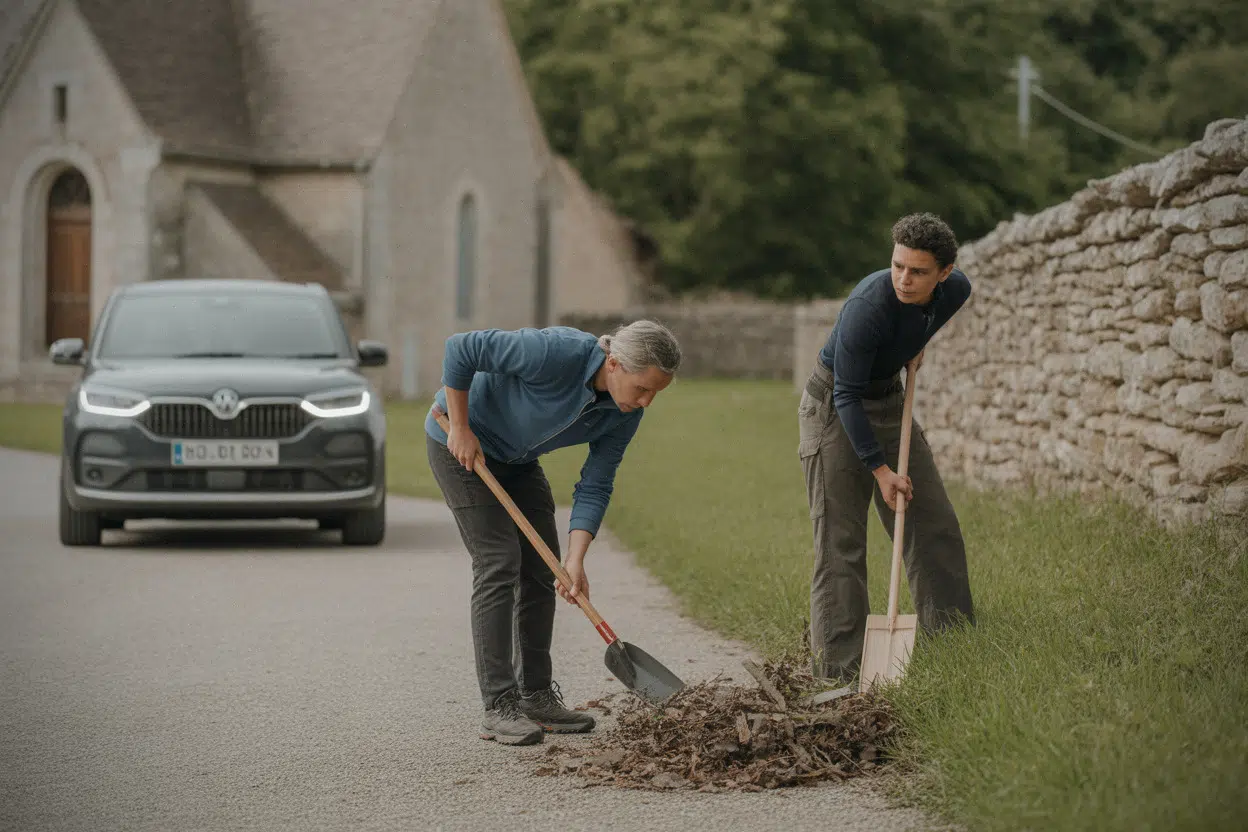
VIGNORY, France — In the hilltop village of Vignory in France’s Haute-Marne department, local history isn’t just what visitors see from the main square. Much of it happens behind the scenes—on work schedules, in hands-on preservation projects, and through a volunteer network that keeps the place legible and welcoming.
For 2026, the local nonprofit Histoire et patrimoine (“History and Heritage”) is laying out a packed agenda focused on showcasing the village, maintaining walking routes, and supporting restoration efforts, with special attention on the Saint-Étienne church. The group’s plan reflects a broader push across rural France: keeping small towns’ stories alive through guided visits and practical, on-the-ground work.
Volunteers wanted to reopen and maintain walking trails
At its general assembly, Histoire et patrimoine detailed several 2026 priorities, starting with a call for volunteers to help bring local trails back into shape. The goal is partly practical—regular upkeep prevents overgrowth, limits erosion, and makes passages safer—but it’s also about tourism.
Clear, accessible routes are key to attracting day-trippers, hikers, and guided groups. In Haute-Marne, similar “small” projects can make or break a visitor’s experience. A cleared trail isn’t just a path; it can also become a way to interpret the landscape, point out local stonework, or build a narrative around a viewpoint.
The group also framed volunteer turnout as a measure of organizational health. Trail work takes manpower, planning, tools, and sometimes agreements with the municipality or private landowners. At a time when many heritage groups are trying to refresh their ranks, the trail push signals an effort to build long-term momentum through recurring workdays rather than one-off events.
Organizers say the trail projects also help residents “reclaim” routes and share memories—informal local knowledge that can complement archives and feed into guided tours, strengthening the overall coherence of the association’s 2026 heritage work.
https://www.europe-infos.fr/actualites/9792/en-2026-vaccination-des-adultes-prevention-contre-la-mortalite-et-la-pression-sur-les-hopitaux-ce-lien-surprend-leconomie/
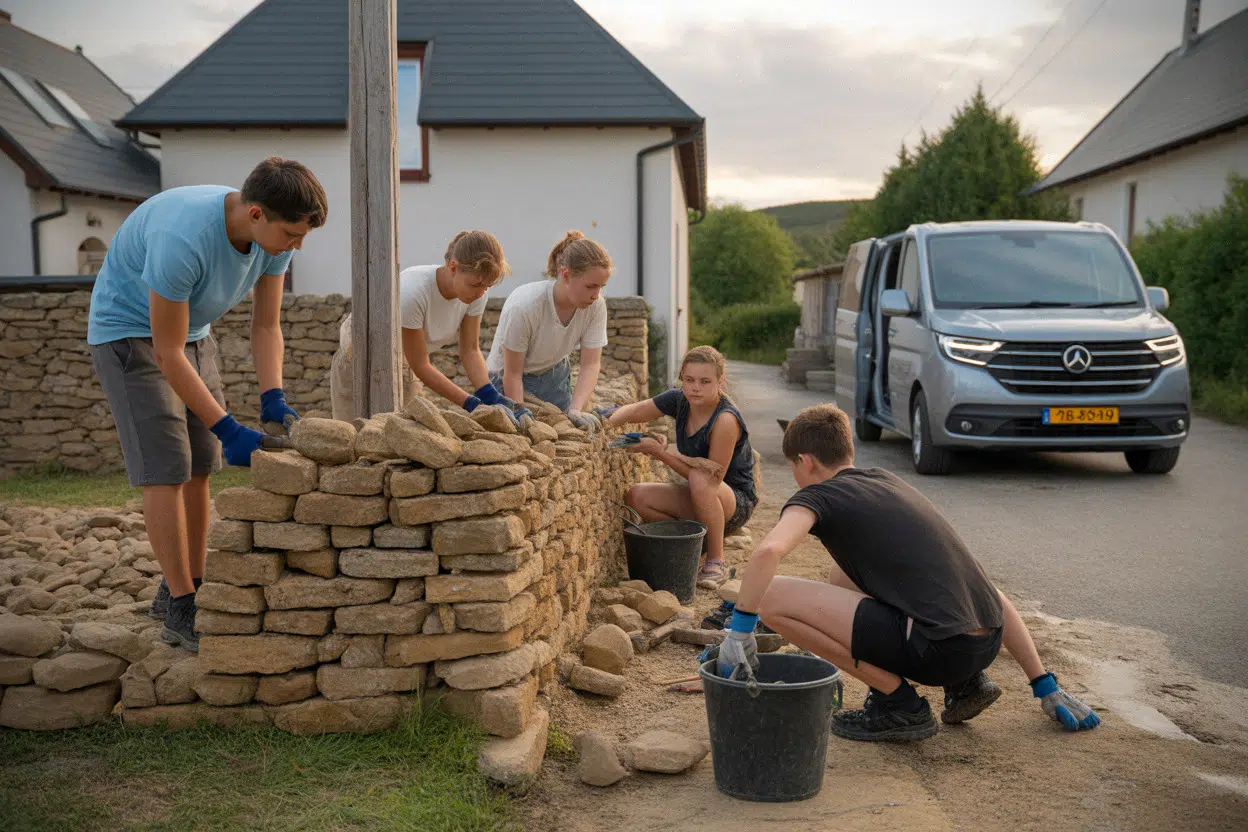
A youth volunteer work camp is scheduled for Aug. 2–16
Another major item on the 2026 calendar: hosting a “chantier de jeunes bénévoles,” a supervised youth volunteer work camp set for Aug. 2 through Aug. 16. The format is well known in France’s heritage world, combining training, communal living, and structured work.
For the village, the benefit is straightforward: a concentrated stretch of consecutive days makes it possible to tackle tasks that would be difficult to complete through scattered half-day volunteer sessions. The association described the camp as a centerpiece of its 2026 program, with planning already underway.
These sessions typically require technical supervision, housing and meal logistics, and tight alignment with preservation goals. For participants, the draw is learning restoration and maintenance techniques in a controlled setting. For the area, welcoming young volunteers can raise the site’s profile and circulate a positive story about civic engagement.
The association also emphasized the intergenerational element—residents and local volunteers working alongside visitors, trading stories about the village and the realities of maintaining older structures. In that sense, the restoration work becomes a form of popular education and a social anchor during the summer.
June 4 event will spotlight heritage trades with Rempart Grand Est and Langres’ Mission locale
The group also plans to take part in a heritage-trades discovery day on June 4, in partnership with Rempart Grand Est and the Mission locale of Langres. (Mission locale offices in France help young people with career guidance and job placement.)
The choice of partners signals the intent: not just to show sites, but to highlight the jobs, skills, and pathways involved in restoration and public interpretation. Rempart, a recognized network known for organizing work camps and promoting traditional know-how, brings structure and methodological support. For a small village association, that kind of partnership can open access to resources, technical advice, and wider networks.
Organizers argue that heritage careers can sometimes seem overly specialized or distant from everyday life. A hands-on discovery day, by contrast, can showcase transferable skills—worksite organization, safety, reading historic structures, teamwork, and understanding materials—while illustrating the range of roles, from stonecutting to cultural mediation.
For Vignory, the June 4 program also fits a larger theme: heritage as a space for experimentation and training, potentially drawing a different audience than standard tours—young people, counselors, and instructors—and building contacts useful for future projects.
Shelves, scaffolding, and a dry-stone wall: the 2026 work calendar
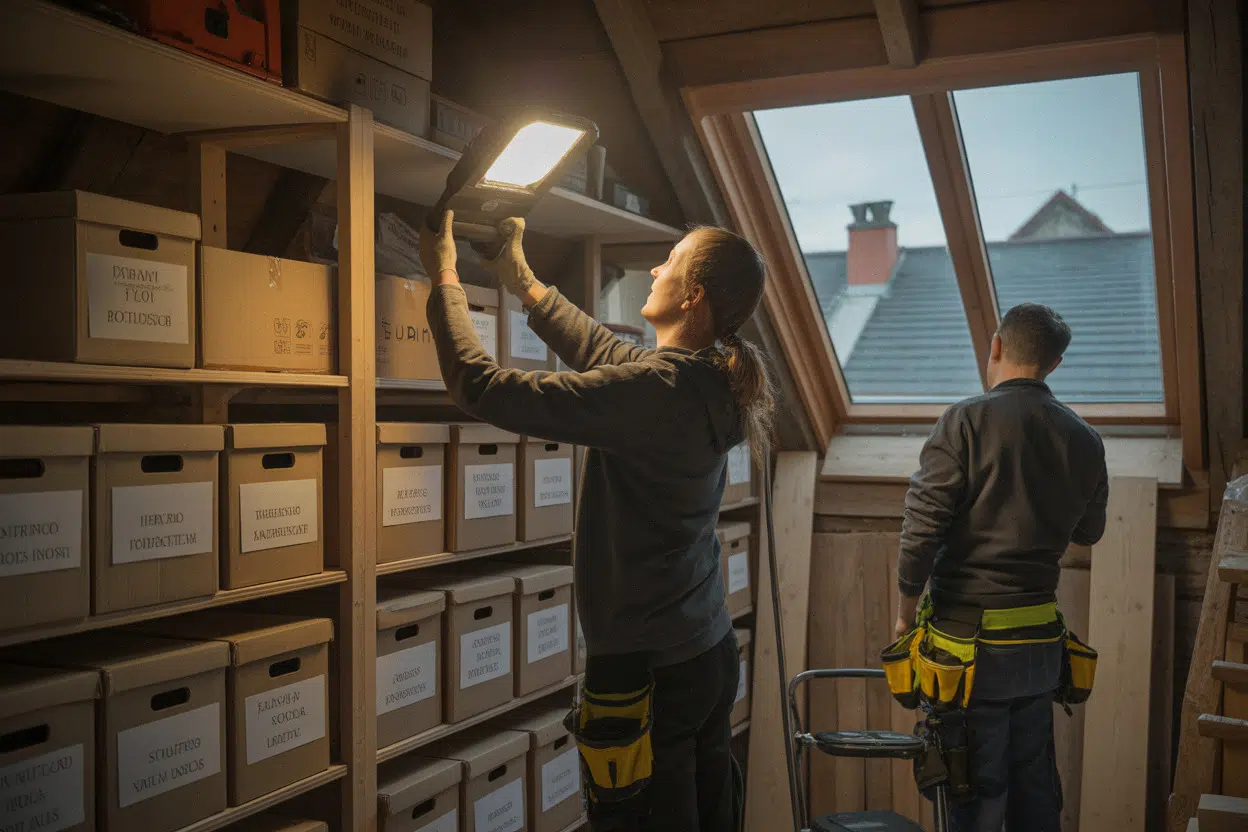
Histoire et patrimoine’s 2026 plan also lists several concrete projects: installing shelves in the attic of its workshop, continuing the assembly of scaffolding, and maintaining a dry-stone wall at the entrance to the village. The mix reflects the day-to-day reality of preservation—storage and organization alongside work visible from public spaces.
Two work sessions are already flagged: May 1, 2, and 3, plus a second set of dates to be determined later in the year. The scheduling reflects volunteer availability as well as technical constraints. Scaffolding requires careful planning and safety checks; dry-stone wall work demands patience—sorting stones, rebuilding courses, and managing water runoff—often with follow-up visits to adjust and reinforce.
The association also sees the village entrance as strategically important. A maintained wall signals care, landscape coherence, and historical continuity before visitors even reach the best-known heritage sites. Dry-stone construction, tied to older techniques, is valued for how it fits the terrain and for its durability.
Meanwhile, the workshop shelving project is about internal capacity. Better storage and organization can reduce losses, improve safety, and make it easier to host work camps, train volunteers, and respond to tour requests—unseen work that can determine whether a small organization can sustain its efforts year after year.
Group tours will continue—and a fundraising subscription is planned for Saint-Étienne church
Beyond the work sites, the association says it will keep welcoming group visits throughout 2026. Those tours are central to passing on local history, providing a structured narrative and opportunities for questions, while raising the village’s profile. Groups—schools, associations, hiking clubs—can bring steadier traffic than individual visitors and may generate modest spillover spending in nearby communities.
The group also said it intends to support a future municipal fundraising subscription through the Fondation du patrimoine (a national heritage foundation that helps structure public fundraising campaigns) for restoration work at Vignory’s Saint-Étienne church. The approach is common in France: a formal subscription broadens the donor base and gives the collection effort a recognized framework, potentially drawing contributions from residents, former residents, visitors attached to the site, and small-scale patrons.
Church restorations often involve major costs—diagnostics and work on roofs, masonry, stained glass, or interior elements. A subscription typically won’t cover everything, but it can help unlock co-funding and make a project easier to understand and support. In Vignory, placing Saint-Étienne on the 2026 horizon links everyday maintenance—trails, walls, workshop organization—to a more ambitious restoration effort that depends on the same fundamentals: mobilization, method, financing, and the ability to persuade people beyond the usual circle of insiders.
À retenir
- In Vignory, the Histoire et patrimoine association is planning a 2026 year focused on hands-on work.
- A volunteer call aims to restore and improve local trails.
- A youth volunteer work camp is scheduled for Aug. 2–16.
- A heritage-trades discovery day is planned for June 4 with Rempart Grand Est and the Mission locale of Langres.
- The association wants to support a fundraising subscription via the Fondation du patrimoine for Saint-Étienne church.
- Une année 2026 bien occupée pour l’association Histoire et patrimoine
- jhm | Patrimoine | Page 2 à 257
- Derrière la sérénité du prieuré de Pommiers, une histoire sombre et sanglante | ICI
- Vieux-la-Romaine : ce village tranquille cache une cité antique oubliée ! – ICI
- Le saviez-vous ? Une terrible histoire se cache derrière cette maison maudite près de Pigalle – Sortiraparis.com
https://www.europe-infos.fr/actualites/9763/acre-2026-la-nouvelle-regle-incontournable-pour-les-createurs-d-entreprise/
Sources
https://www.europe-infos.fr/actualites/9735/au-quebec-lia-bras-droit-des-medecins-gain-de-temps-sur-recherche-et-redaction-les-zones-grises-qui-inquietent-cliniciens-et-patients/
Key Takeaways
- In Vignory, the Histoire et Patrimoine association is planning a 2026 focused on hands-on fieldwork.
- A call for volunteers aims to restore the trails and improve the routes.
- A work camp for young volunteers is scheduled from August 2 to 16.
- A day focused on heritage trades is planned for June 4 with Rempart Grand Est and the Langres local youth employment office.
- The association wants to support a fundraising campaign through the Heritage Foundation for Saint-Étienne Church.
Sources
- Une année 2026 bien occupée pour l’association Histoire et patrimoine
- jhm | Patrimoine | Page 2 à 257
- Derrière la sérénité du prieuré de Pommiers, une histoire sombre et sanglante | ICI
- Vieux-la-Romaine : ce village tranquille cache une cité antique oubliée ! – ICI
- Le saviez-vous ? Une terrible histoire se cache derrière cette maison maudite près de Pigalle – Sortiraparis.com