


In the small village of Vergezac in France’s Haute-Loire department, a local volunteer group is trying to turn a private landmark into a place the public can actually experience. The association Les Amis du Thiolent says its goal is straightforward: keep the Château du Thiolent alive by pairing heritage preservation with cultural events—and by building the organization needed to welcome more visitors.
In a region where many community projects depend on unpaid labor, the group’s recent work has focused on the basics: animating the site, maintaining the grounds, and putting a structure in place that can handle public access safely and consistently. The château sits in a park of about 5 hectares—roughly 12 acres—and the association argues that without steady upkeep, a historic property can deteriorate quickly.
The group’s 2026 plan is presented as a balancing act: more openings to the public, continued maintenance projects, and a push to strengthen the association itself so the effort doesn’t burn out.
Building an organization around a private landmark
The association was launched at the château’s estate with a participation-driven model, aiming to bring together local residents, people connected to the site, and curious visitors around a shared project. The group says that structure isn’t just symbolic—it determines whether volunteers can stage events, manage logistics, communicate effectively, and speak with institutional partners.
In its activity report, Les Amis du Thiolent points to visible steps: meetings, internal organization, volunteer recruitment, and participation in local community gatherings. Holding general assemblies—like those referenced in publications tied to the château—serves as a practical checkpoint, helping the group track decisions, assign roles, and maintain continuity over multiple seasons.
The association also positions itself as a bridge between the château and the village. Even as a private property, the château remains a shared reference point locally. The group says its priority is to make the site’s history easier to access through simple formats—guided visits, small-scale events, and regular information shared on social media and through local channels.
That growth comes with constraints: clear responsibilities, insurance, public safety, and limits on capacity. The volunteers emphasize realism—moving step by step, without promising immediate transformation—while acknowledging that volunteer labor is essential but fragile if the same small group is asked to do everything.
https://www.europe-infos.fr/actualites/10079/soirees-du-patrimoine-a-la-chapelle-bertrand-securite-renforcee-avant-le-rendez-vous-du-25-juillet/
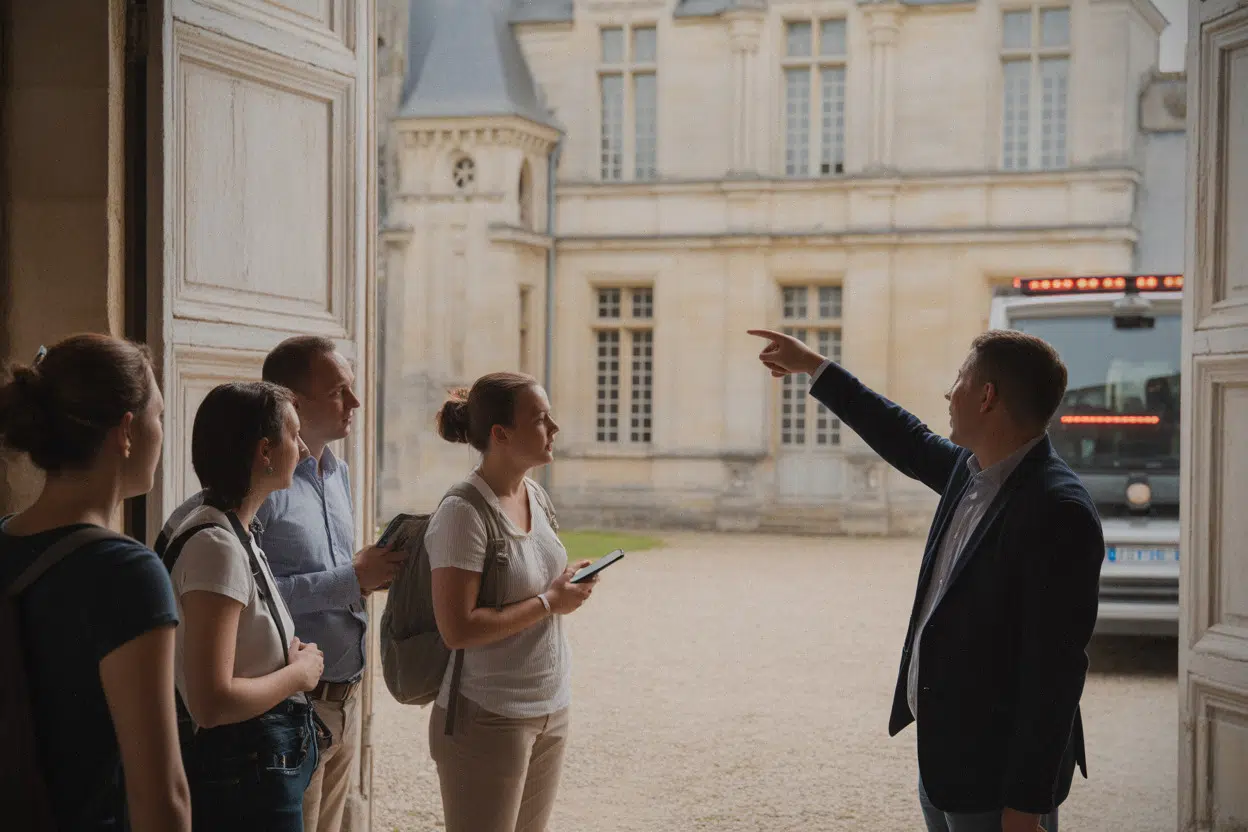
2026 focus: guided tours and small cultural events
The 2026 program is designed around controlled attendance rather than mass tourism. Les Amis du Thiolent says it wants to increase opportunities to open the château and its park, favoring formats that fit the property: guided tours, cultural meetups, themed days, and family-friendly activities.
The group’s aim is twofold—build local attachment while also drawing passersby, especially in summer, when rural tourism typically increases in Haute-Loire. In projects like this, cultural events serve multiple purposes: they provide a clear reason to open the gates, place the site on local calendars, and generate visibility through photos, articles, and word of mouth.
Volunteers also stress the heritage side of the visits: telling the story of the site, explaining its architectural evolution, and showing accessible areas without putting fragile sections at risk. The château has been altered over time—expanded, reworked for receptions, with changes such as new salons and additional windows. The association argues that a documented narrative can turn a simple walk into a more meaningful visit, giving people context about dates, uses, and the building itself.
For 2026, the group says it wants culture and heritage to reinforce each other rather than sit side by side. A concert or reading, for example, can take on more meaning when paired with an explanation of the site, a short route through the grounds, a focus on part of the park, or an update on ongoing maintenance work. The association says success will depend on early communication, a stable calendar, and coordinating public access with the site’s constraints.
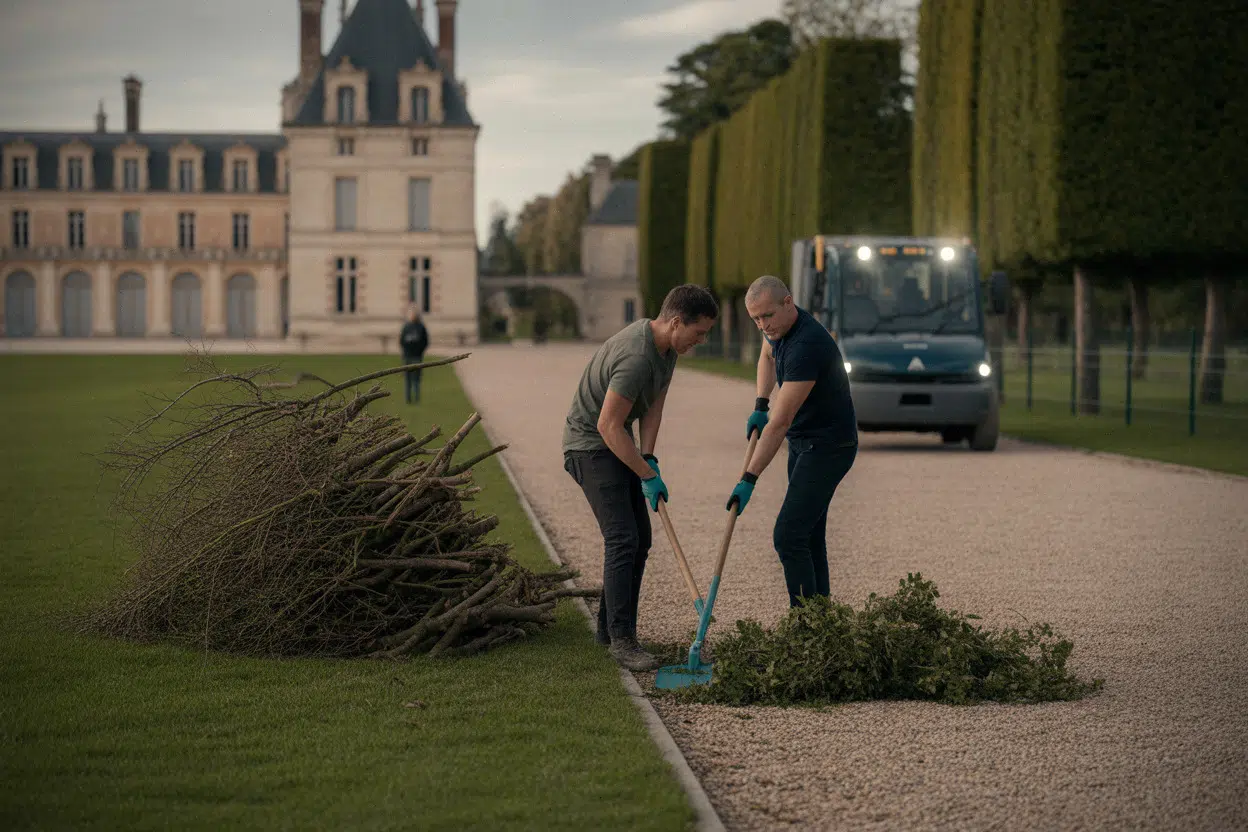
A 12-acre park means constant work—and constant safety concerns
Maintaining the estate is the most tangible—and often the most expensive—part of the project. A park of about 5 hectares, or roughly 12 acres, requires repeated interventions: clearing paths, managing vegetation, securing sensitive areas, and maintaining access points. The association notes that visitors first judge what surrounds a château—walkways, lawns, trees, low walls—and neglected grounds can signal decline even if the building itself still stands.
Some tasks are straightforward—cleanup, brush clearing, basic repairs—but others require special caution, including aging trees, slippery areas, cutting equipment, and vehicle movement. For a volunteer association, safety becomes an organizational challenge involving schedules, appropriate tools, supervision, and clear rules—conditions that ultimately determine whether the site can open to the public.
The park also shapes the visitor experience. A marked path, maintained shade, a cleared viewpoint, or a resting area can make a visit worthwhile even without full access to the interior. The association suggests the grounds can serve as a first layer of discovery, with interior visits offered more selectively—an approach that allows public access without exposing areas that may need heavier work.
Funding remains an underlying issue. Even when labor is donated, the group still needs equipment, fuel, and sometimes professional services, plus a way to handle green waste. The association can rely on donations or modest event revenue, but it acknowledges that if ambitions grow, it may need to seek local partnerships, nearby sponsorship, or targeted assistance. For 2026, the stated priority is to consolidate what already exists and avoid spreading volunteers too thin.
Wind turbine debate highlights the pressures around the site
The château has also been tied to local land-use tensions. A proposal to install several wind turbines about 1.3 kilometers away—roughly 0.8 miles—prompted public opposition from the property’s owner, according to locally reported information cited in the article.
Les Amis du Thiolent does not present itself as an advocacy or pressure group, but the association acknowledges that a château doesn’t exist in isolation. The surrounding landscape contributes to the site’s appeal, and infrastructure decisions can change the visual and sound environment. In rural France, energy infrastructure projects regularly spark debate, and the Thiolent case reflects the recurring challenge of balancing the energy transition, local benefits, and preservation of places considered sensitive.
That context helps explain the group’s cautious tone. The association emphasizes concrete work—maintenance, tours, and cultural programming—over broad political positioning. Still, it recognizes that once a site opens to the public, questions about the surrounding landscape and nearby projects can quickly surface with residents, elected officials, and visitors, requiring the group to stick to factual information and refer broader debates to the relevant authorities.
For 2026, the association’s central goal is to keep a clear line: increase visitation without fueling controversy, while strengthening the château’s image as a place to visit and gather—so long as the calendar holds, the site remains safe, and relationships with the surrounding community stay steady.
Key takeaways
- Les Amis du Thiolent says it is strengthening its organization to open the site more regularly.
- The 2026 plan prioritizes guided tours, cultural activities, and family-friendly programming.
- Maintaining the roughly 12-acre park requires ongoing volunteer labor and careful safety planning.
- Local context—including past debate over wind turbines near the site—adds pressure to the château’s long-term balance.
Sources
Key Takeaways
- Les Amis du Thiolent are strengthening their organization to open the site more regularly.
- The 2026 schedule will focus on tours, cultural events, and family-friendly activities.
- Maintaining the roughly 5-hectare park requires ongoing volunteer work.
- The local context, including debates over wind power, is affecting the balance around the castle.