

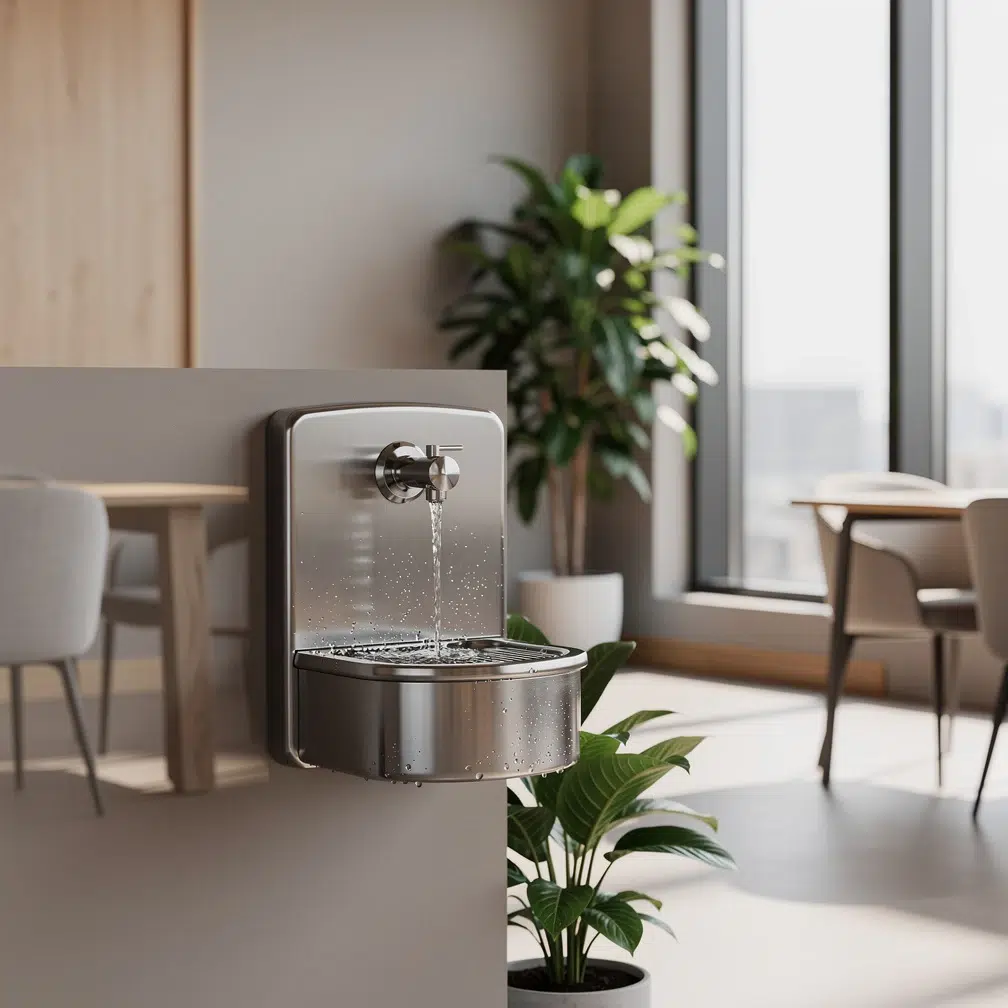
Companies looking for an easy win on workplace wellness and sustainability are increasingly turning to a surprisingly simple upgrade: a professional water dispenser.
Plumbed into a building’s tap water and paired with modern filtration, these systems can reduce reliance on bottled water, trim recurring supply costs, and make it easier for employees to stay hydrated throughout the day, an everyday factor tied to focus, fatigue, and comfort at work.
A low-drama sustainability move: less plastic, fewer deliveries
The biggest environmental payoff comes from “point-of-use” dispensers connected directly to municipal water. Instead of pallets of single-use bottles, or those bulky 5-gallon jugs common in some U.S. offices, employees fill reusable bottles and cups on demand.
That shift can sharply cut plastic waste and the emissions tied to manufacturing and transporting bottled water. For employers trying to show progress on ESG goals (the corporate framework for environmental, social, and governance commitments), it’s a visible change employees actually interact with every day.
The money angle: stop paying for bottled water logistics
Beyond the sustainability pitch, the economics are straightforward. When an office stops routinely buying bottled water, it also reduces the hidden costs that come with it: ordering, deliveries, storage space, and the time staff spend managing supplies.
Vendors typically offer either purchase or rental plans, often bundled with service. In U.S. terms, that’s similar to leasing an office copier: a predictable monthly cost that can include maintenance, cleaning, and filter replacement.
- Fewer recurring deliveriesof bottled water
- Less storageneeded for cases or jugs
- Less packaging wasteto handle
- Unlimited accessto filtered water year-round
Hydration and workplace performance: small habit, real impact
Easy access matters. When water is visible and convenient, near open-plan desks, conference rooms, or production floors, people tend to drink more regularly.
Employers frame that as a health-and-safety issue as much as a perk: better hydration is associated with improved attention and reduced fatigue. And in workplaces where heat, physical labor, or long shifts are common, reliable access to clean drinking water is a baseline expectation.
Reported workplace benefits often include steadier hydration, consistent water quality, and a more comfortable office environment, factors that can support morale and reduce minor productivity dips tied to dehydration.
How to choose the right office water dispenser
The best setup depends on the workplace. Decision-makers typically start with basics: how many people will use it, how much water the office goes through, and where the unit can fit without creating bottlenecks.
Then come the feature choices, chilled vs. room temperature, and whether sparkling water is worth the added complexity. The biggest fork in the road is the water source: a bottle-fed unit (simpler to install, but requires ongoing jug changes) versus a plumbed-in unit (more seamless day to day, if a water line is available).
Filtration, maintenance, and what “set it and forget it” really means
Water quality is where the details matter. Many commercial systems use multi-stage filtration, often including activated carbon, UV treatment, or high-performance membranes, designed to improve taste and reduce contaminants.
Maintenance is the other make-or-break factor. Rental contracts frequently include scheduled service, sanitation, and filter changes, which helps ensure the dispenser stays safe and reliable. Companies shopping for a provider typically compare response times for repairs, what’s included in service, and whether replacement parts are readily available.
For employers, the broader implication is clear: as offices rethink perks and benefits, the most effective upgrades may be the ones that quietly improve daily life, cutting waste, reducing friction, and supporting healthier routines without asking employees to change much at all.