


CARSAN, France — A volunteer heritage group in the rural village of Carsan is launching a new round of preservation work focused on practical fixes—starting with the local church and small roadside religious monuments—while building a detailed, shareable inventory meant to steer the town’s decisions in 2026.
At its July 7 general assembly at the village’s multipurpose hall, the association Sauvegarde du patrimoine de Carsan laid out a simple method: document what exists, rank what’s at risk, then line up funding. The group argued that in small French communes—where mayors juggle building safety, energy-efficiency demands and tight budgets—heritage isn’t only about major landmarks, but also the everyday features that shape the landscape: stone crosses, low walls, fountains and commemorative plaques.
The 2026 timeline the group described hinges on diagnostics, grant applications and local mobilization, with a goal of avoiding late-stage restorations that become far more expensive—and of creating better records to guide municipal choices.
A push to build a usable heritage inventory for the town
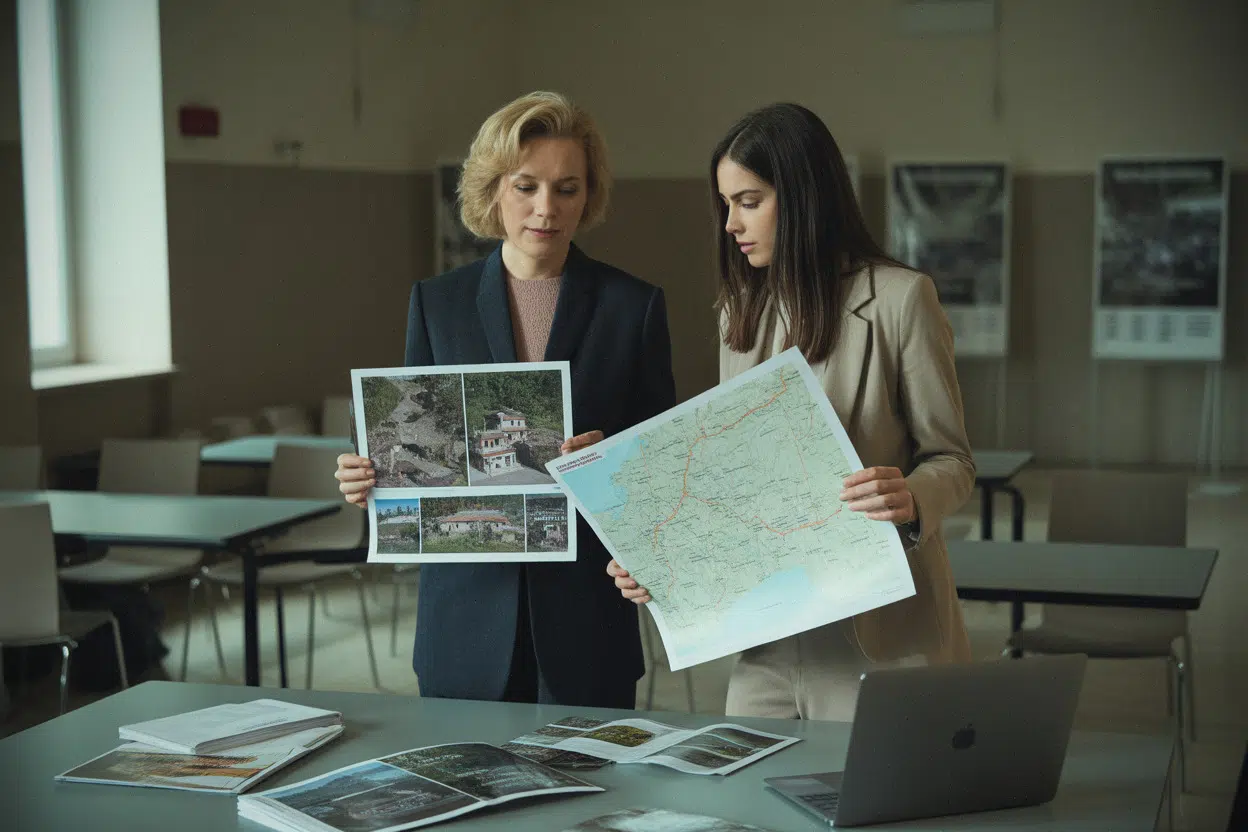
The first “project,” the association said, is knowledge: turning scattered observations into a tool the municipality can actually use. The group wants a shared, regularly updated inventory that identifies historically or visually significant sites, notes their condition, and sorts them into clear categories—urgent, medium-term, or routine monitoring.
In small villages, that kind of documentation can make or break a funding request. The volunteers said a solid file—precise descriptions, dated photos, a rundown of damage and an initial estimate of the work—can speed up applications for public aid.
The method relies on regular field checks and keeping documentation in one place: plans, local archives, residents’ testimony and photographic surveys. The group wants to classify items by type—religious buildings, small rural heritage, water-related heritage and commemorative elements—and track what has already been repaired.
Comparable towns, the association noted, have found that a well-maintained inventory reduces unpleasant surprises—loose stones, untreated water infiltration, crumbling plaster—because early warning signs get recorded sooner and flagged to the mayor’s office.
The inventory is also framed as a budget tool. By planning work in phases, the town can spread costs over time and coordinate heritage repairs with other projects such as road resurfacing, burying utility lines, or public lighting work. The association also emphasized documenting the causes of deterioration—runoff, vegetation, impacts, temperature swings—so repairs remain compatible with traditional materials.
Residents are central to the effort, the volunteers said, through collecting old photos, spotting details and reporting damage after storms. Elected officials often see that as a time-saver, as long as communication stays structured. In Carsan, the goal is a stable local database with readable priorities to make it easier to arbitrate the most sensitive projects and prepare funding requests.
The group stressed that the inventory is not just a snapshot. It should include decision-ready elements: approximate cost, risks and expected benefits—whether that’s safety, protection from water, or keeping a site usable.
https://www.europe-infos.fr/actualites/9699/plus-de-60-etudes-a-rochechouart-en-haute-vienne-vieilles-pierres-et-patrimoine-fouille-archives-et-recits-ce-qui-surprend-encore/
Church and roadside monuments targeted to prevent emergency repairs
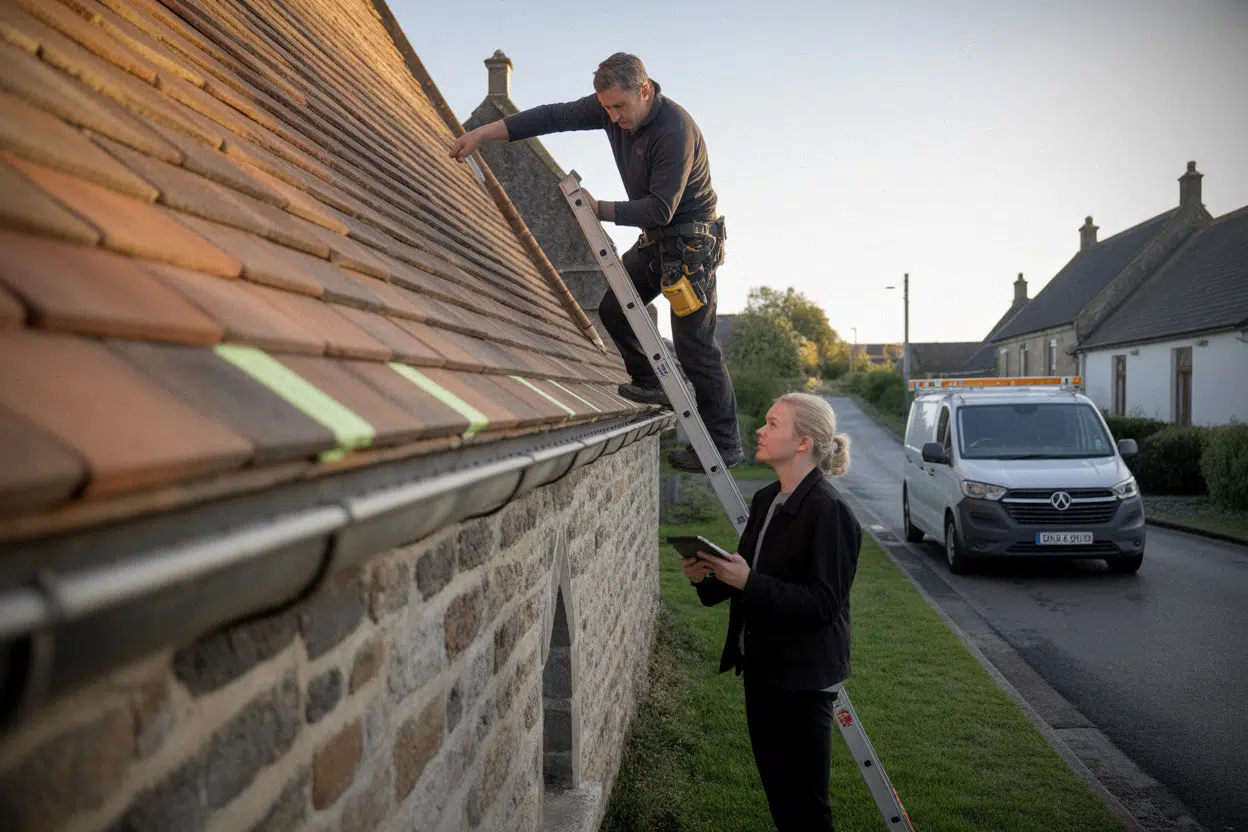
Discussion at the general assembly focused on targeted interventions—especially where deterioration could accelerate quickly. The village church was among the key topics, with the group urging a cautious approach: start with a diagnostic, then schedule work that matches the existing materials.
Small communes often face recurring problems in older buildings—water infiltration, worn joints, weakened roof elements, eroded stone. The strategy presented in Carsan is to act early to avoid heavy restorations, which the volunteers warned can double in cost within a few years if water continues to get in.
Beyond major buildings, the association highlighted “small heritage,” especially crosses and calvaries, which are exposed to erosion, vegetation and impacts. In many villages, these features don’t receive regular technical monitoring even though they sit along roads or near foot traffic. The group said light work—careful cleaning, repointing joints, stabilizing a base—can prevent falling stone or irreversible damage.
Volunteers also emphasized choosing companies and craftspeople familiar with local stone, to avoid overly hard repairs or incompatible mortars.
Safety came up repeatedly. An unstable stone or decorative element at risk of falling can force a town to install temporary protections—barriers, caution tape, even traffic restrictions. Those measures protect the public, but can linger when budgets are tight and can affect how a site is perceived. The Carsan plan favors modest but fast repairs when technically justified, while leaving room for more complete restoration later if needed.
The group said priorities must be separated into what counts as routine maintenance, what requires a study, and what can be done in phases. Its 2026 calendar follows that logic: no promises of a major project without funding, but step-by-step progress—diagnostic, estimate, then work once aid is secured.
Visible progress matters locally, the association argued. Even limited restoration can sustain community buy-in, attract new volunteers and make it easier to seek donations. Carsan’s group wants each intervention to feed back into the inventory—date, cost, company and results—to better prepare the next steps.
Grants, philanthropy and technical support shape the 2026 funding plan
Money remains the central challenge. The association said restoration of municipal heritage in Carsan is rarely possible through local funds alone; projects typically blend public grants, private philanthropy, donations and sometimes technical support.
For a commune, the ability to submit a complete application can determine access to certain funding pools. Required materials often include technical documents: detailed bids, diagnostics, photos and a heritage description. That’s why the inventory is presented not only as a cultural tool, but as a financial one.
The local debate also reflects a broader trend in France, where national and regional programs increasingly steer investment toward structured projects. The program “Réinventer le Patrimoine,” backed in part by Atout France (France’s tourism development agency) and the ANCT (the National Agency for Territorial Cohesion), was cited as an example: it provides engineering support to help develop reuse or heritage-valorization projects.
Carsan is not explicitly listed among selected projects, but the association said the existence of such programs influences local methods—encouraging project leaders to present potential uses, an economic model and a phased work plan rather than a one-off restoration.
The Château de Paley, mentioned in the program’s communications, was cited as an illustration of how a heritage site can be supported through a cultural and tourism project and receive feasibility assistance. For small communes, the association said, the equivalent is often more modest—an occasional guided visit, opening during France’s heritage days, or a discovery trail—without promising large crowds. The underlying idea remains the same: connect restoration to use.
On the municipal side, stacking funding sources requires tight calendar management. Some grants come with completion deadlines; others require a minimum local share. Local associations can act as facilitators through fundraising, events and network mobilization, while elected officials must ensure compliance—public procurement rules, insurance, any required authorizations for protected monuments, and contractor oversight.
In 2026, the association said, energy-transition arguments are increasingly folded into heritage files. The challenge is improving comfort and reducing operating costs without altering historic character—often requiring specialized expertise. That constraint can open funding lines, but it also forces technical choices about ventilation, moisture treatment, materials and how buildings are used.
Energy efficiency meets old stone: technical tradeoffs for town halls
Municipal councils are increasingly discussing heritage alongside energy performance and public safety. A 2026 meeting reported in another commune on “energy transition” and “municipal heritage” reflects a shared reality: town halls are trying to extend the life of older buildings while controlling operating costs.
In historic structures, the article notes, a common mistake is applying standard solutions—unsuitable insulation, insufficient ventilation, overly airtight materials—that can worsen humidity and speed up wall deterioration.
In Carsan, the association’s monitoring is meant to inform those tradeoffs. Regular follow-up can help distinguish age-related issues from damage triggered by recent changes—new windows, sealed openings, or intermittent heating. The preferred fixes in heritage buildings are often less dramatic but effective: managing rainwater, repairing roofs, drainage, breathable joint work and maintaining surrounding areas.
The town also has to consider how buildings are used. A church opened only occasionally isn’t managed like a building heated daily. Heating, lighting and ventilation choices directly affect woodwork, plaster and decorative elements. Energy savings are possible, but they require a whole-building approach—avoiding thermal shocks, limiting cold spots and monitoring humidity—considerations once reserved for major monuments that are now filtering into small-town projects.
Infrastructure work tied to environmental goals can also intersect with heritage. The article points to sewer or network reinforcement projects elsewhere—such as work reported on the Quai de Bosc in Sète aimed at protecting the Thau lagoon—as reminders that modern infrastructure often runs through historic spaces. Carsan isn’t directly affected by that project, but the logic is similar: coordinate interventions to limit impacts from vibration, heavy equipment traffic and ground disturbance.
Overall, the trend is pushing communes toward more cross-cutting governance—technical services, elected officials, associations and sometimes heritage architects. In Carsan, the association said it aims to remain a watchdog and a source of proposals, while leaving final decisions to the mayor’s office—an arrangement often necessary when preservation, safety and energy costs collide.
https://www.europe-infos.fr/actualites/9655/13-juillet-2026-musk-veut-mesurer-leconomie-en-energie-spacex-scrute-le-solaire-orbital-et-lipo-ce-qui-intrigue-les-marches/
Key Takeaways
- In Carsan, the heritage association wants a shared, prioritized inventory of sites.
- The church and small-scale heritage assets are receiving targeted interventions to reduce urgent needs.
- Grant applications are based on assessments, cost estimates, and a work schedule.
- Engineering support programs like Reinventing Heritage are shaping local practices.
- The energy transition requires technical trade-offs specific to older buildings.