

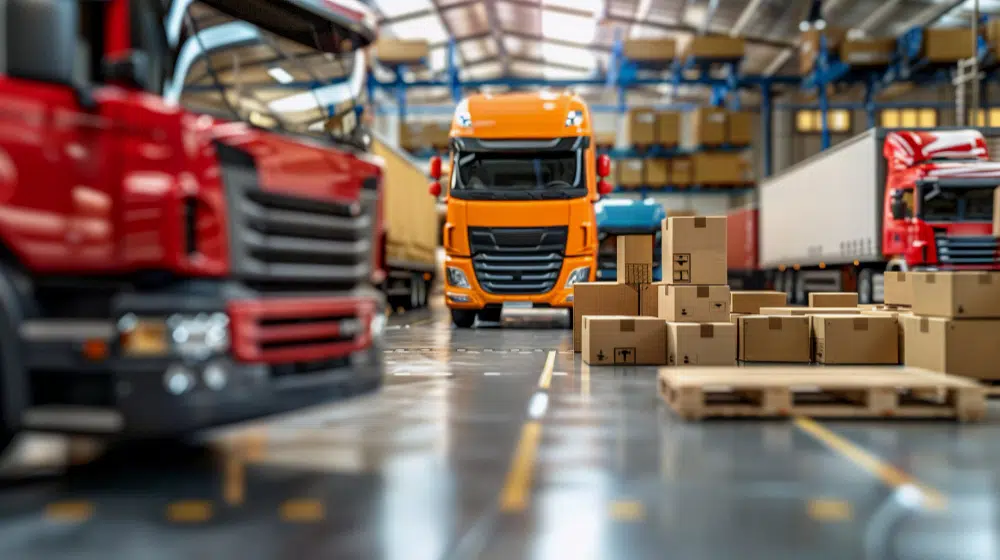
Logistics and transportation today is far more than moving boxes from Point A to Point B. Behind every on-time delivery, high-performing warehouse, and smooth supply chain is a wide range of workers with complementary skills—spanning hands-on floor roles to strategic planning jobs.
As e-commerce expands, international trade accelerates, and freight operations go digital, employers are hiring for a broad mix of profiles. For workers, the field offers a front-row seat in an essential part of the economy, with career paths that can open up quickly.
The core jobs that keep logistics moving
Transportation and logistics roles cover the full set of operations required to move, store, and distribute goods.
Among the main jobs:
Truck driver: transports goods while meeting deadlines and complying with regulations and safety requirements.
Order picker: gathers, checks, and packages products before they ship.
Forklift operator: uses material-handling equipment to move pallets and optimize storage.
Transportation operations agent: plans routes, coordinates drivers, and manages disruptions.
Warehouse manager: supervises teams, oversees inventory, and ensures operational performance.
Supply chain coordinator: synchronizes the links in the logistics chain to improve timelines, costs, and service quality.
These roles work in constant coordination. Efficient order picking only matters if transportation is properly organized and information flows without interruption.
The skills employers want now

Digital know-how has become non-negotiable. Warehouse management systems (WMS), transportation management systems (TMS), and traceability tools are now part of everyday work across the sector.
Employers are also looking for human strengths: organization, responsiveness, rigor, and the ability to work as part of a team. In an environment where deadlines are often tight, being able to anticipate disruptions is a real advantage.
To better understand how major international players organize their operations—and the range of jobs inside their teams—the article points readers to CEVA Logistics, whose day-to-day work illustrates the diversity of expertise involved.
Career growth is built into the sector
Logistics can offer especially upwardly mobile career tracks. An order picker can become a team lead, then move into operations management after a few years of experience and the right training. Similarly, a transportation operations worker can progress into fleet management, logistics leadership, or project management roles.
Companies are also investing in skills development, particularly around automation, data analysis, and environmental challenges.
Read: Logistics optimization and green fleets: the keys to sustainable transportation
Why logistics keeps hiring
Rising trade flows, the growth of online shopping, and new expectations for fast delivery are driving steady recruiting needs. Employers are looking for both entry-level workers and specialists who can optimize costs while reducing environmental impact.
Jobs are also changing as warehouses adopt robotics, artificial intelligence, and new regulations. That shift isn’t eliminating work, the article argues—it’s pushing roles toward broader versatility and more technical skills.
How to choose the right logistics job for you
The best fit depends on what you want day to day. People who like hands-on work often gravitate toward driving, material handling, or warehouse operations. Those drawn to organization and coordination may prefer dispatch, planning, or supply chain roles.
Before committing, the article recommends observing how a logistics platform operates, talking with professionals, or doing an immersion period. That approach can help clarify what the job is really like—and the many ways a career can evolve.
Conclusion
Transportation and logistics now brings together essential, varied jobs that keep evolving, in a sector where human skills remain as important as technological innovation.
As supply chains become more complex and more responsible, professionals who can combine organization, adaptability, and expertise will continue to hold a strategic place in the economy.
Read: 2026 road freight trends
Frequently asked questions
What is transportation logistics?
Transportation logistics includes all operations tied to moving, storing, and distributing goods. It coordinates physical flows and the information needed to deliver the right product, to the right place, at the right time.
Which logistics jobs are hiring the most?
Truck drivers, order pickers, forklift operators, transportation operations staff, and warehouse managers are among the most in-demand profiles. The article notes that hiring needs remain strong across most regions of France.
Do you need a degree to work in transportation logistics?
Not always. Some positions are accessible with short training or a professional certification, while management and supply chain roles generally require a higher-level degree and progressively built experience.