

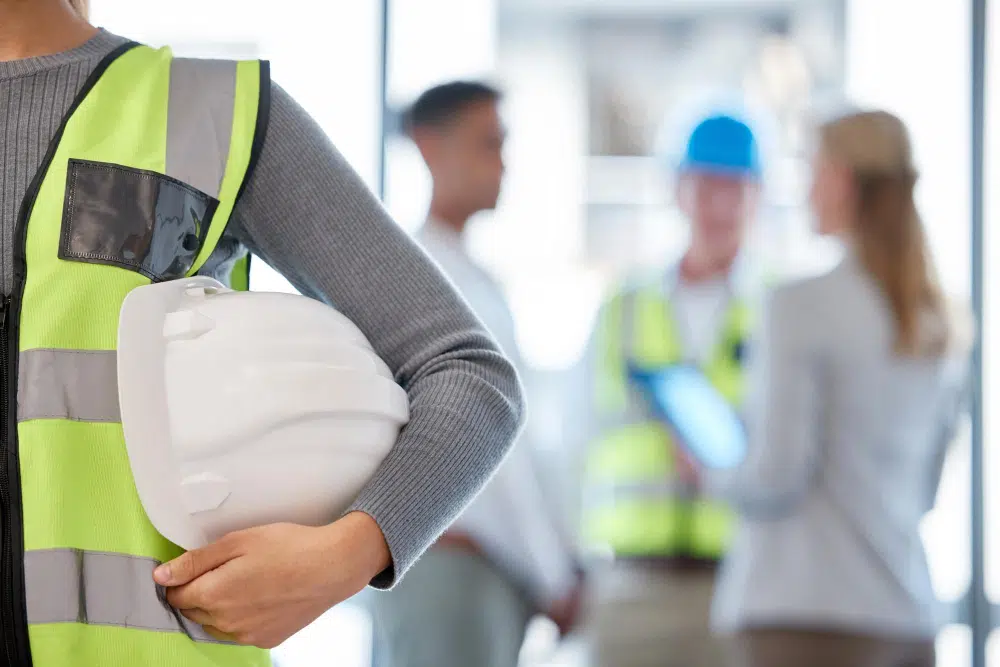
Across Europe, employers are tightening the screws on workplace safety, rolling out tougher rules, better protective gear, and more training to cut accidents on factory floors, in warehouses, and on construction sites.
The shift isn’t limited to industrial giants. Small and mid-sized businesses are also spending more on everyday protections, pushed by stricter European regulations and by workers who increasingly weigh safety and working conditions when choosing a job.
Safety rules are spreading across every industry
European workplace regulations require regular inspections and equipment that meets specific safety standards. That means companies must formally assess risks tied to each job and provide protections that match the hazards, whether that’s heavy machinery, vehicle traffic in logistics hubs, or high-risk work at construction sites.
For American readers, think of it as a broad, continent-wide push that echoes OSHA-style expectations in the U.S., but often with more uniform requirements across multiple countries under the European Union’s regulatory umbrella.
Protective workwear is no longer optional
In warehouses, workshops, and job sites, technical workwear has become standard issue. It’s designed to shield workers from cold, rain, flying debris, chemical splashes, and mechanical risks, while also staying wearable for long shifts.
Companies are increasingly buying specialized lines of durable work clothing to outfit crews with gear that holds up over time. The message is simple: if the equipment is uncomfortable or flimsy, workers are less likely to use it correctly, and injuries become more likely.
Prevention moves to the center of the playbook
Employers aren’t stopping at handing out helmets, gloves, and high-visibility clothing. Many are expanding prevention programs aimed at reducing incidents before they happen, with more frequent safety trainings that reach every level of the organization.
New hires often go through dedicated safety onboarding. Veteran employees get regular refreshers meant to break bad habits that can creep in over time, especially in fast-paced environments like logistics and maintenance.
Some companies are also running internal audits to spot dangerous situations early, then fix problems quickly by adjusting workflows, equipment, or site organization.
Comfort is becoming a safety issue
For decades, protective equipment was judged mostly by toughness. Now manufacturers and employers are putting more emphasis on comfort and mobility, because gear that pinches, overheats, or restricts movement tends to end up ignored.
Breathable fabrics, lighter materials, and more practical cuts can make a real difference for workers who spend entire shifts in professional clothing. Employers have learned that when workers feel comfortable, they’re more likely to follow safety rules consistently.
Connected tech is changing how hazards get flagged
Technology is also reshaping workplace safety across Europe. Some employers are deploying sensors, mobile apps, and connected tools to monitor working conditions and track potential risks in real time.
In certain industrial settings, systems can quickly flag hazards or detect anomalies, allowing supervisors to respond faster and reduce the chance of serious incidents.
Digital platforms are also streamlining the administrative side, tracking who completed required training, who received which equipment, and when protective gear needs to be replaced.
Workers, and customers, are watching
European workers are paying closer attention to safety and working conditions when they pick an employer, especially younger employees. A strong safety culture is increasingly part of a company’s recruiting pitch.
Customers and business partners are watching, too. Companies that cut corners on safety can lose credibility quickly, while those with serious policies often strengthen their reputation.
The result is a long-term investment cycle: more prevention, better equipment, and smarter monitoring, turning workplace safety into a daily operational priority, not a box-checking exercise.