

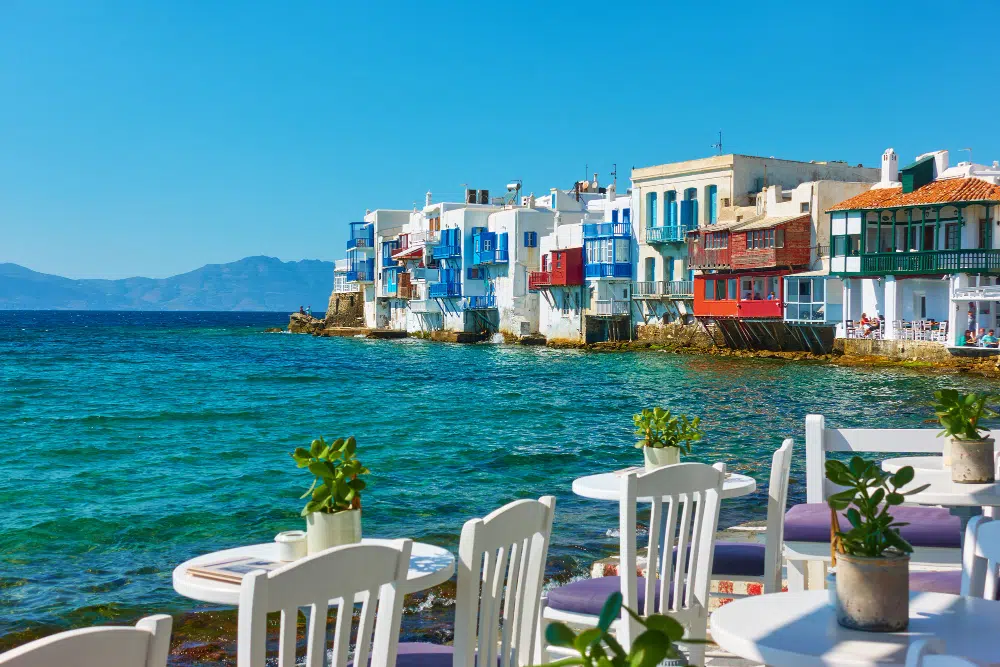
Greece is pitching retirees a simple deal: pay a flat 7% tax on foreign income, live under Mediterranean sunshine, and stretch your retirement dollars further than in much of Western Europe.
The program, aimed at foreign retirees who move their tax residency to Greece, has helped turn the country into a magnet for Europeans looking to escape higher taxes and higher prices back home. With housing still relatively affordable in many areas and a lifestyle built around beaches, history, and long dinners, Greece is increasingly being framed as a top-tier retirement destination heading into 2026.
For Americans weighing a move abroad, the headline numbers are hard to ignore, even if the fine print, health care access, and bureaucracy can complicate the dream.
A 7% flat tax for 15 years, if you actually move there
Since 2020, Greece has offered a special tax regime for retirees who relocate their tax residency to the country. The core perk: a flat 7% tax on foreign-sourced income, think private pensions, dividends, interest, and rental income earned outside Greece, for up to 15 years.
To qualify, retirees generally must not have been a Greek tax resident for five of the previous six years, must come from a country with a tax treaty with Greece, and must spend more than 183 days a year in Greece. Applications must be filed by March 31 for the relevant tax year.
In the French example cited in the original report, a retiree receiving €1,800 a month would owe €126 in monthly tax under the 7% rate. Converted, that’s roughly a $2,050 monthly pension and about $145 in monthly tax (using an approximate €1 = $1.14 rate). Greece’s standard progressive income tax rates can climb as high as 44%, making the flat option especially attractive for higher-income retirees.
Lower day-to-day costs, and a retirement budget that goes further
Beyond taxes, the bigger draw is purchasing power. The report estimates Greece’s cost of living runs about 25% to 35% lower than France, depending on the region. It puts a comfortable monthly budget for a retired couple at €1,200 to €1,500 all-in, about $1,370 to $1,710.
Typical monthly expenses in the article include a three-bedroom apartment rental in the €300–€500 range (about $340–$570), utilities and internet around €150–€180 (about $170–$205), and groceries around €350–€450 (about $400–$515). Actual costs vary widely by island, season, and proximity to tourist hot spots.
Real estate is part of the appeal. The article says stone homes on Crete start around €150,000, roughly $171,000. Property transfer taxes are cited at about 3%, and Greece has suspended VAT on new builds through the end of 2026, a policy designed to keep new-home purchases more attractive. Prices are rising in popular areas, but many markets remain cheaper than comparable coastal destinations in Spain, Italy, or southern France.
Where retirees are settling: Crete, Athens, and beyond
Different parts of Greece offer very different retirement experiences, and trade-offs.
Crete is described as a favorite thanks to its mild microclimate, food culture, and established expat communities. The Peloponnese is pitched as more “authentic,” with rugged landscapes and a housing market that’s been gaining momentum.
Athens offers the biggest-city package: museums, nightlife, and, crucially, some of the country’s strongest hospitals and specialist care. The Cyclades deliver the postcard-perfect island life, but at a higher price point and with more limited medical access during the winter months when services can thin out.
For retirees who need regular care, the article advises sticking to larger islands or the mainland, where modern clinics are more common and continuity of care is easier to maintain. Greece’s public health system is generally functional, though wait times can be long for certain specialties.
The catch: language barriers, heat, rising home prices, and red tape
Moving abroad isn’t a vibe, it’s paperwork. The report flags language as a major hurdle: English is common in tourist areas, but Greek dominates in government offices. Many retirees hire bilingual legal or tax help to navigate residency, property purchases, and filings.
Then there’s the weather. Summer highs of 35°C to 40°C, about 95°F to 104°F, in July and August can be punishing, especially for older residents. Some retirees reportedly treat Greece as a three-season home, spending the hottest stretch elsewhere.
Housing costs are also climbing. The article cites roughly 9% annual price growth since 2024, suggesting buyers may face a narrowing window in the most sought-after areas.
And bureaucracy can test anyone’s patience. The report warns that timelines can drag, requirements can shift, and persistence matters. For retirees who plan ahead, and budget for professional help, Greece can be more than a vacation fantasy. It can be a long-term financial strategy wrapped in sea views and ancient stone.